admin2026-08-14
I. Fundamental Differences in Principle Definition of common anode: The positive terminals of all red, green, and blue LED chips are connected together and tied to a single positive voltage (usua...
admin2026-08-12
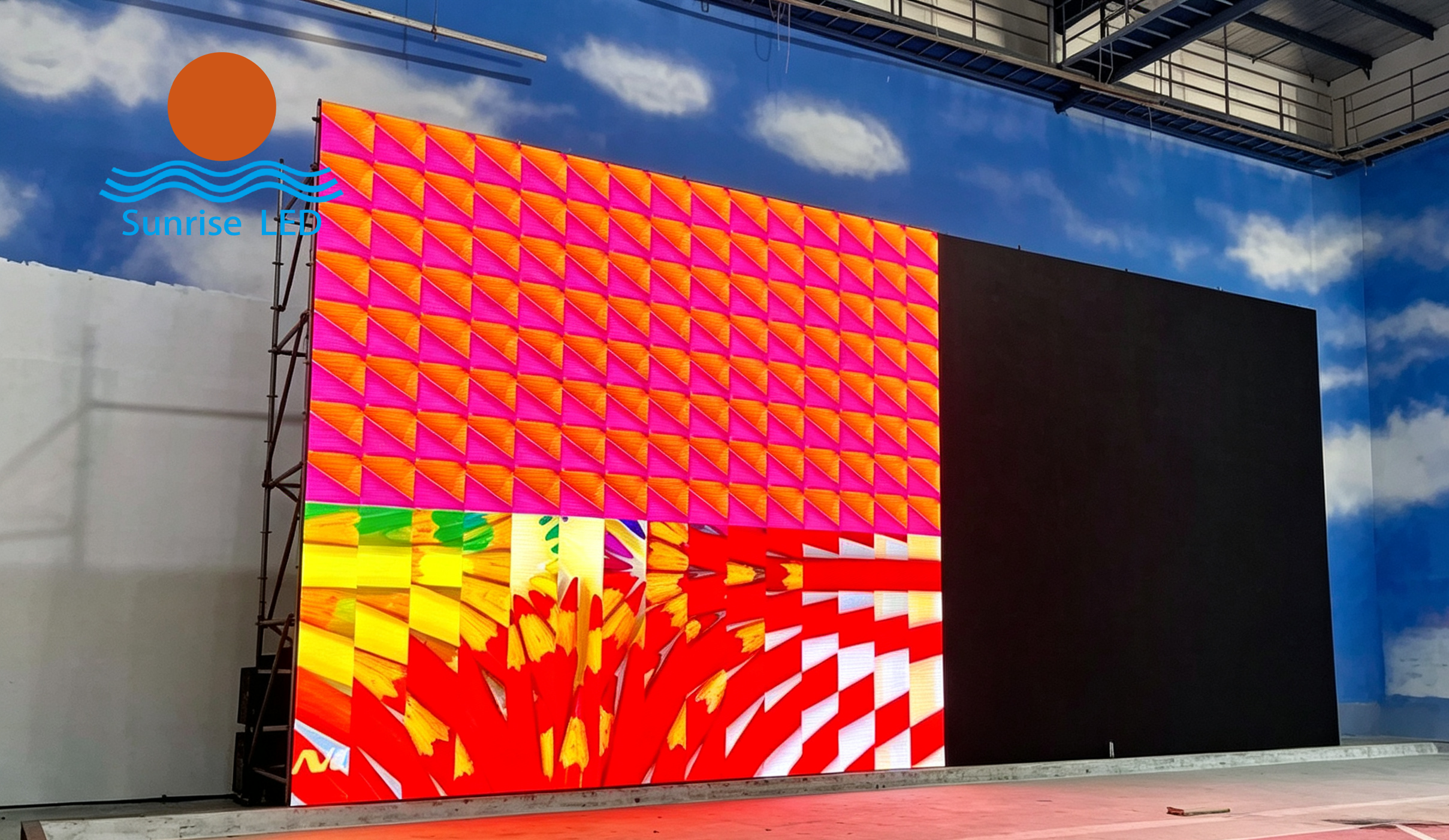
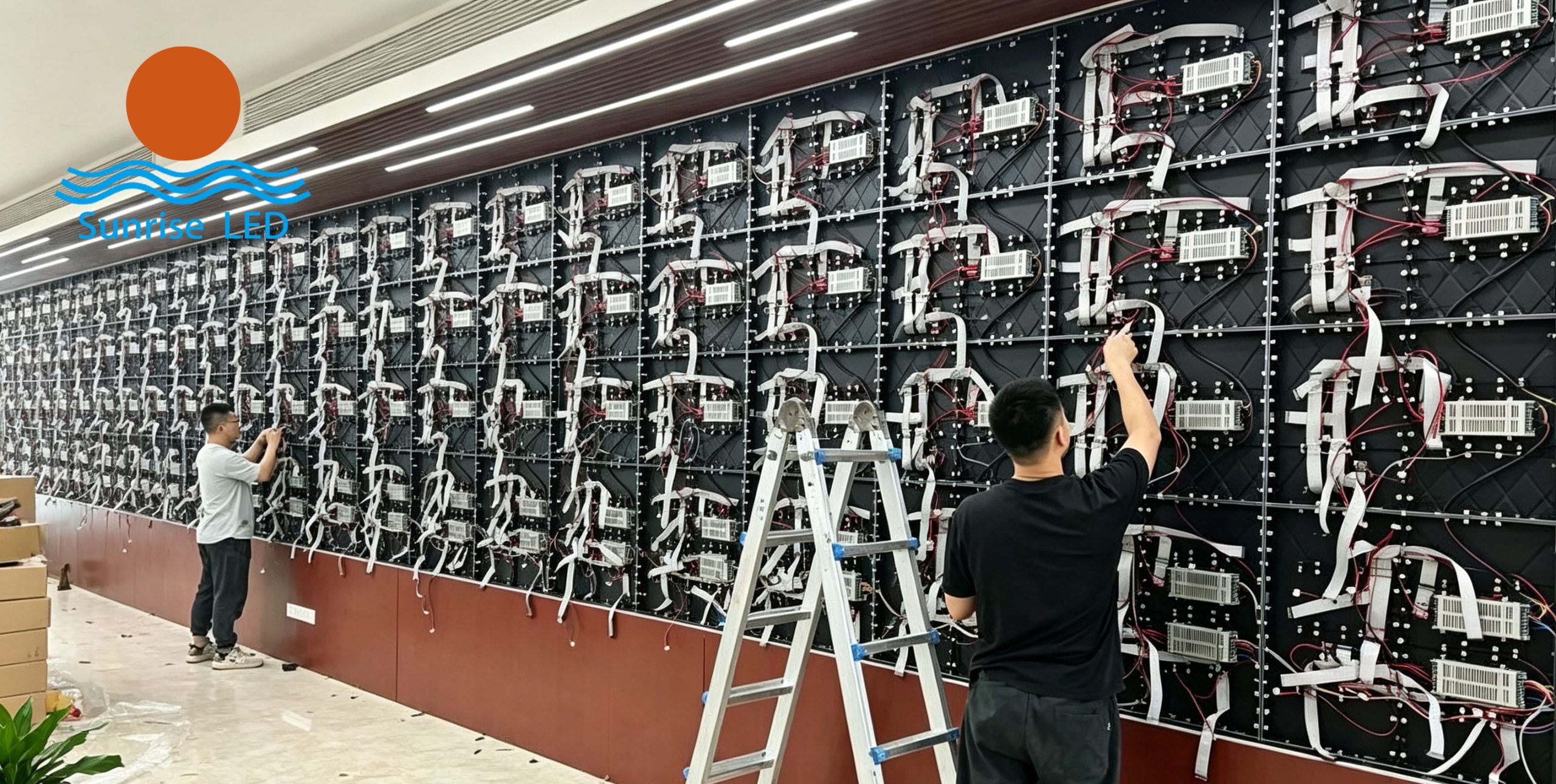
Image shift on LED large screens is a common fault in engineering commissioning and daily operation and maintenance, mainly manifesting as overall image displacement, partial misalignment, black e...
admin2026-08-07
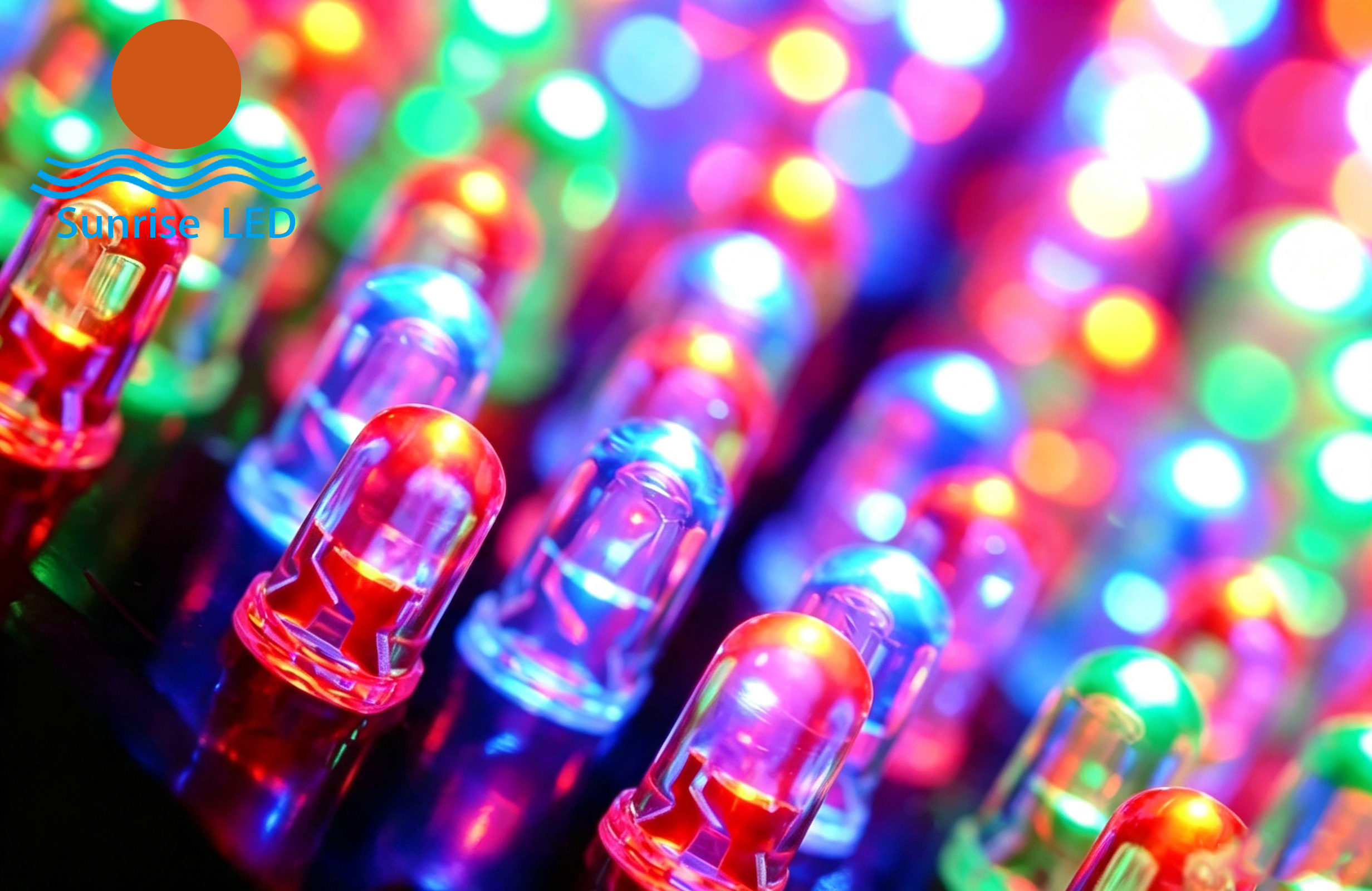
After 3-5 years of use, old LED displays commonly experience problems such as uneven luminous decay, color cast, dead lamps, and low grayscale flickering. Many renovation projects struggle with th...
admin2026-08-06
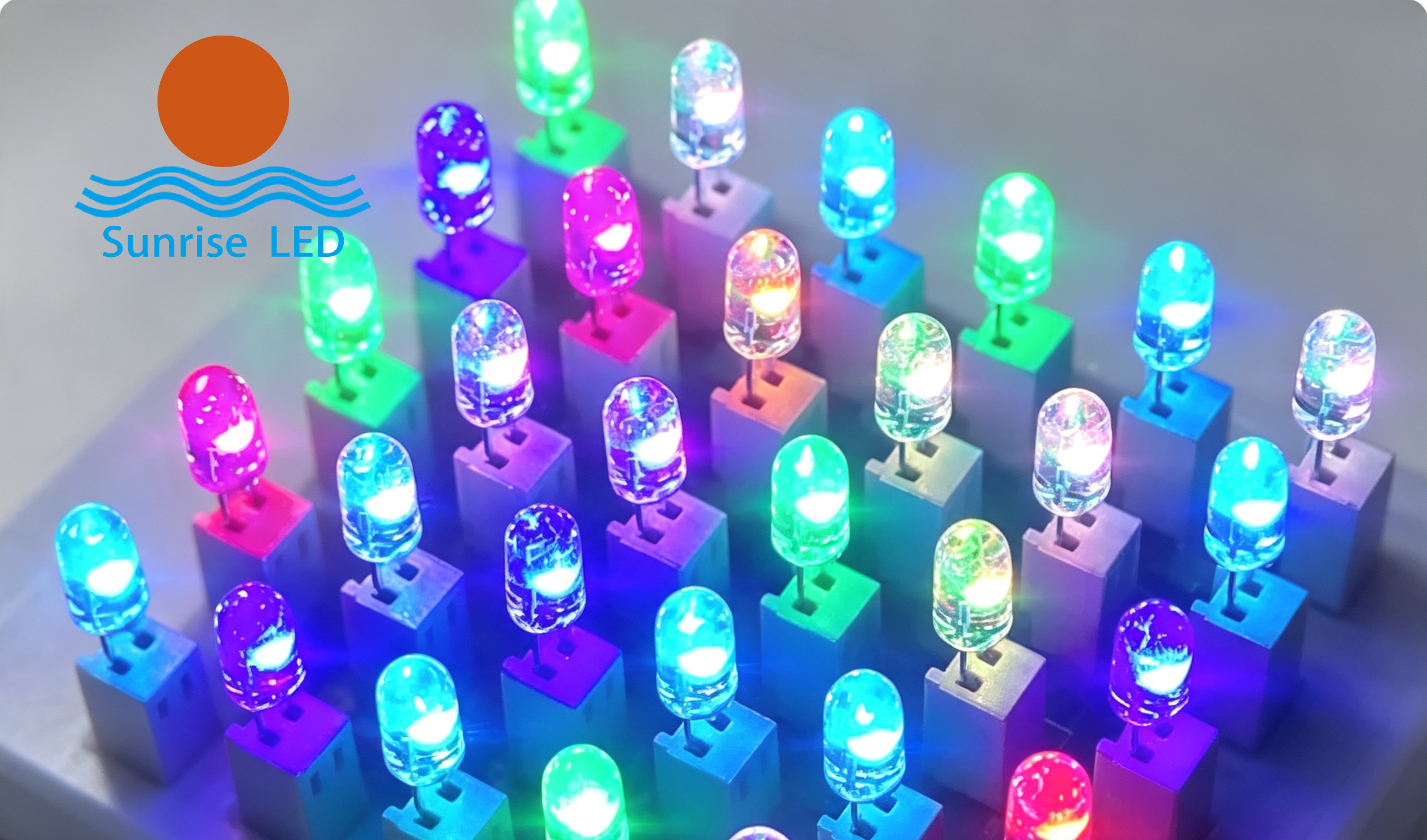
Color consistency is the core indicator for measuring the image quality of LED displays, directly determining whether the screen exhibits issues such as color patches, color differences, color shi...
admin2026-07-31
The essence of LED luminous decay is the multi-faceted aging caused by long-term high-temperature operation of the chip: phosphor thermal quenching, encapsulant yellowing, epitaxial layer damage, ...
admin2026-07-30
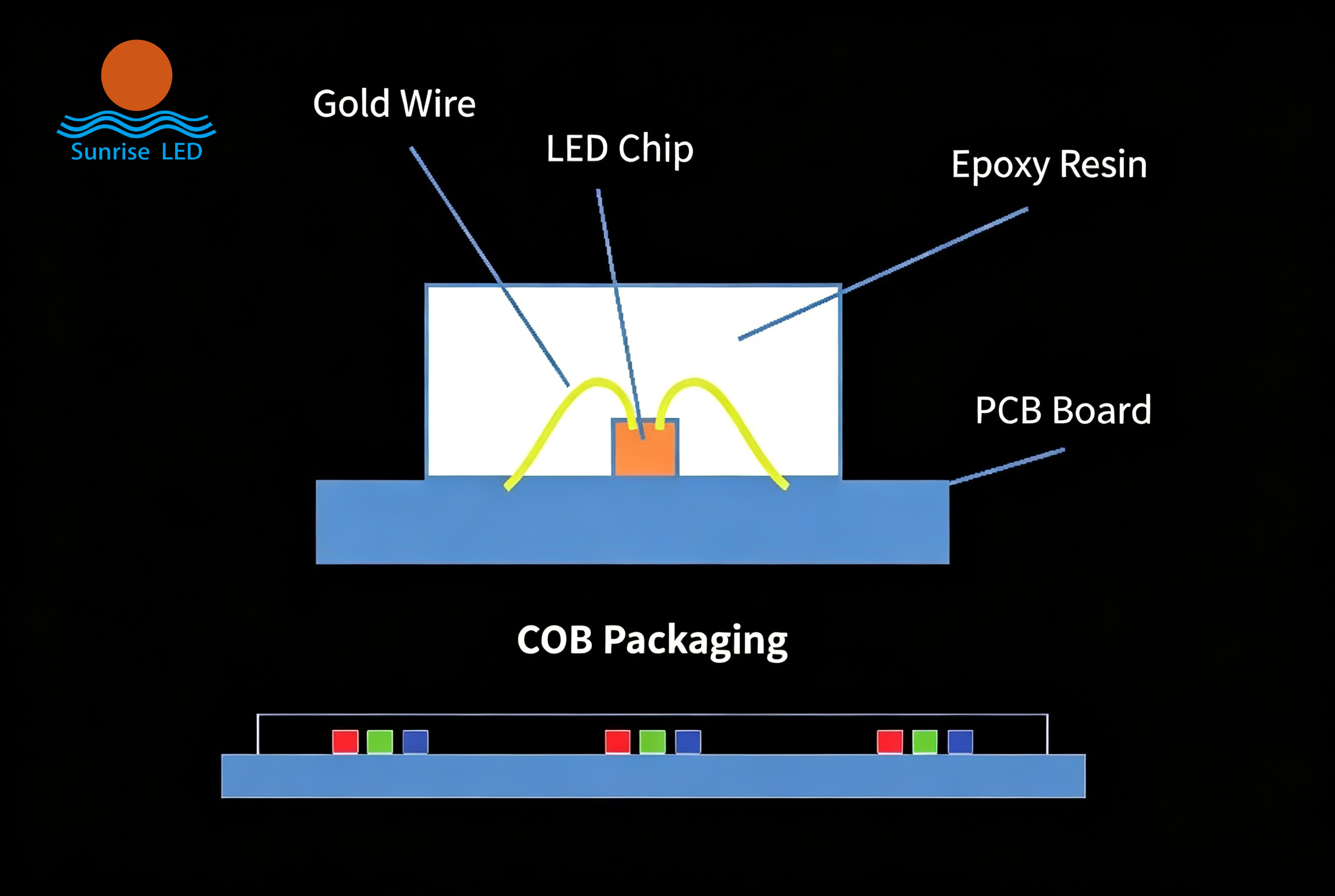
LED display packaging technology has evolved from through-hole to Micro LED, with the core logic being the upgrade from discrete devices to chip-level integration. The industry continuously tackle...

admin2026-07-24
Front service and rear service of LED transparent screen refer to its maintenance and repair modes, mainly based on whether maintenance personnel operate from the front or the back of the screen b...
admin2026-07-22
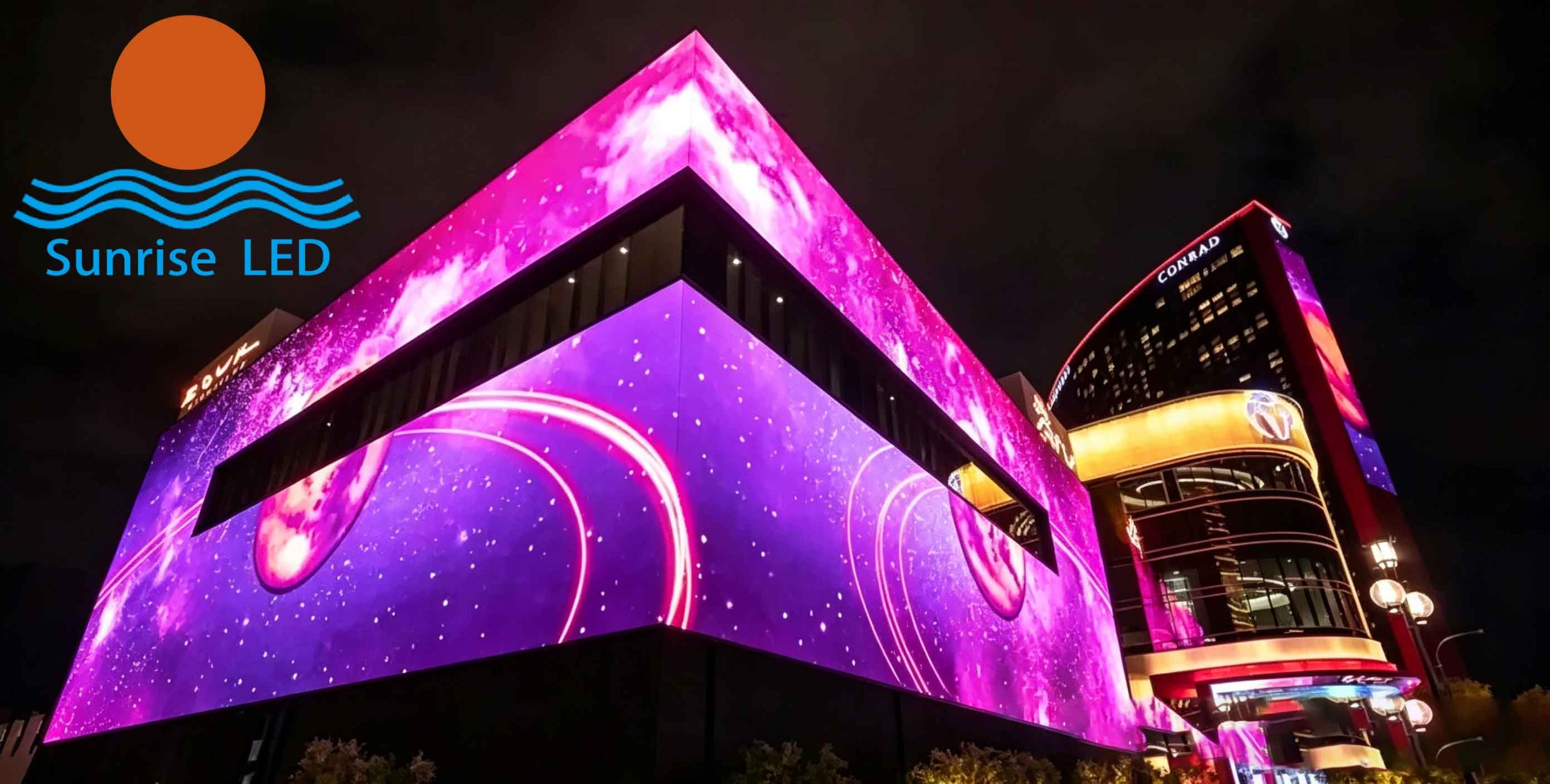
The transparent screen achieves “invisible” display with 70%-90% transmittance, operates stably from -30°C to 60°C, and saves 30% energy compared to conventional screens. It is the fut...

admin2026-07-17
Driven by scenarios such as digital exhibition halls, cultural tourism light and shadow displays, and XR virtual shooting, traditional flat LED screens can no longer meet the demand for high-quali...

admin2026-07-08
The viewing distance of an LED display can be accurately estimated based on its pixel pitch. The industry’s general standard formula is as follows: The minimum viewing distance equals 1 times the...
admin2026-07-16
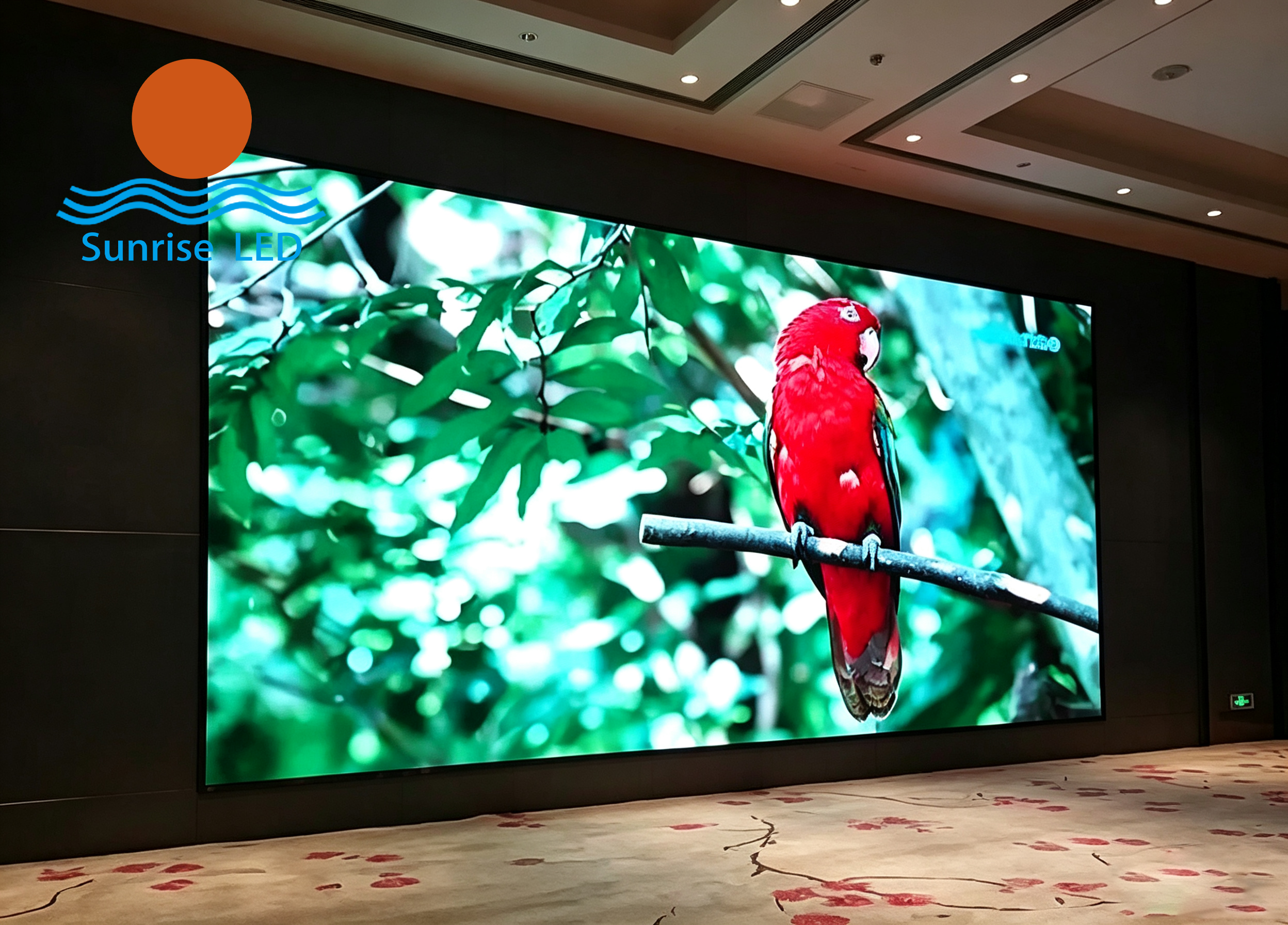
Color difference is one of the most common image quality defects of LED displays. It manifests as partial color cast across the whole screen, uneven color between modules, and color deviation unde...
admin2026-07-10
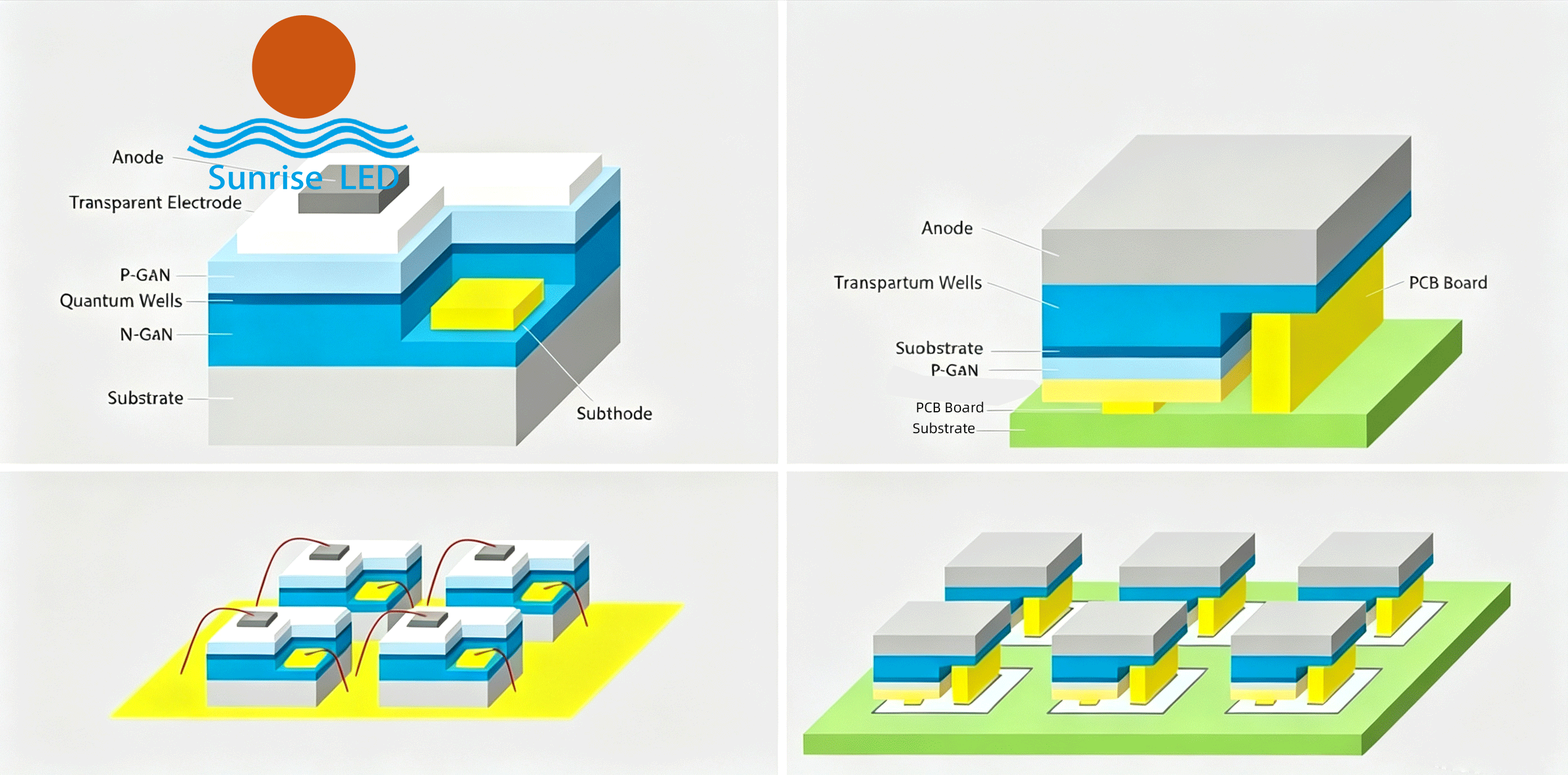
In the field of fine-pitch LED displays, COB packaging has become the mainstream solution for indoor high-definition visualization. Frontal COB and flip-chip COB represent the two core packaging t...