admin2026-09-30
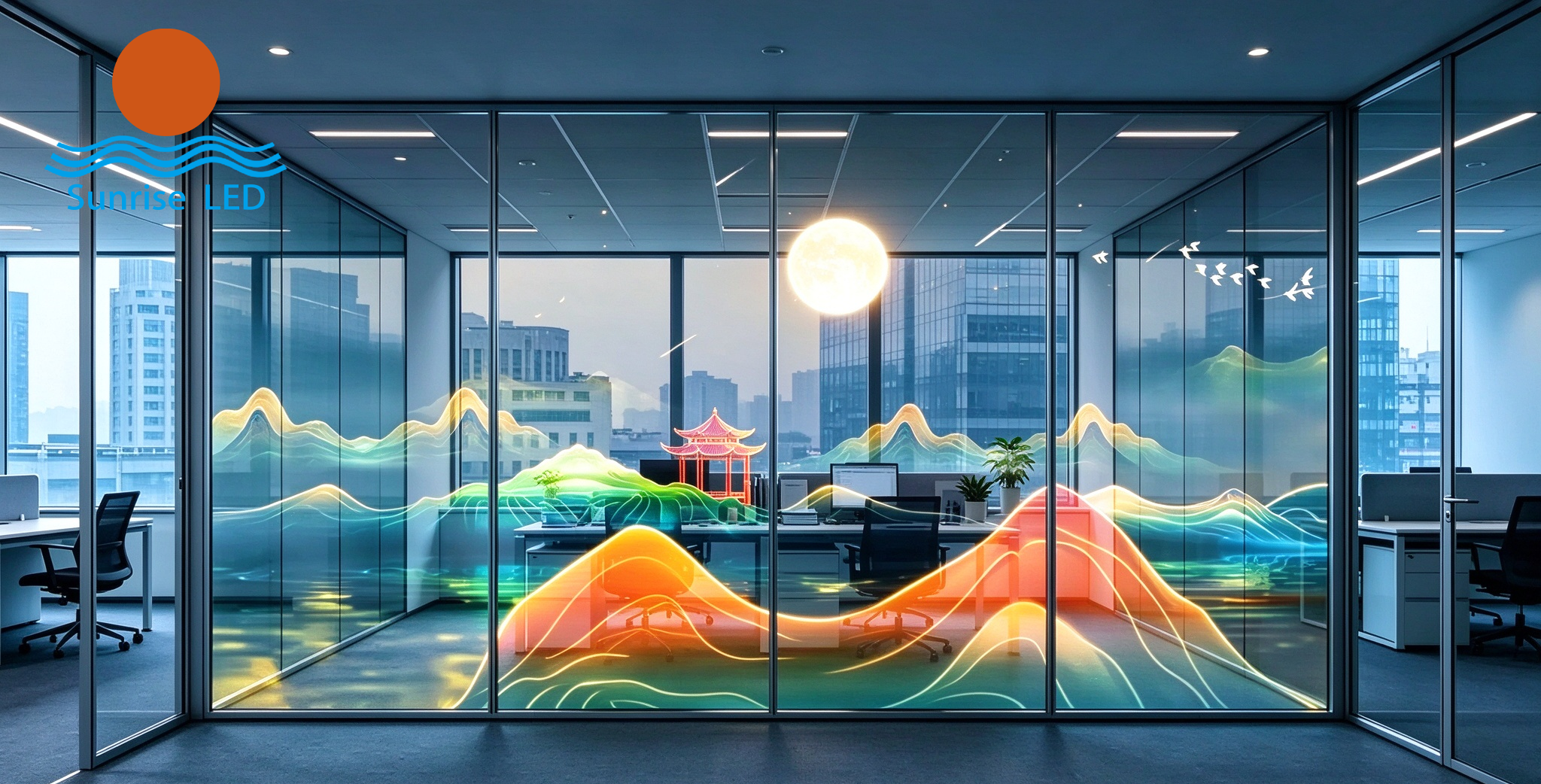
Want to turn ordinary glass into a high-tech display window? The LED holographic film screen requires no modification of the building structure. When off, it remains transparent as usual; when on,...
admin2026-09-24
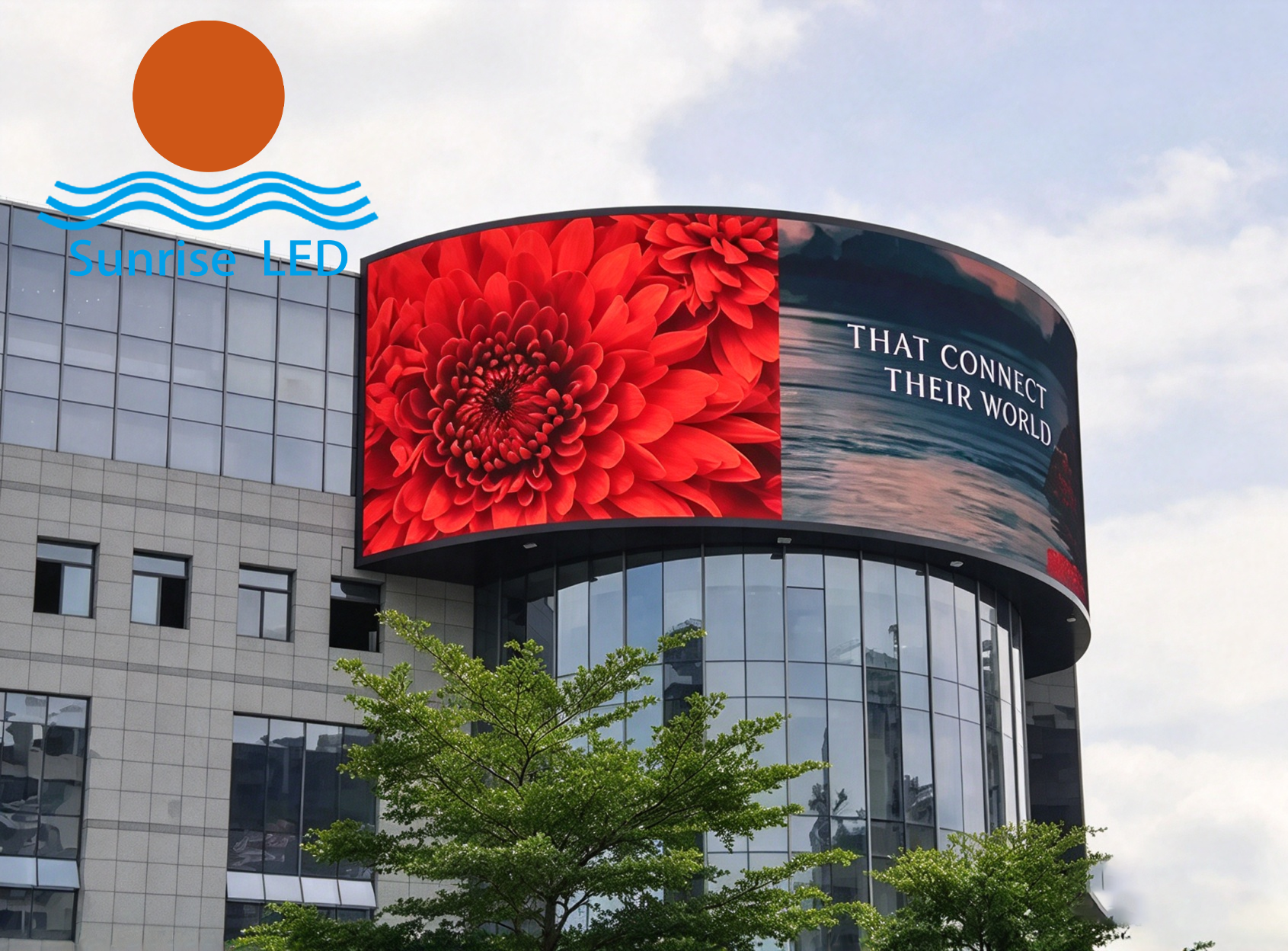
How to choose between conventional outdoor waterproof screens and transparent screens? The former offers better image quality but blocks daylight and requires high load-bearing capacity; the latte...
admin2026-09-23
During the project selection phase, many people confuse rental displays with fixed-installation displays, assuming that the only difference is appearance. In fact, from cabinet structure and circu...
admin2026-09-18
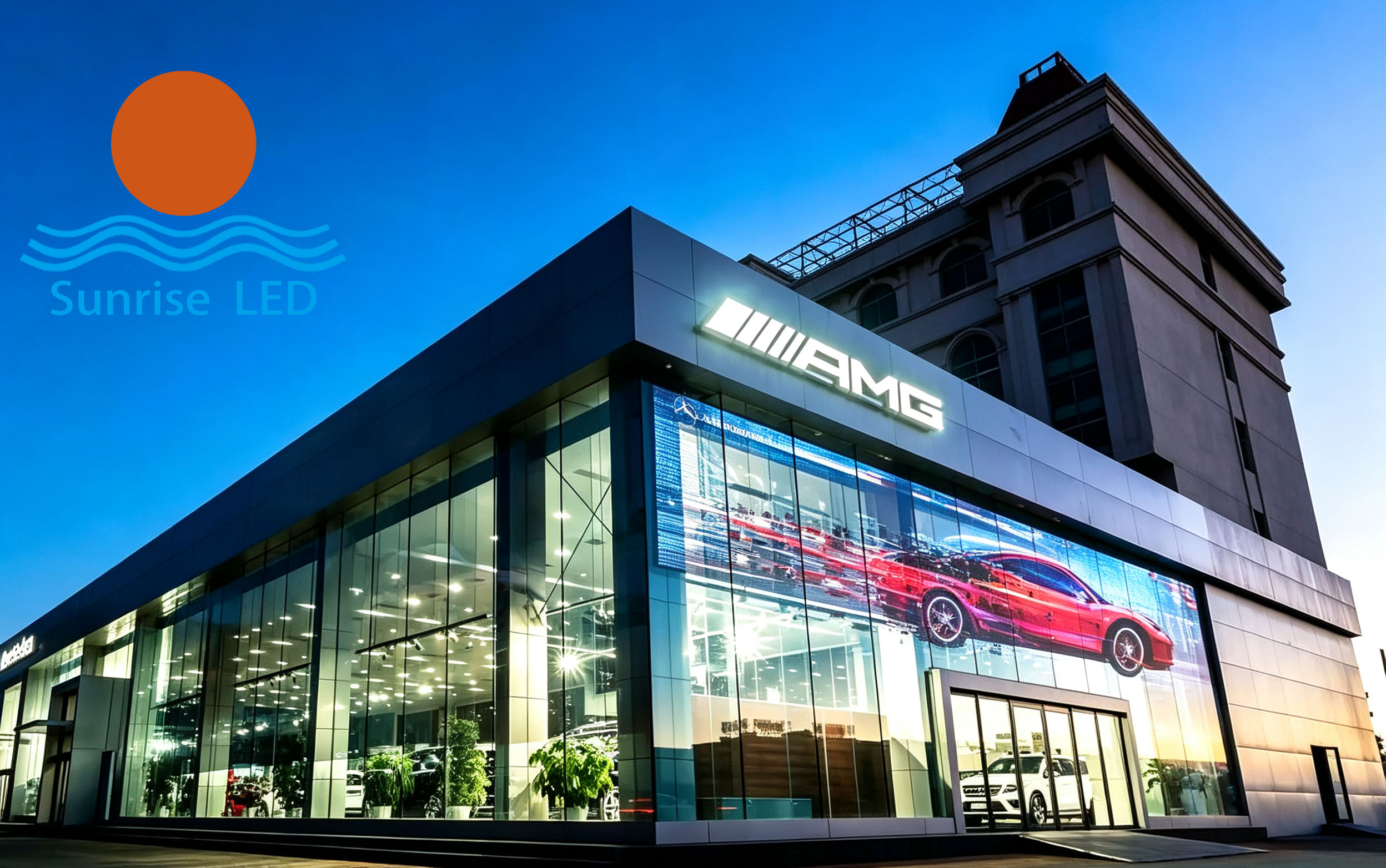
LED holographic transparent screens reshape commercial spaces with their see-through invisibility and naked-eye 3D effects. When switched off, they preserve the beauty of the architecture; when sw...
admin2026-09-16
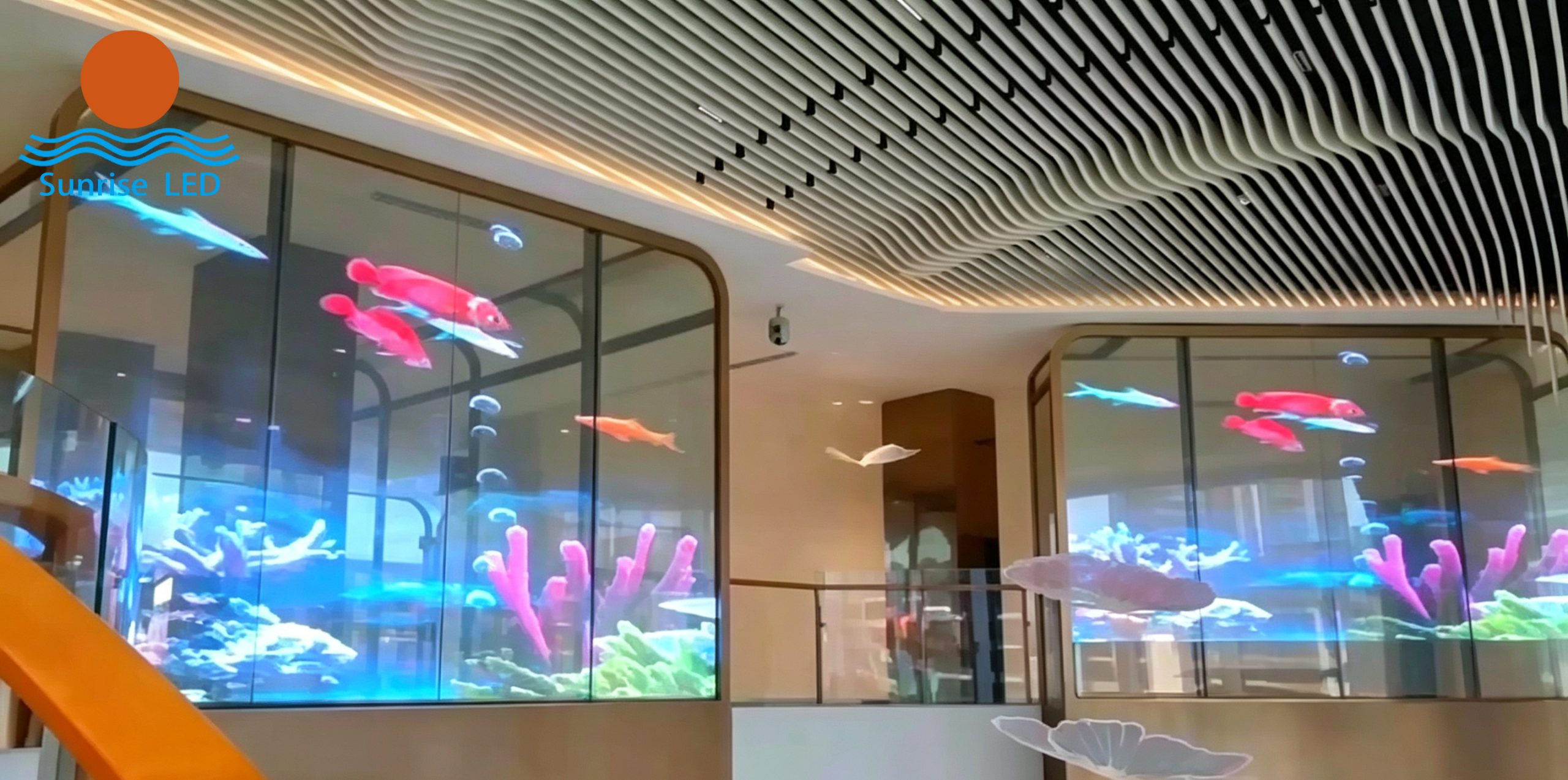
Say goodbye to bulky LED screens. Ultra‑thin, highly transparent and glass‑friendly, LED film screens have become a mainstream solution for digital renovation of commercial spaces. Easy to install...

admin2026-09-11
I. Pixels and Resolution Pixel Pitch P: unit mm (millimeter); P2.5 = 2.5mm center-to-center distance between pixels Pixel Density: pcs/㎡ (pixels per square meter), number of pixels per s...
admin2026-09-10
The power consumption of an LED display is generally calculated in three scenarios: **theoretical maximum power consumption**, **actual average power consumption**, and **electricity usage (energy...
admin2026-09-04
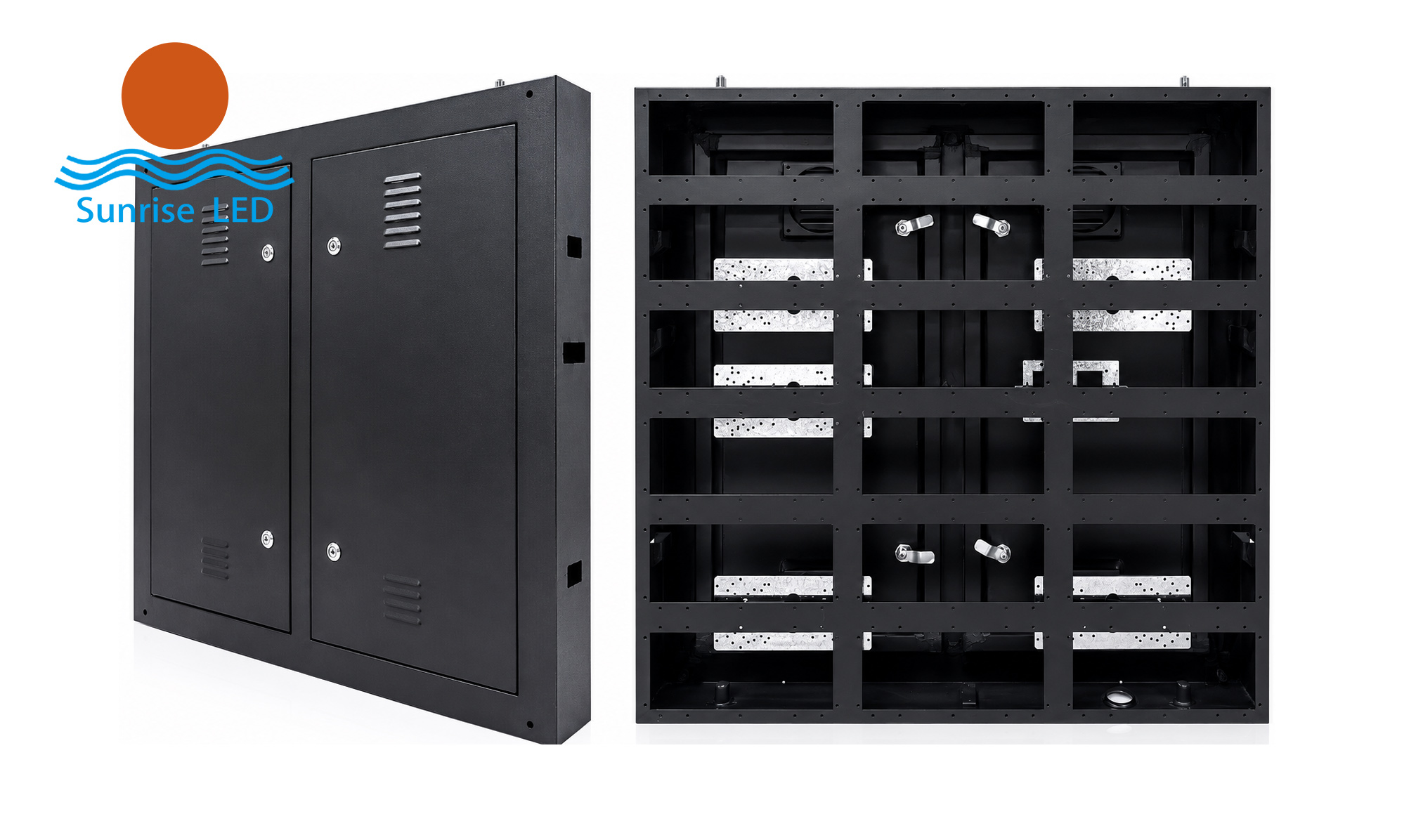
The LED display cabinet is the core load-bearing structure of the display screen. Its material directly determines the screen’s weight, heat dissipation performance, durability, and applicab...
admin2026-09-03
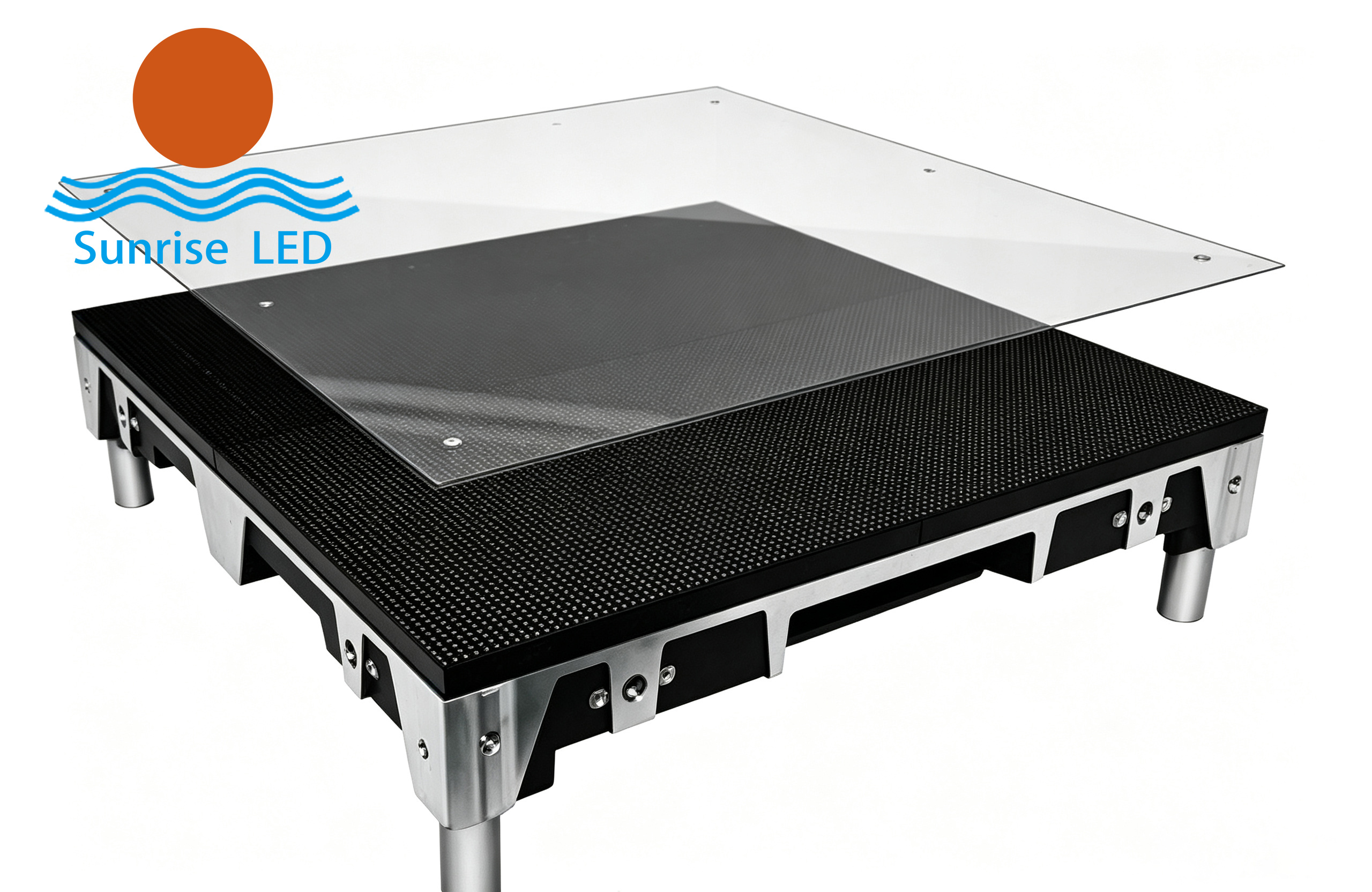
1. Tempered glass protection (the most mainstream) High-transparency tempered glass: A thickened tempered glass layer is added on the surface, providing compression resistance, wear resis...
admin2026-08-28
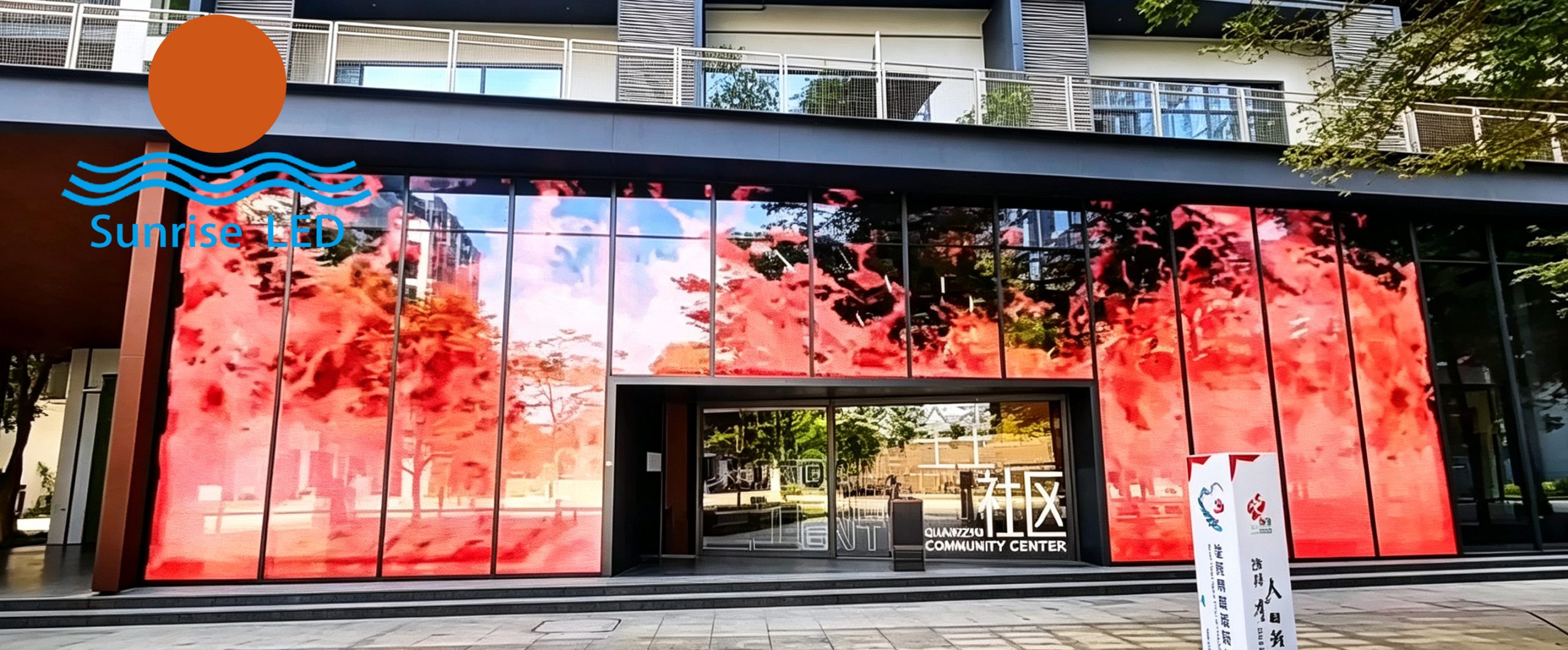
With its high light transmittance, lightweight design, and dynamic display capability, the LED transparent screen has become a perfect combination of commercial lighting and architectural aestheti...
admin2026-08-26
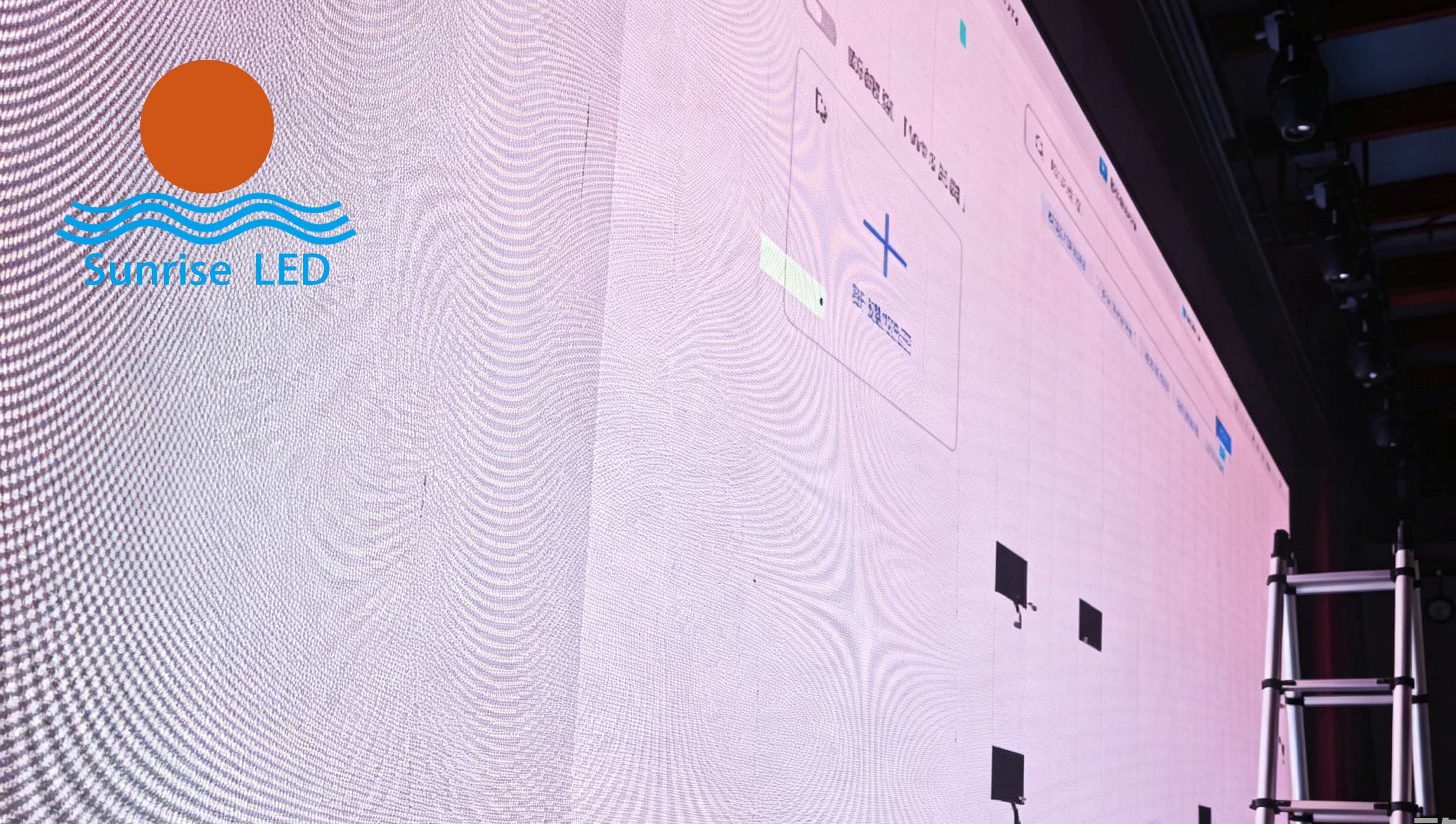
The LED display power supply is the power core of the entire system. Power supply anomalies can be divided into several categories: complete power failure, abnormal output voltage, excessive rippl...
admin2026-08-21
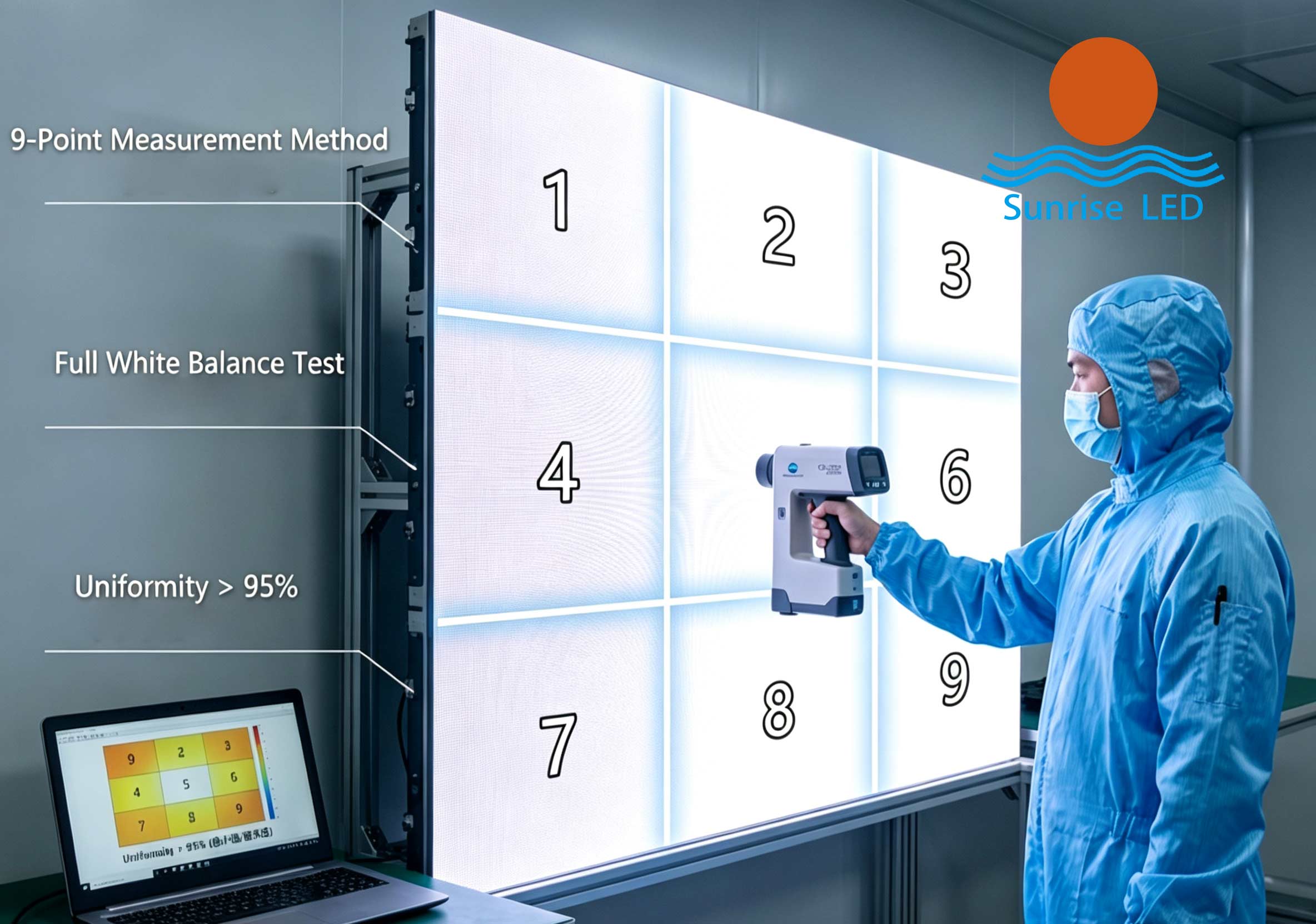
White Balance: Adjusting the ratio of RGB channels within a single module or single cabinet to render standard white light on‑screen. It addresses color cast on an individual screen and refers to ...