news

Thermal Performance Comparison Between Flip-chip COB and Frontal COB

8 views admin 2026-07-10

  • In the field of fine-pitch LED displays, COB packaging has become the mainstream solution for indoor high-definition visualization. Frontal COB and flip-chip COB represent the two core packaging technologies currently available. Their primary distinction lies not in external appearance, but in chip architecture, heat conduction pathways and thermal resistance performance. The heat generation and junction temperature of the screen directly determine the decay rate of lamp beads, color stability and overall service life of the display.
  • Structural Differences Determine Fundamental Heat Dissipation Paths
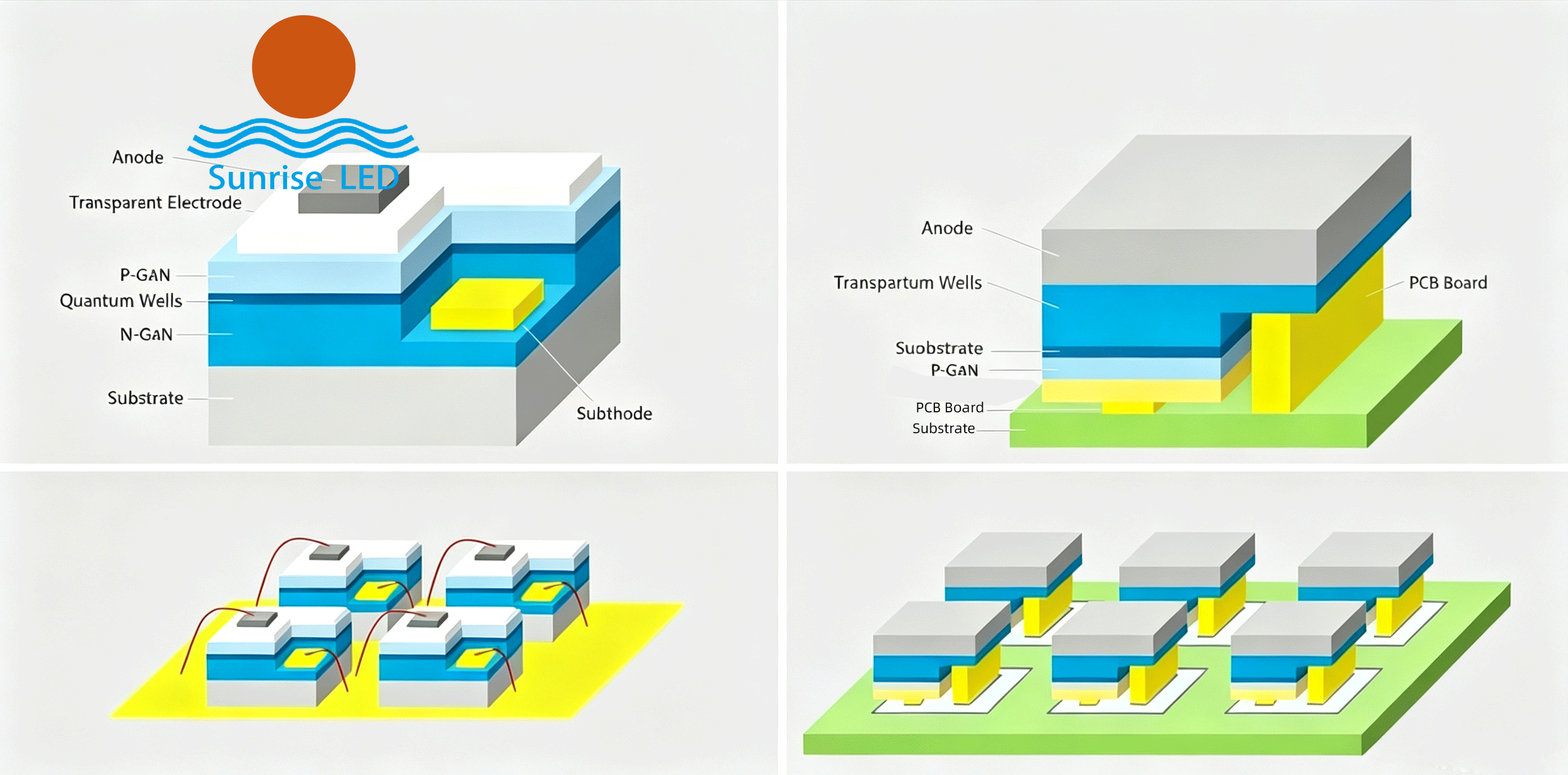
  • For frontal COB chips, the light-emitting surface faces upward, with electrode conduction realized via gold wires. Its heat transfer path follows: chip active layer → gold wire → pad → PCB substrate. This heat conduction chain contains multiple layers with minimal contact area. In addition, gold wires deliver limited thermal conductivity, resulting in high thermal resistance. A large amount of heat accumulates inside the chip adhesive and cannot be dissipated rapidly.
  • Flip-chip COB eliminates gold wires entirely. After the chip is flipped, metal bumps directly bond it to PCB pads, bringing the heat-emitting source close to the substrate. The heat conduction path is drastically shortened; heat transfers to the substrate only through thin metal bumps, cutting thermal resistance significantly. Meanwhile, flip-chip COB features a thinner adhesive layer, delivering superior air convection heat dissipation compared to the thick adhesive structure of frontal COB.
  • Comparison of Total Heat Generation at Equal Brightness
  • Top electrodes on frontal COB chips block light, leading to low light extraction efficiency. To reach the same display brightness, higher driving current is required, which converts more electric energy into thermal energy and generates greater overall heat.
  • Flip-chip COB has no electrode occlusion, boosting light efficiency by 15%~20% versus frontal COB. Lower driving current is needed for equivalent brightness, which reduces intrinsic heat generation of the chips. Moreover, metal bumps create lower conduction voltage drop, cutting extra circuit heat output. Full-brightness test data of industry-standard modules shows that the junction temperature of frontal COB chips is generally 5~10°C higher than that of flip-chip COB.
  • Differences in Long-Term Heat Dissipation Stability
  • During long-term high-low temperature cycling and continuous high-brightness operation, the gold wires of frontal COB repeatedly withstand thermal expansion and contraction stress. This gradually degrades contact performance, pushing thermal resistance upward year by year and raising screen temperature rise. Consequently, accelerated lamp bead decay, color shift and low-gray-scale failure will occur.
  • Flip-chip COB has no hidden risks from gold wire stress; chips fit tightly against the substrate for a stable heat conduction structure. In high-temperature aging tests, flip-chip modules experience gentler temperature rise and smaller thermal drift, delivering far superior color consistency and heat dissipation stability under prolonged heavy-duty operation.
  • Application Scenario Selection Reference
  • Frontal COB boasts obvious cost advantages, and its heat dissipation performance suffices for conventional indoor scenarios with low brightness and short-duration operation. Benefiting from outstanding heat dissipation capacity, flip-chip COB is more suitable for ultra-fine pitches below P1.0, high-definition control room screens and commercial displays running under full load for extended hours. It effectively slows down equipment aging and cuts temperature control power consumption.
  • In summary, the gap in heat dissipation performance constitutes the most critical hardware difference between frontal COB and flip-chip COB. Frontal COB is still usable for certain applications, yet flip-chip COB leverages structural advantages to achieve lower junction temperature, slower light decay and higher stability. It serves as the core technical guarantee for long-term reliable operation of high-end fine-pitch LED screens.
  • more articles:sunriseleddisplay.com/optimal-viewing-distance-led-displays-different-pixel-pitches/
   

Technology | analysis of naked eye 3D display technology

At present, the naked eye 3D large screen market is hot, and 3D technology is also known as 3D di...
Do you like ?3,009 views

Read more

Sunrise’s p2.604 curved LED display lights up under the Eiffel Tower

Sunrise’s p2.604 curved LED display lights up under the Eiffel Tower     Sunri...

Do you like ?1,956 views

Read more

Sunrise LED Rocky Rental Series led display for concert

Concert activities are popular in the United States, and sunrise’s products have been wide...
Do you like ?2,552 views

Read more

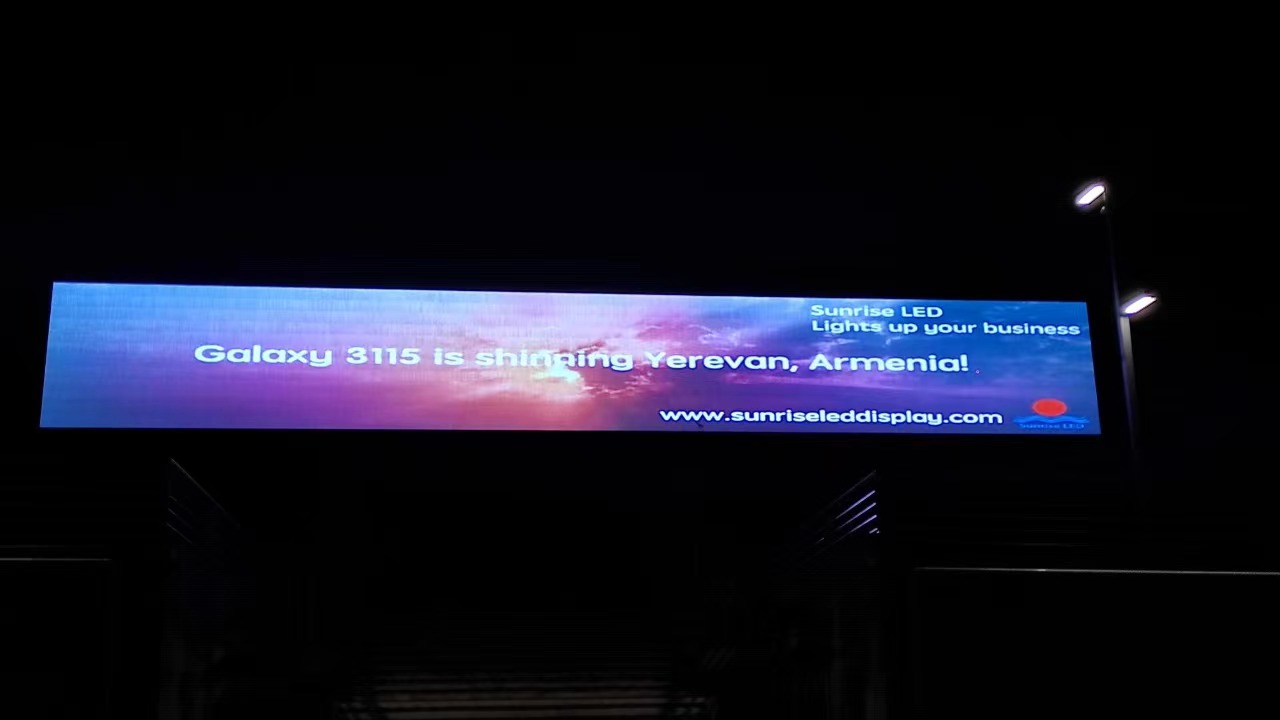
Sunrise 264 square meters Galaxy 3115 series mesh led facade in Armenia

  Sunrise 264 square meters Galaxy 3115 series mesh led facade in Armenia     Sun...
Do you like ?1,941 views

Read more

Sunrise led presents awards to excellent salesmen!

Doris, as a new salesman, won three orders in two months. It’s great.   Jack, the bu...
Do you like ?1,759 views

Read more

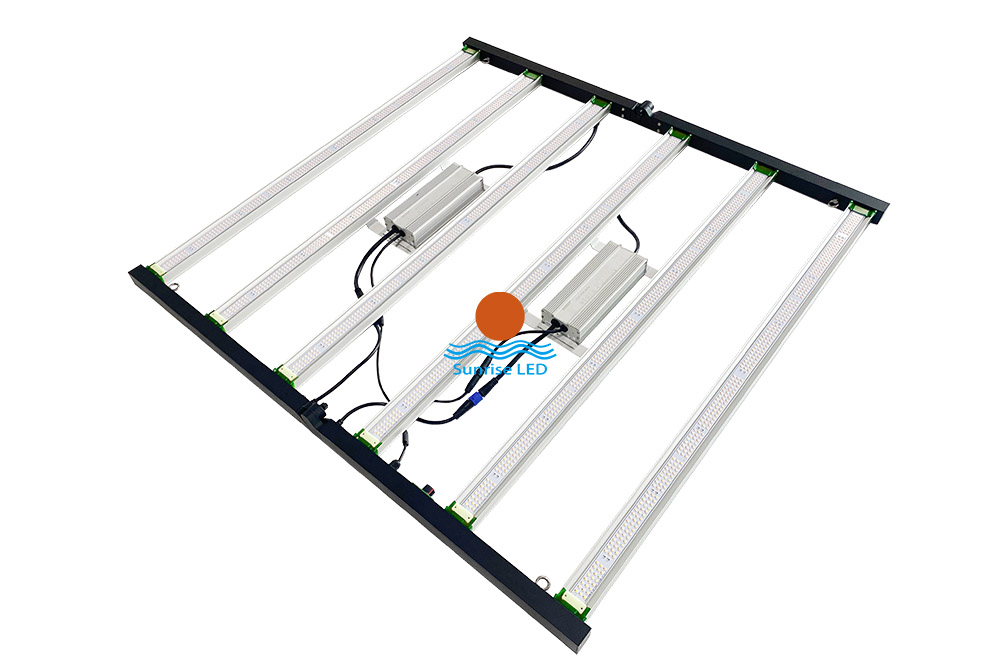
Our new product, led grow light, PPE reaches 2.6umol/j

640w and 800W full spectrum led grow light   It can be folded for convenient transportatio...
Do you like ?2,005 views

Read more

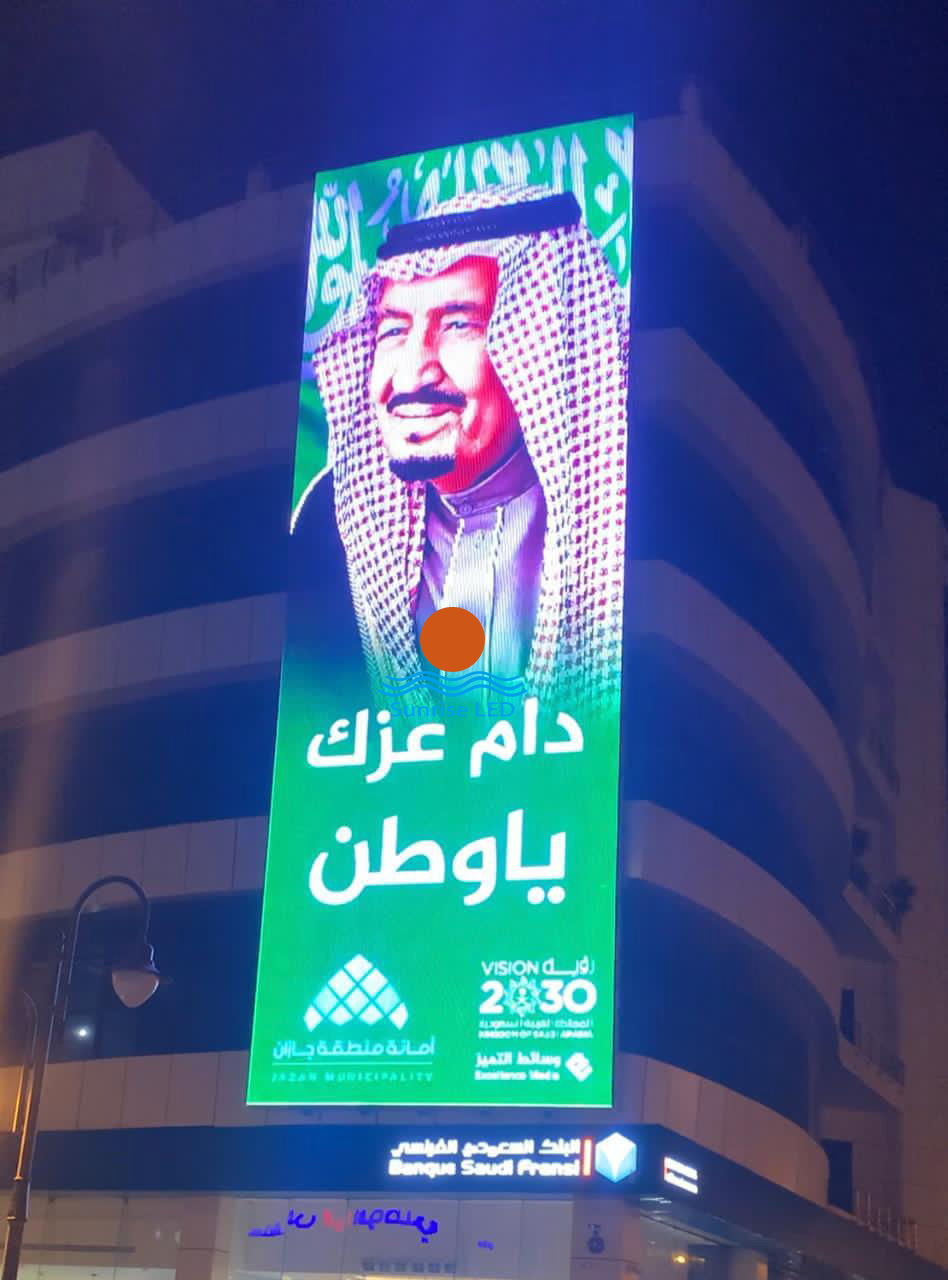
The latest project, Saudi Arabia LED MESH FACADE

The latest project, Saudi Arabia LED MESH FACADE. Ultra-high brightness, ultra-light LED display ...

Do you like ?2,548 views

Read more