news

Color Consistency Control for LED Displays: Key Points in the Whole Process from Lamp Beads to Complete Screen

12 views admin 2026-08-06

  • Color consistency is the core indicator for measuring the image quality of LED displays, directly determining whether the screen exhibits issues such as color patches, color differences, color shift, or uneven brightness. According to the industry-recognized standard, the color difference of the display screen must be controlled within 3; once exceeded, the human eye can clearly perceive color discrepancies.
 
  • Color deviation in LED screens is not caused solely by calibration issues, but is a systemic problem throughout the entire chain of components, production, installation, operation, and maintenance. To achieve uniform and stable color across the entire screen, it is necessary to establish a standardized control system covering the whole process from lamp beads to the complete screen.
 
  • Source Control: Lamp Bead Grading and Screening and Precise Matching
  • The discreteness of lamp bead parameters is the fundamental cause of color differences in LED screens, and also the first critical checkpoint in color control. Source control mainly consists of two core elements.
 
  • First, strict parameter binning. At the production end, high-precision binning and screening must be performed on the three core parameters of red, green, and blue lamp beads—dominant wavelength, luminous intensity, and color coordinates—thoroughly eliminating crude mixed-bin material usage and preventing the mixing of lamp beads with excessively large parameter deviations, thus reducing color errors at the individual lamp level.
 
  • Second, batch and color matching control. For the entire screen project, lamp beads must be from the same production batch and the same binning grade, and the RGB lamp bead luminous ratio must be precisely matched to avoid parameter imbalance in any single color channel. Through strict material selection control, a solid foundation is laid at the hardware source for subsequent overall screen color uniformity.
  • Process Control: Module Adjustment, Aging, and Assembly and Seam Management
 
  • Module production and assembly are critical stages where color deviations are amplified. Multi-dimensional standardized control is required to lock in module color parameters, mainly comprising three core processes.
 
  • First, single-module white balance calibration. During production, each module must be individually adjusted for RGB gain and brightness parameters to ensure that there are no local brightness unevenness or color shift issues within a single module, achieving uniform color on each individual module.
 
  • Second, standardized aging screening. A unified 72-hour high-temperature, high-humidity powered aging test is performed to expose latent issues such as lamp bead luminous decay, color drift, and brightness instability in advance, directly eliminating non-conforming modules and preventing defective products from entering the assembly stage.
 
  • Third, module grading and matching. After aging, all modules are classified by color parameter grades. Only modules of the same grade are used for the same complete display equipment, significantly reducing inter-module color differences after assembly from the module matching perspective.
 
  • Finished Screen Control: Pixel-by-Pixel Calibration and System Parameter Standardization
 
  • After the full screen is assembled, slight parameter differences between modules become visually magnified, easily leading to issues such as color patches and splicing color differences. Refined calibration and system normalization are needed to complete finished screen control.
 
  • First, implement full-screen pixel-by-pixel chromaticity and brightness calibration. Use professional high-definition spectral acquisition equipment to accurately collect data from each pixel on the screen, generate a dedicated LUT color correction file and import it into the control system, precisely correcting pixel-level brightness and color deviations, and strictly ensuring that the full-screen color difference ΔE < 3.
 
  • Second, achieve unified calibration of system parameters. Standardize Gamma curves, color temperature (commercial standard 6500K), grayscale levels, and other core parameters across the entire screen, unify the color output standard for the whole equipment, eliminate localized differences in color style and brightness levels, and thoroughly resolve common image quality issues such as splicing seams, color patches, and mottled screens.
 
  • Operation and Maintenance Control: Periodic Calibration, Operating Condition Management, and Parameter Archiving
 
  • LED lamp beads undergo differentiated degradation over long-term operation, and the three RGB color lamp beads have inconsistent decay rates. This is the main cause of later-stage color shift and non-uniformity. Long-term maintenance requires establishing a standardized control mechanism.
 
  • First, regular periodic calibration. Set calibration frequencies according to usage scenarios: for indoor standard operating conditions, calibrate every 12 months; for outdoor high-load, high-illumination screens, conduct a full-screen color re-inspection and pixel-by-pixel supplementary calibration every 6 months.
 
  • Finally, archive and retain parameters. Back up the original calibration parameters and all historical calibration data for each screen, ensuring a consistent benchmark for each adjustment, maintaining long-term color consistency, and avoiding the problem of calibration becoming worse with repeated adjustments.
  • In summary, color consistency control for LED displays is a refined, full-cycle systematic project, covering four core dimensions: lamp bead material selection and grading, module production processes, full-screen calibration and standardization, and later-stage operation and maintenance calibration
 
  • Only by strictly implementing standardized control at every stage can color risks be avoided at the source, deviations be precisely corrected during production, and image quality be maintained over long-term use, thoroughly solving issues of color patches, color shift, and uneven brightness, and ensuring that the display consistently outputs uniform, accurate, and stable high-quality images over time.
 

Technology | analysis of naked eye 3D display technology

At present, the naked eye 3D large screen market is hot, and 3D technology is also known as 3D di...
Do you like ?3,104 views

Read more

Sunrise’s p2.604 curved LED display lights up under the Eiffel Tower

Sunrise’s p2.604 curved LED display lights up under the Eiffel Tower     Sunri...
Do you like ?2,024 views

Read more

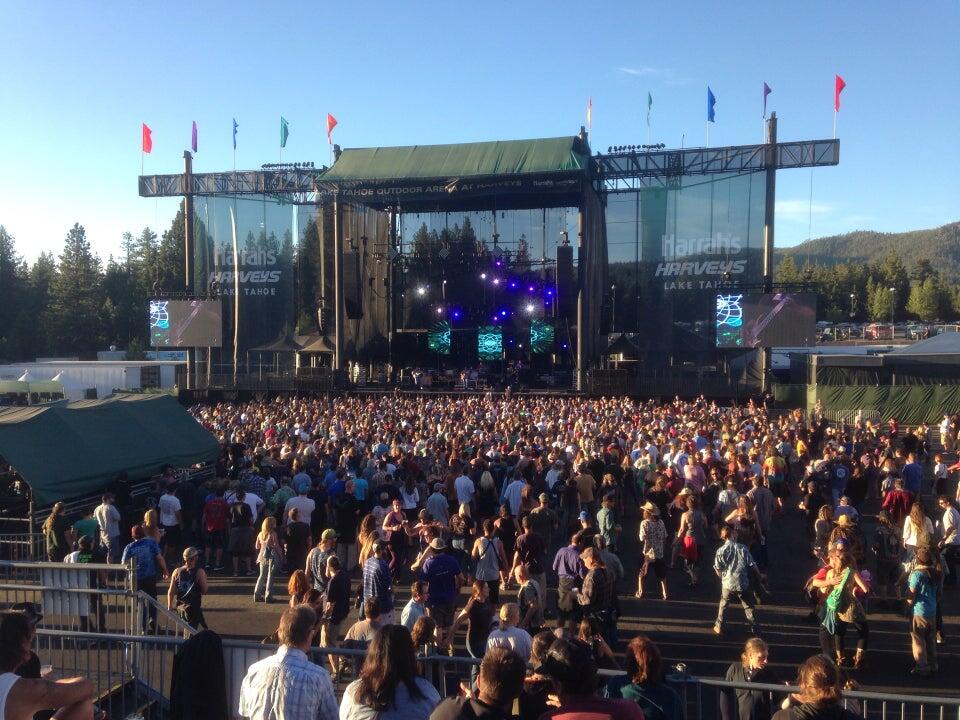
Sunrise LED Rocky Rental Series led display for concert

Concert activities are popular in the United States, and sunrise’s products have been wide...

Do you like ?2,631 views

Read more

Sunrise 264 square meters Galaxy 3115 series mesh led facade in Armenia

  Sunrise 264 square meters Galaxy 3115 series mesh led facade in Armenia     Sun...

Do you like ?2,002 views

Read more

Sunrise led presents awards to excellent salesmen!

Doris, as a new salesman, won three orders in two months. It’s great.   Jack, the bu...
Do you like ?1,851 views

Read more

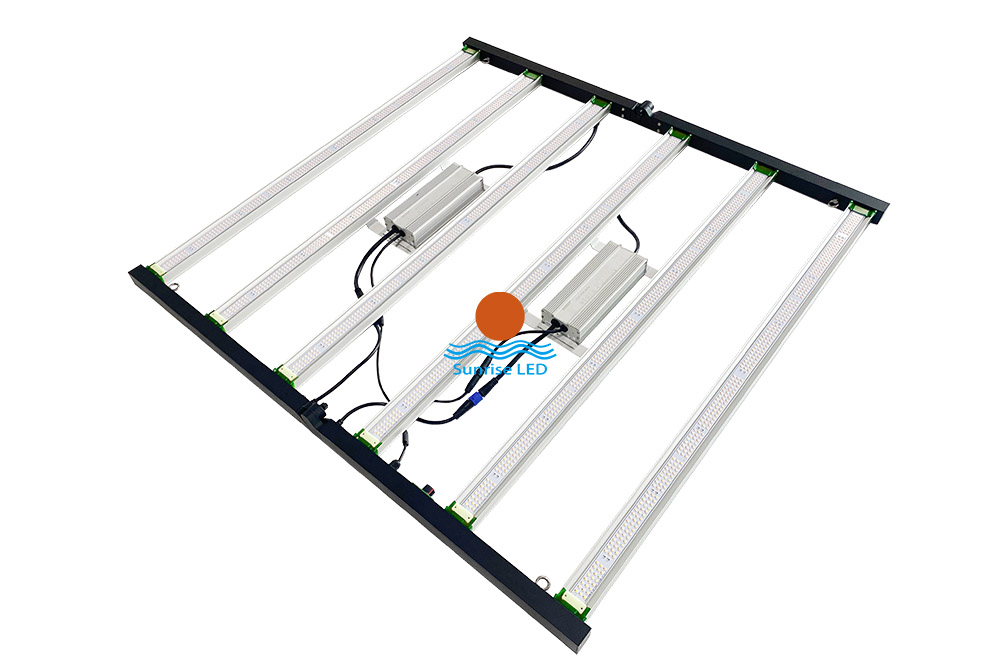
Our new product, led grow light, PPE reaches 2.6umol/j

640w and 800W full spectrum led grow light   It can be folded for convenient transportatio...
Do you like ?2,094 views

Read more

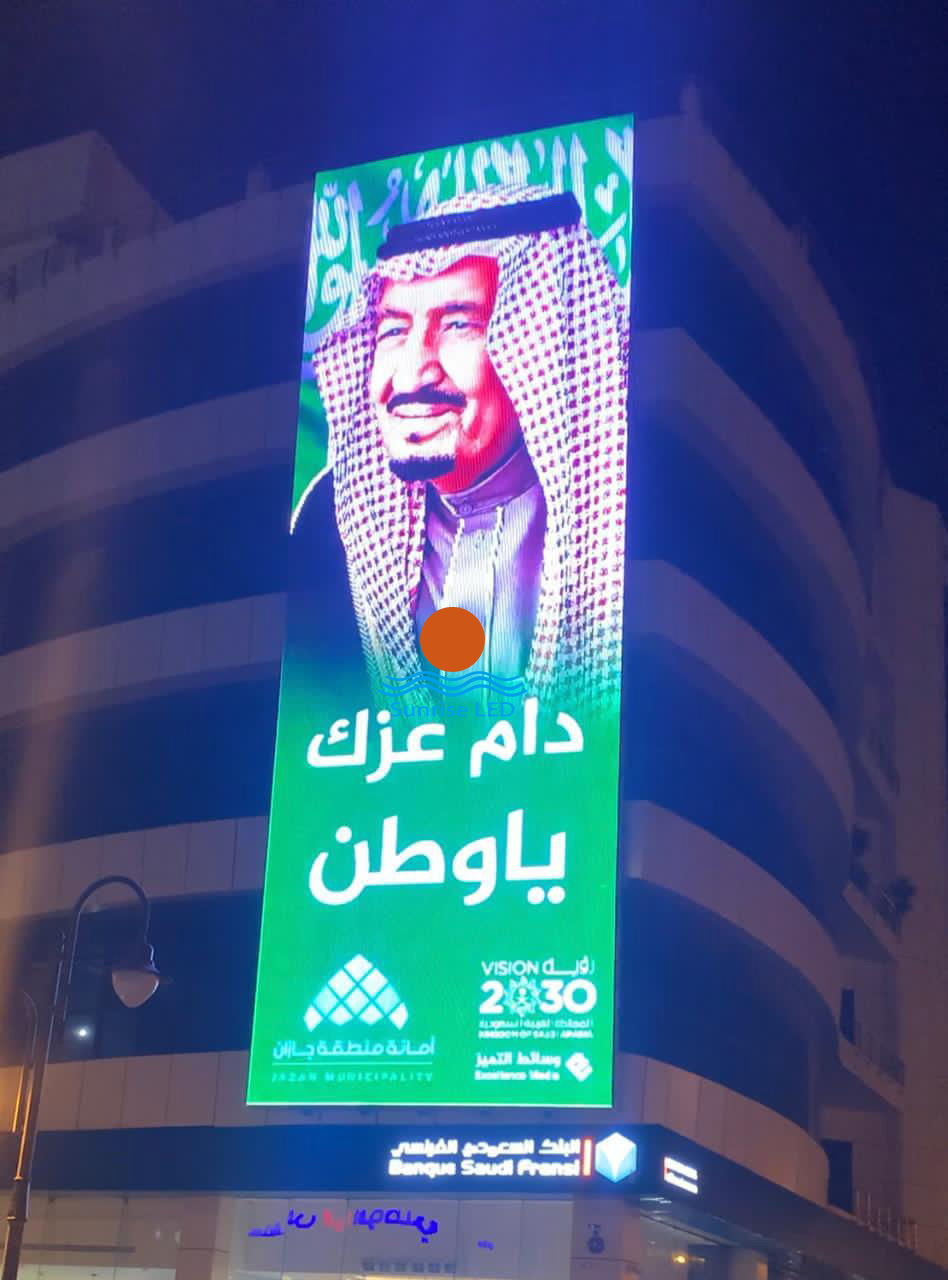
The latest project, Saudi Arabia LED MESH FACADE

The latest project, Saudi Arabia LED MESH FACADE. Ultra-high brightness, ultra-light LED display ...

Do you like ?2,622 views

Read more