news

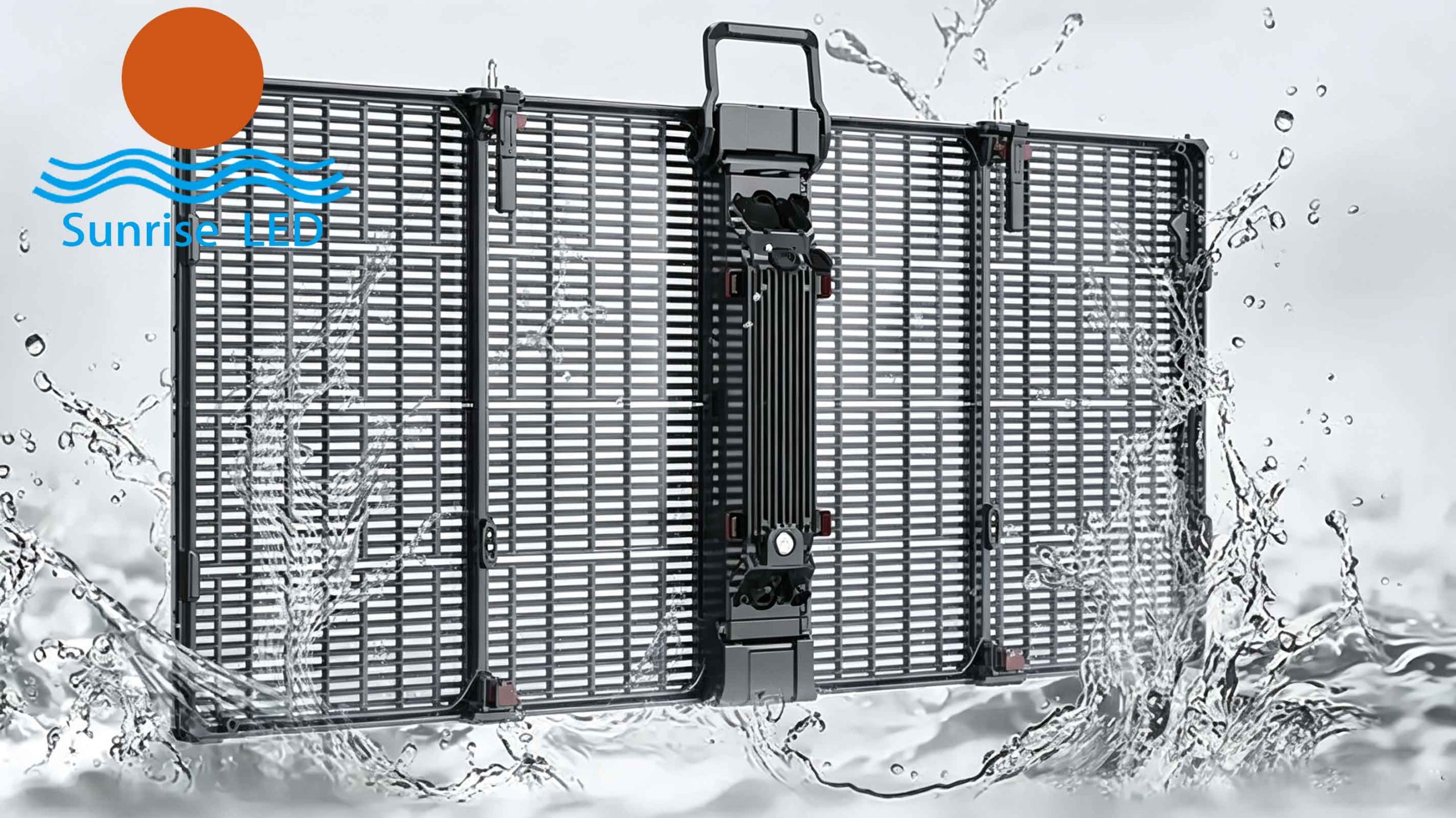
What advantages does a waterproof transparent screen have over a waterproof conventional screen?

14 views admin 2026-07-22

  • The transparent screen achieves "invisible" display with 70%-90% transmittance, operates stably from -30°C to 60°C, and saves 30% energy compared to conventional screens. It is the future choice for commercial space design—if you want dynamic information without destroying aesthetics, choose it and you're right.
 
  • With the rapid development of digital display technology, waterproof transparent screens and waterproof conventional screens are increasingly widely used in fields such as outdoor advertising, commercial display, and traffic guidance. Although both types of screens have waterproof functions, they show different characteristics and advantages in practical applications. Sunrise's editor will conduct a comparative analysis of the two from multiple dimensions to help users better choose products that suit their own needs.
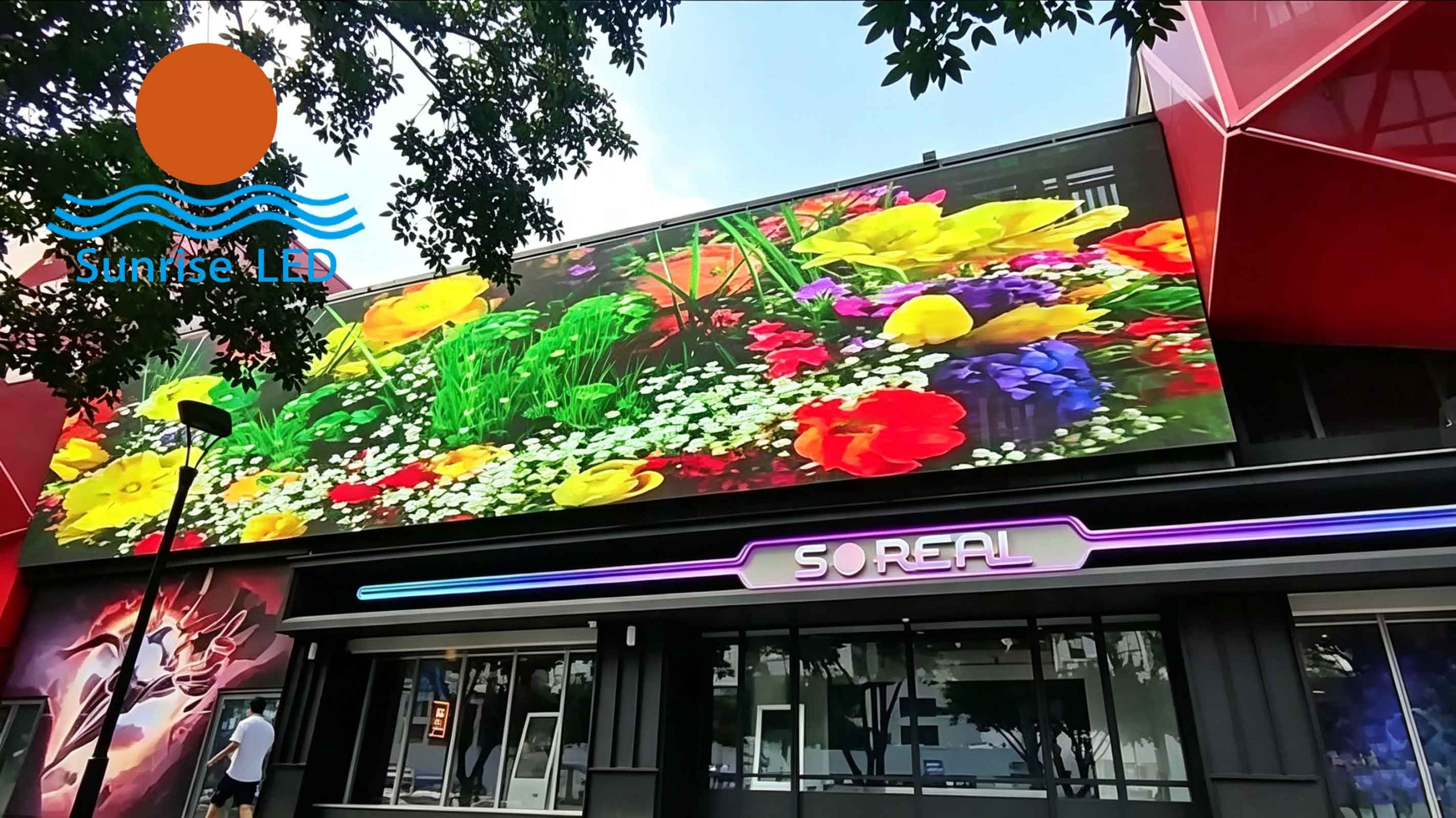
  • First, from the perspective of visual effects, the biggest advantage of waterproof transparent screens lies in their transparency. Transparent screens use special optical materials and structural designs, allowing the screen to maintain a high level of transparency when not displaying content, typically with transmittance reaching 70%-90%. This characteristic enables transparent screens not to completely block the scenery behind them after installation, making them particularly suitable for scenes such as shopping mall windows and museum display cases that need to balance display and viewing. In contrast, waterproof conventional screens usually appear as opaque black or dark panels when turned off, completely blocking the environment behind. This "invisible" characteristic of transparent screens, while maintaining the overall aesthetics of the environment, also enables the display of dynamic information, greatly enhancing the design flexibility of commercial spaces.
 
  • In terms of environmental adaptability, waterproof transparent screens show stronger weather resistance. Due to the use of special packaging processes and materials, high-end transparent screens can operate stably in extreme temperature ranges from -30°C to 60°C, and have stronger UV resistance, not prone to yellowing or aging problems even under long-term direct sunlight. While waterproof conventional screens also have certain weather resistance, their display effects and lifespan are often more affected under sustained high or low temperatures. In addition, the surface of transparent screens is usually specially treated to have better anti-glare performance, maintaining clear display under strong light, which is particularly important for outdoor applications.
 
  • From the perspective of installation and maintenance, the advantages of waterproof transparent screens are also obvious. Due to their lightweight design (as thin as about 10mm) and modular structure, transparent screens are easier to install, with lower requirements for building load-bearing, especially suitable for installation in special positions such as glass curtain walls and sightseeing elevators. At the same time, transparent screens have better heat dissipation performance, and power consumption is usually 20%-30% lower than conventional screens of the same size, which not only reduces operating costs but also extends product life. In terms of maintenance, the modular design of transparent screens allows quick replacement of individual modules when a fault occurs, greatly reducing maintenance time and costs. Waterproof conventional screens, due to their heavier weight and higher heat dissipation requirements, often need more complex mounting brackets and cooling systems.
 
  • In terms of energy consumption and environmental performance, the advantages of transparent screens are even more prominent. Due to the adoption of more advanced LED technology and optical design, the power consumption per unit area of transparent screens is significantly lower than that of conventional screens. Taking a P3.9 specification screen as an example, the power consumption of transparent screens is usually around 400W/㎡, while conventional screens of the same specification may reach over 600W/㎡. This energy-saving characteristic not only reduces operating costs but also aligns more with the current trend of green environmental protection. In addition, the materials of transparent screens have a higher recyclability rate, causing less environmental impact after the end of their life cycle.
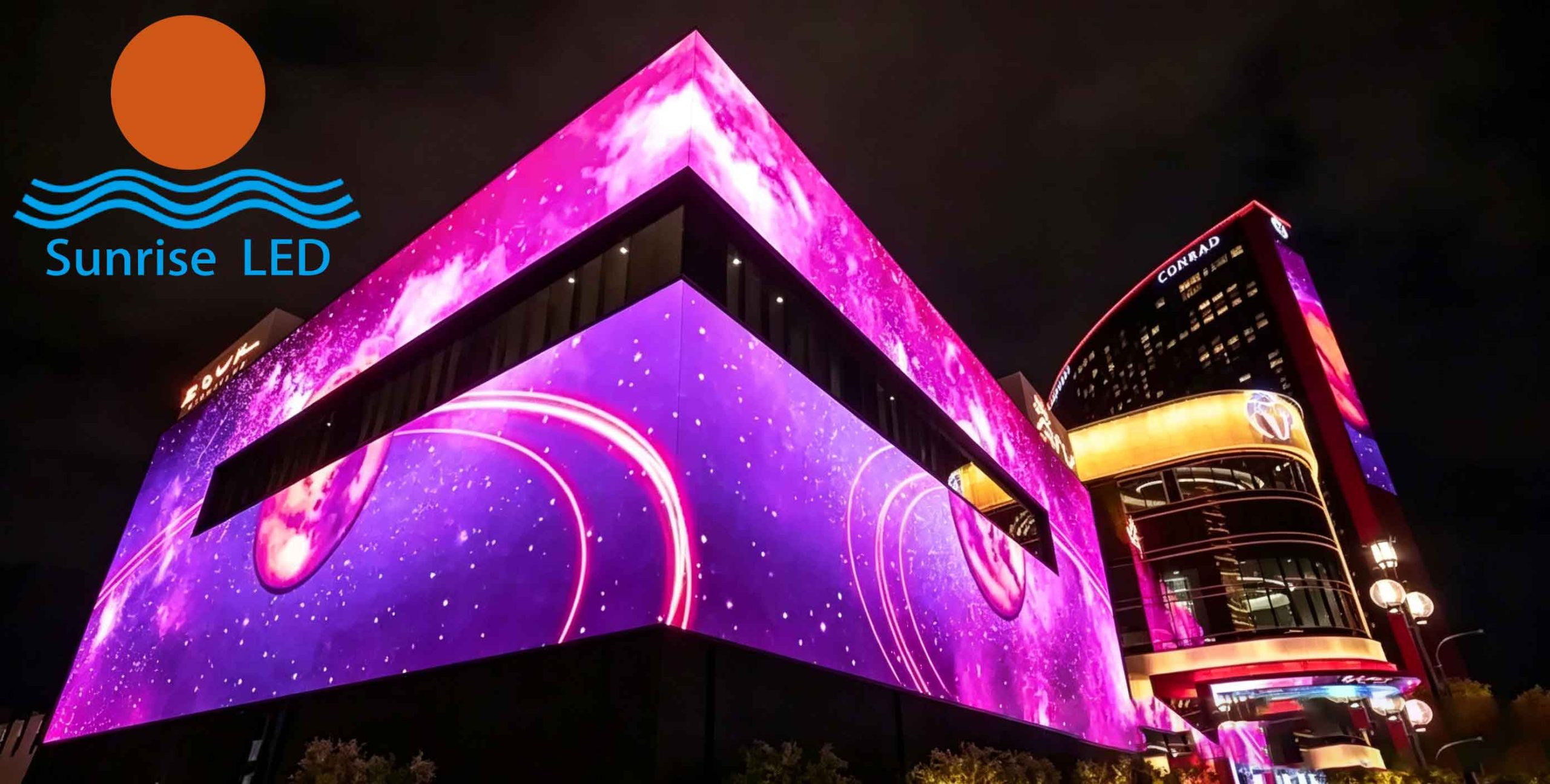
  • Adaptability of application scenarios is another important comparison dimension. Waterproof transparent screens are particularly suitable for places that need to maintain visual transparency, such as brand store window displays, airport terminal guidance systems, and lobby information screens in high-end office buildings. In these scenarios, transparent screens can achieve dynamic information display without destroying the original spatial sense and design style of the building. Waterproof conventional screens, on the other hand, are more suitable for occasions that require extremely high display brightness and color saturation, such as outdoor advertising billboards and stadium scoreboards, where transparency is usually not a concern, and more emphasis is placed on long-distance visibility and visual impact.
 
  • In terms of technological innovation, waterproof transparent screens represent the frontier development direction of display technology. Currently, leading transparent screen products on the market have achieved advanced indicators such as 8K ultra-high-definition display, 5000:1 high contrast ratio, and 3840Hz refresh rate, while supporting high-end display technologies such as HDR and wide color gamut. These technological advances make transparent screens increasingly close to conventional screens in display quality, while their advantages in special application scenarios become more obvious. In contrast, technological innovation in waterproof conventional screens is more concentrated on traditional indicators such as brightness improvement and power consumption reduction.
 
  • In terms of cost, the initial investment of waterproof transparent screens is indeed higher than that of conventional screens, typically 30%-50% higher. However, from the perspective of total lifecycle cost, the energy-saving characteristics, long lifespan, and low maintenance costs of transparent screens can often make up for the initial price gap within 3-5 years. Especially for high-end commercial projects, the brand image enhancement and space value creation brought by transparent screens often have comprehensive benefits far exceeding those of conventional screens.
 
  • It is worth noting that the two types of screens are not completely substitutive but have their own emphases. In actual projects, designers often mix the two types of screens according to the functional needs of different areas. For example, conventional screens may be used as the main display in the atrium of a shopping mall, while transparent screens are used in the windows on various floors, forming a multi-level digital display system. This combined application can fully leverage the respective advantages of both technologies and create a richer visual experience.
 
  • Looking to the future, with the maturation of new technologies such as Micro LED, the performance of waterproof transparent screens will continue to improve, and costs will gradually decrease. It is expected that by 2026, the market penetration rate of transparent screens is expected to increase from the current 15% to over 30%. Especially in smart city construction and new retail fields, transparent screens will gain wider application due to their unique advantages. Waterproof conventional screens will continue to maintain an important position in professional fields requiring high brightness and high reliability.
  • In summary, waterproof transparent screens have obvious advantages in multiple aspects including visual effects, environmental adaptability, installation and maintenance, energy consumption, and environmental protection, and are particularly suitable for modern commercial environments that emphasize spatial aesthetics and a sense of technology. Waterproof conventional screens still have their irreplaceable value in traditional display performance. When purchasing, users should choose the most suitable display solution according to specific application scenarios, budget, and long-term operational needs. With continuous technological progress, we have reason to expect that both waterproof display technologies will usher in broader development prospects.
     

Technology | analysis of naked eye 3D display technology

At present, the naked eye 3D large screen market is hot, and 3D technology is also known as 3D di...
Do you like ?3,056 views

Read more

Sunrise’s p2.604 curved LED display lights up under the Eiffel Tower

Sunrise’s p2.604 curved LED display lights up under the Eiffel Tower     Sunri...
Do you like ?1,988 views

Read more

Sunrise LED Rocky Rental Series led display for concert

Concert activities are popular in the United States, and sunrise’s products have been wide...
Do you like ?2,595 views

Read more

Sunrise 264 square meters Galaxy 3115 series mesh led facade in Armenia

  Sunrise 264 square meters Galaxy 3115 series mesh led facade in Armenia     Sun...
Do you like ?1,974 views

Read more

Sunrise led presents awards to excellent salesmen!

Doris, as a new salesman, won three orders in two months. It’s great.   Jack, the bu...
Do you like ?1,812 views

Read more

Our new product, led grow light, PPE reaches 2.6umol/j

640w and 800W full spectrum led grow light   It can be folded for convenient transportatio...
Do you like ?2,058 views

Read more

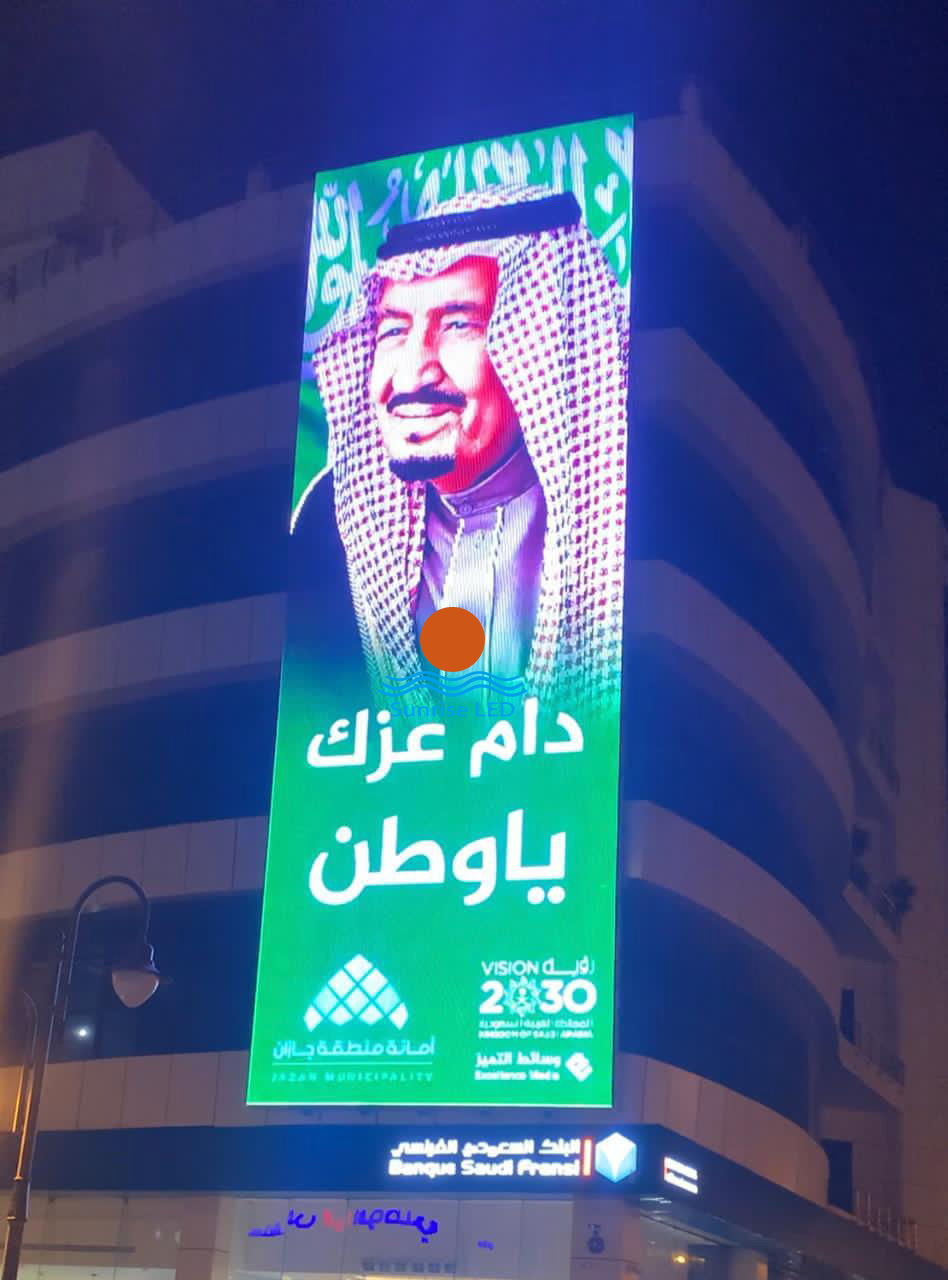
The latest project, Saudi Arabia LED MESH FACADE

The latest project, Saudi Arabia LED MESH FACADE. Ultra-high brightness, ultra-light LED display ...

Do you like ?2,584 views

Read more