news

White‑Field Balance Is More Than White Balance — White‑Field Consistency Technology for Multi‑Cabinet LED Large‑Screen Splicing

7 views admin 2026-08-21

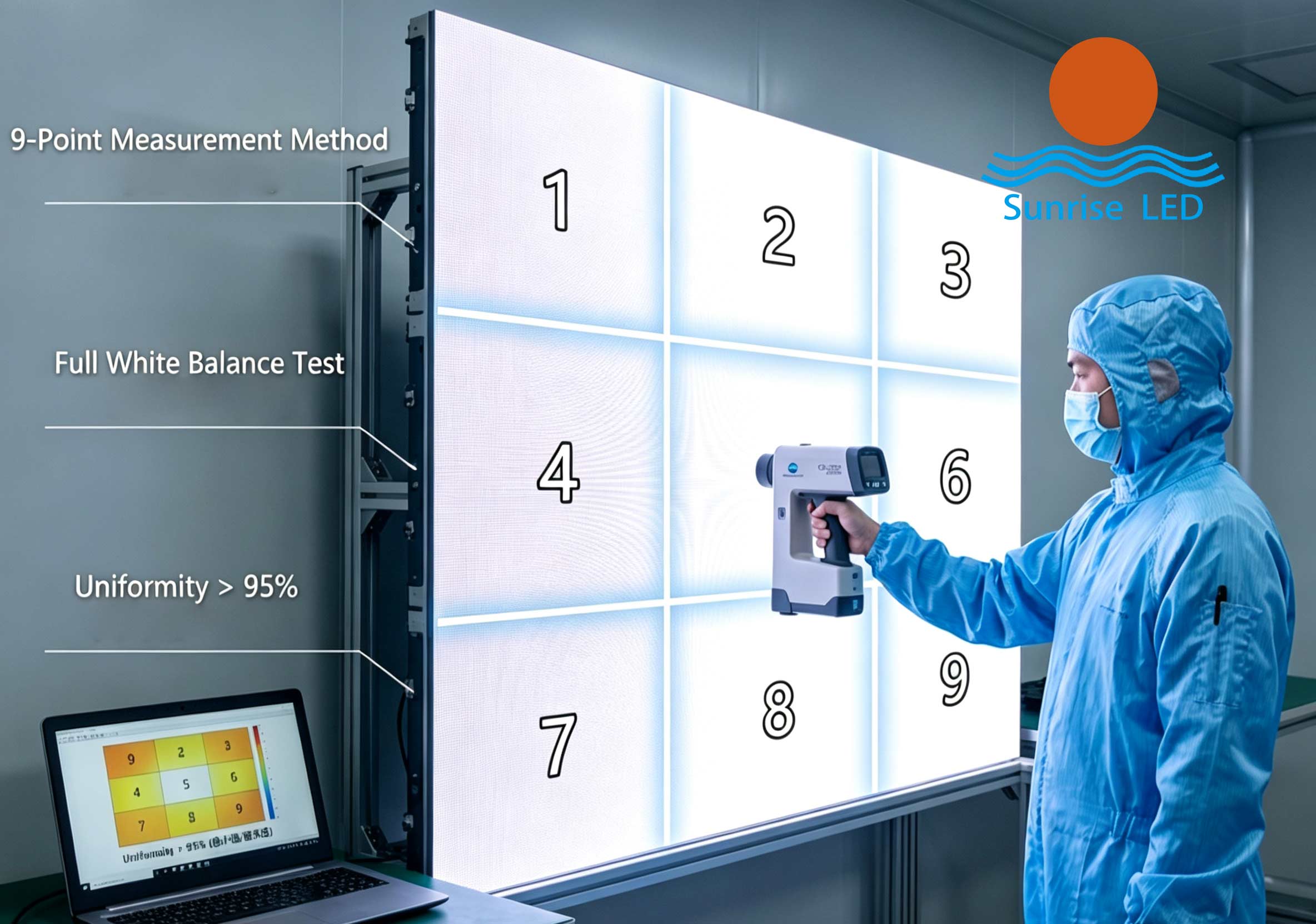
  • White Balance: Adjusting the ratio of RGB channels within a single module or single cabinet to render standard white light on‑screen. It addresses color cast on an individual screen and refers to color calibration inside one cabinet.
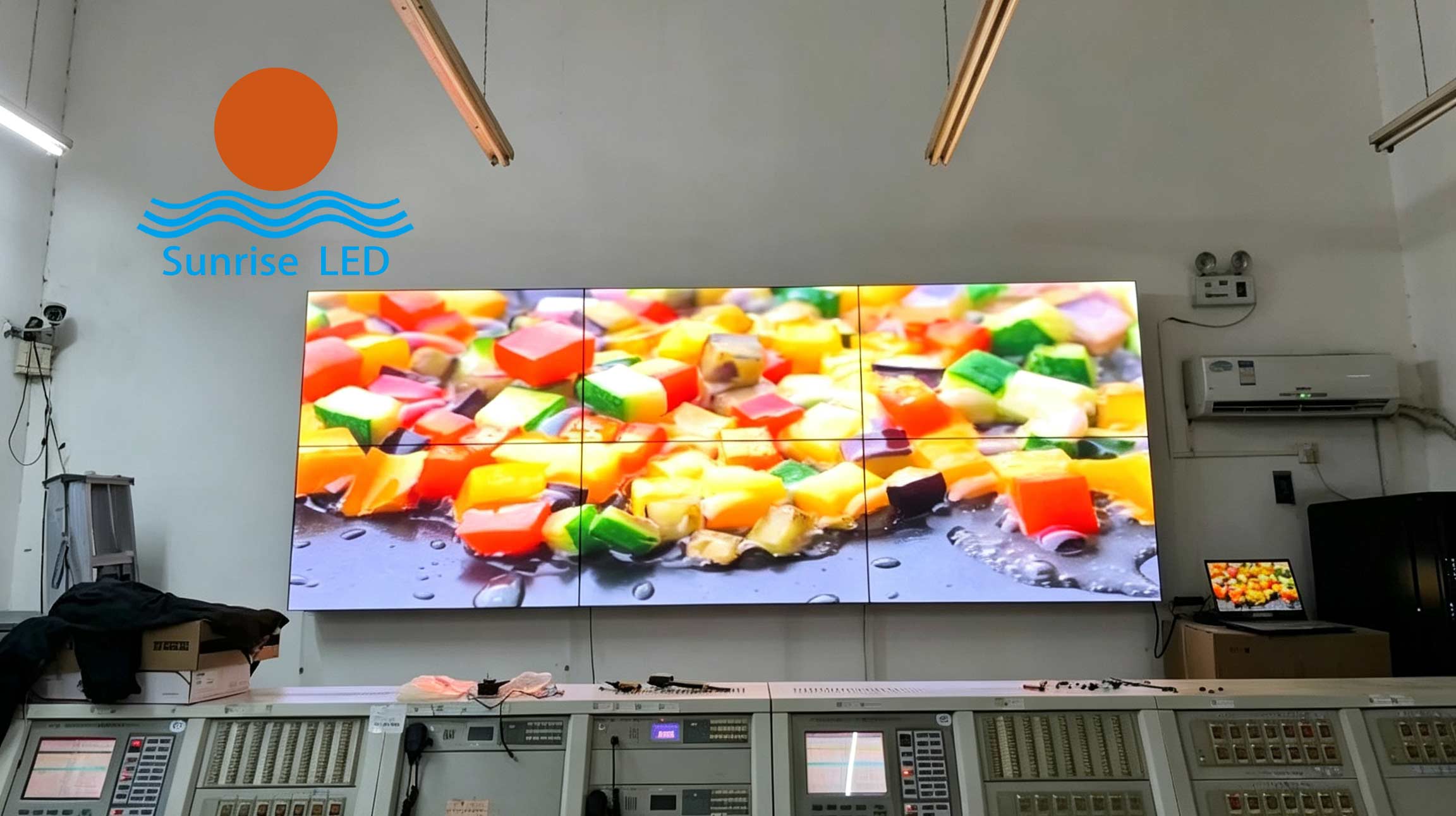
  • White‑Field Balance (Multi‑Cabinet White‑Field Consistency): Unifying white‑field luminance and chromaticity across cabinets after multiple cabinets are spliced into a complete display. Even if every cabinet has accurate white balance individually, cabinet‑like block artifacts and patchy brightness‑color differences may still appear after splicing. This stems from inconsistent white‑field performance among cabinets.
  • In simple terms: White balance ensures “no color shift within one cabinet”; white‑field balance ensures “no visible boundaries among dozens or hundreds of spliced cabinets”.
  • Root Causes of the Issue
  • 1. Component Dispersion: Even for lamp beads from the same production batch, individual discrepancies exist in luminance and chromaticity of red, green and blue LEDs. Output current deviations also occur among driver ICs. Such deviations can be suppressed by single‑cabinet calibration yet become prominent when multiple cabinets are assembled together.
  • 2. Temperature Variation: Different zones of the large screen feature dissimilar heat dissipation. Central cabinets run hotter while edge and corner cabinets stay cooler. LED lamp beads suffer luminance degradation and color‑coordinate drift with rising temperature, and cabinets degrade at different rates. The white‑field looks uniform on cold startup, yet cabinet block patterns emerge half an hour after power‑on.
  • 3.Aging Divergence: Cabinets with different production dates and service hours undergo uneven LED degradation, resulting in patchy bright‑dark areas after long‑term operation.
  • 4. Calibration Limitations: Conventional point‑by‑point calibration is mostly performed inside individual cabinets without inter‑cabinet white‑field matching. A single cabinet may deliver excellent performance in standalone testing, but cabinet seams and block‑shaped color defects surface once assembled into a full large screen.
  • Implementation Approaches for Multi‑Cabinet White‑Field Consistency
  • 1. Factory‑side Component Grading & Sorting: LED lamp beads are sorted by luminance and color‑coordinate grades. Components of identical grades are prioritized for one project to minimize deviations at the source.
  • 2. Global Unified Full‑Screen Point‑by‑Point Calibration: Instead of independent calibration per cabinet, image acquisition is carried out on the fully spliced complete screen. White‑field luminance and chromaticity of all cabinets converge toward identical target values to mitigate gradient differences between adjacent cabinets.
  • 3. Temperature‑Linked Compensation: Each cabinet is equipped with built‑in temperature sensors. RGB driving current is dynamically adjusted based on real‑time temperature to counteract temperature‑induced luminance loss and color drift, maintaining stable white‑field performance between cold and hot operating states.
  • 4. Aging Compensation Algorithm: Secondary calibration is applied during later‑stage operation and maintenance to compensate white‑field offset caused by LED aging and eliminate cabinet block artifacts from long‑time usage.
  • 5. Signal Link Equalization: The control system unifies output benchmarks for all receiver cards to avoid background color discrepancies originating from inconsistent output references of different receiver cards.
  • Practical Project Pain Points
  • In many finished projects, individual cabinets perform flawlessly under standalone testing. Once spliced, however, cabinet boundaries become visible to the naked eye under light‑gray and white backgrounds. Such block artifacts are barely noticeable on dark images but stand out prominently on light‑gray or white fields. This is a typical symptom of insufficient multi‑cabinet white‑field consistency. Many users mistake it for poor white balance and fail to resolve the problem by repeatedly tuning white‑balance parameters.

Technology | analysis of naked eye 3D display technology

At present, the naked eye 3D large screen market is hot, and 3D technology is also known as 3D di...
Do you like ?3,139 views

Read more

Sunrise’s p2.604 curved LED display lights up under the Eiffel Tower

Sunrise’s p2.604 curved LED display lights up under the Eiffel Tower     Sunri...
Do you like ?2,042 views

Read more

Sunrise LED Rocky Rental Series led display for concert

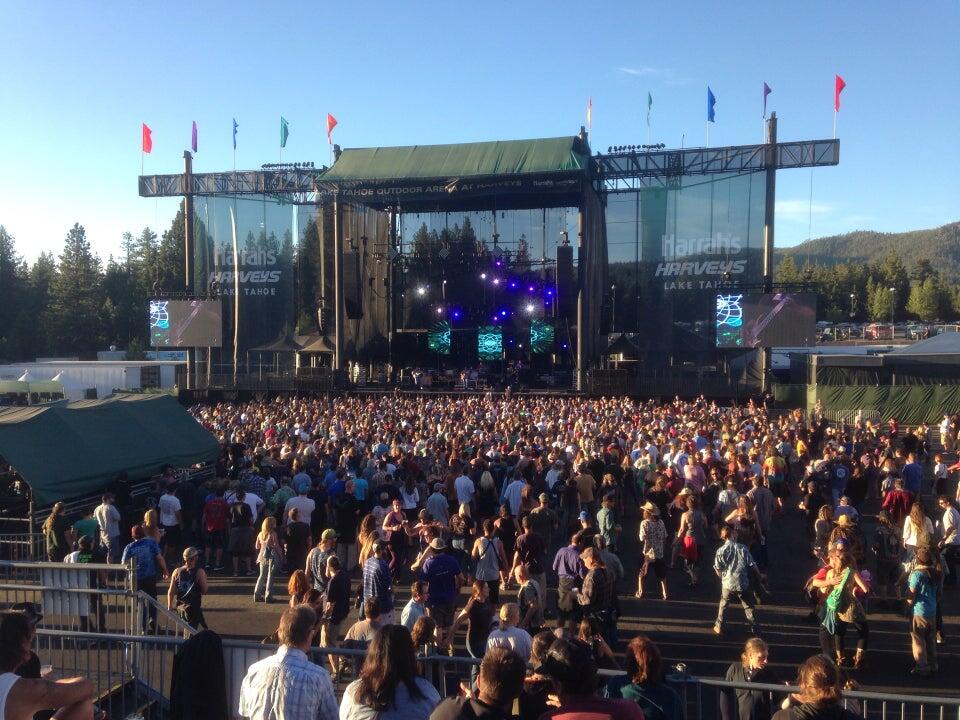
Concert activities are popular in the United States, and sunrise’s products have been wide...

Do you like ?2,652 views

Read more

Sunrise 264 square meters Galaxy 3115 series mesh led facade in Armenia

  Sunrise 264 square meters Galaxy 3115 series mesh led facade in Armenia     Sun...

Do you like ?2,017 views

Read more

Sunrise led presents awards to excellent salesmen!

Doris, as a new salesman, won three orders in two months. It’s great.   Jack, the bu...
Do you like ?1,870 views

Read more

Our new product, led grow light, PPE reaches 2.6umol/j

640w and 800W full spectrum led grow light   It can be folded for convenient transportatio...
Do you like ?2,107 views

Read more

The latest project, Saudi Arabia LED MESH FACADE

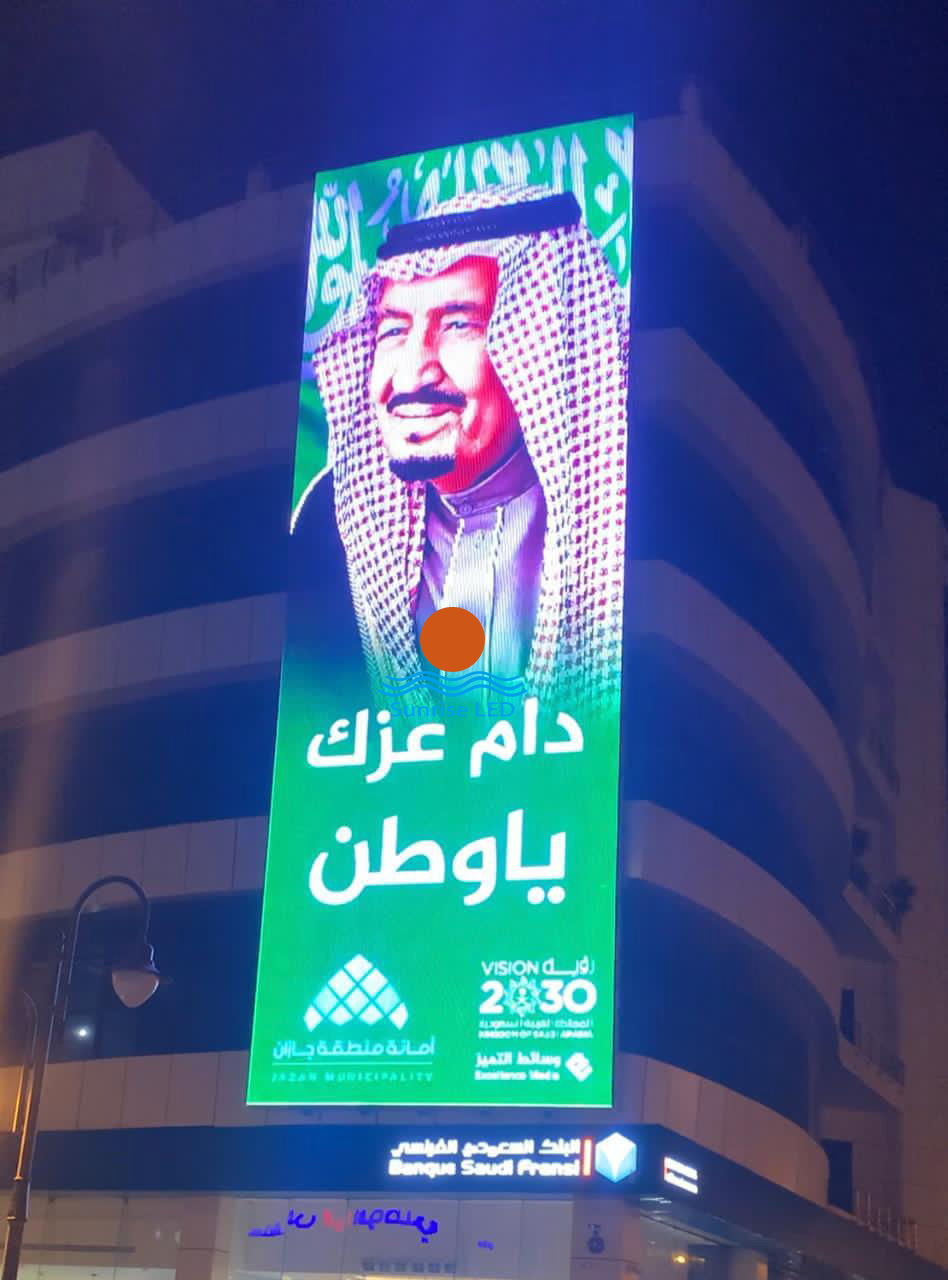
The latest project, Saudi Arabia LED MESH FACADE. Ultra-high brightness, ultra-light LED display ...

Do you like ?2,645 views

Read more