news

How to Prevent Rebound of Curved LED Screens

8 views admin 2026-04-28

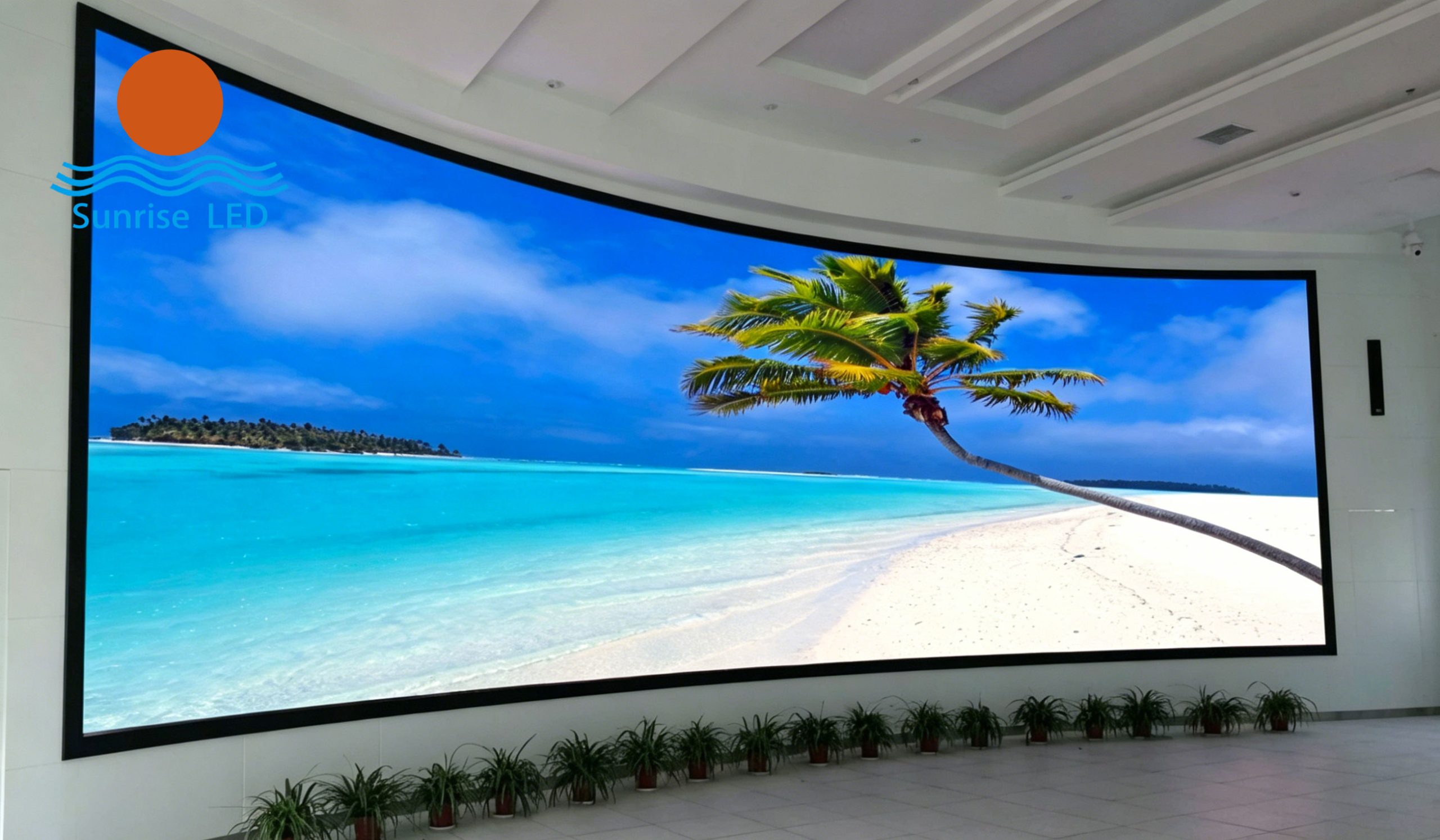
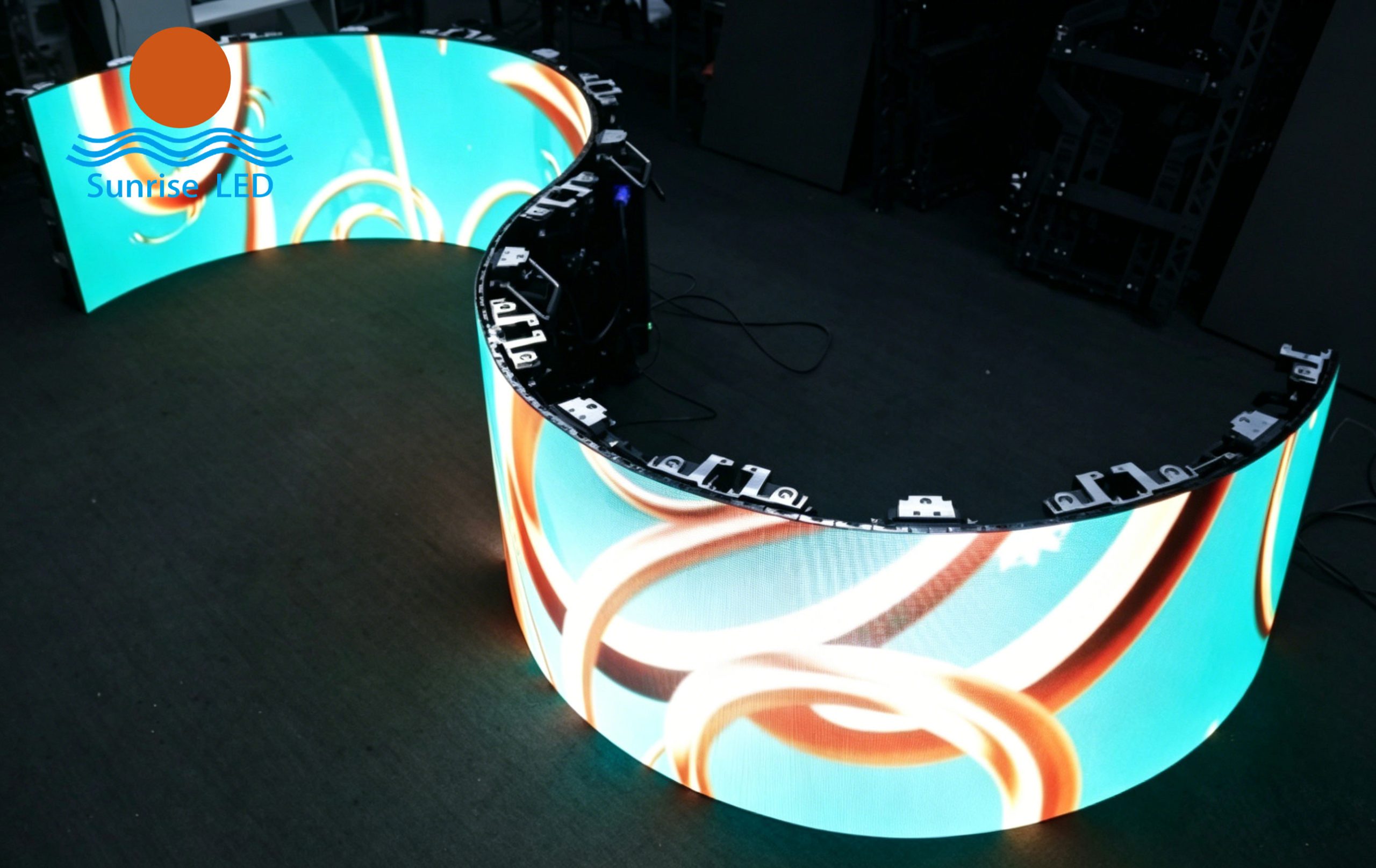
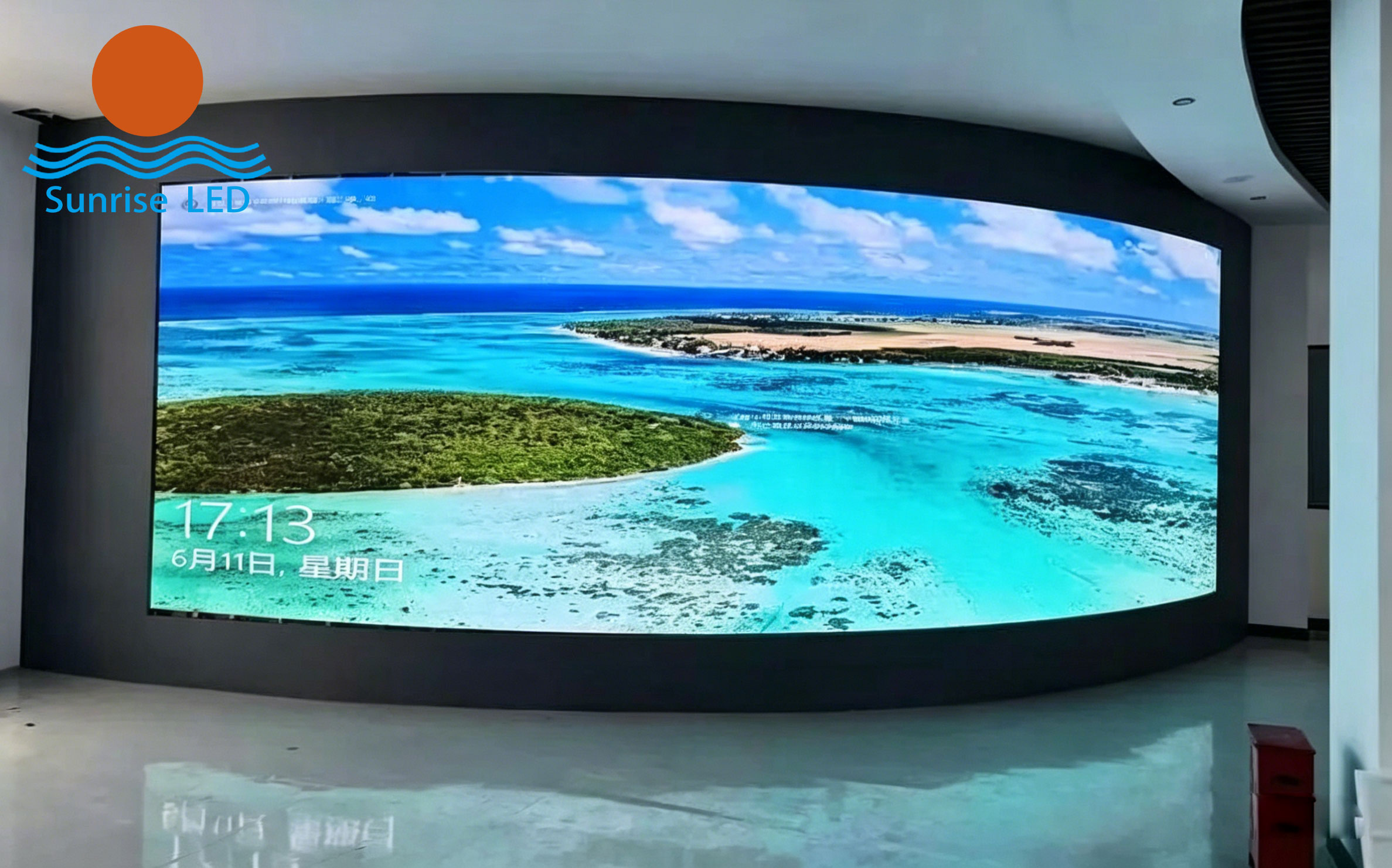
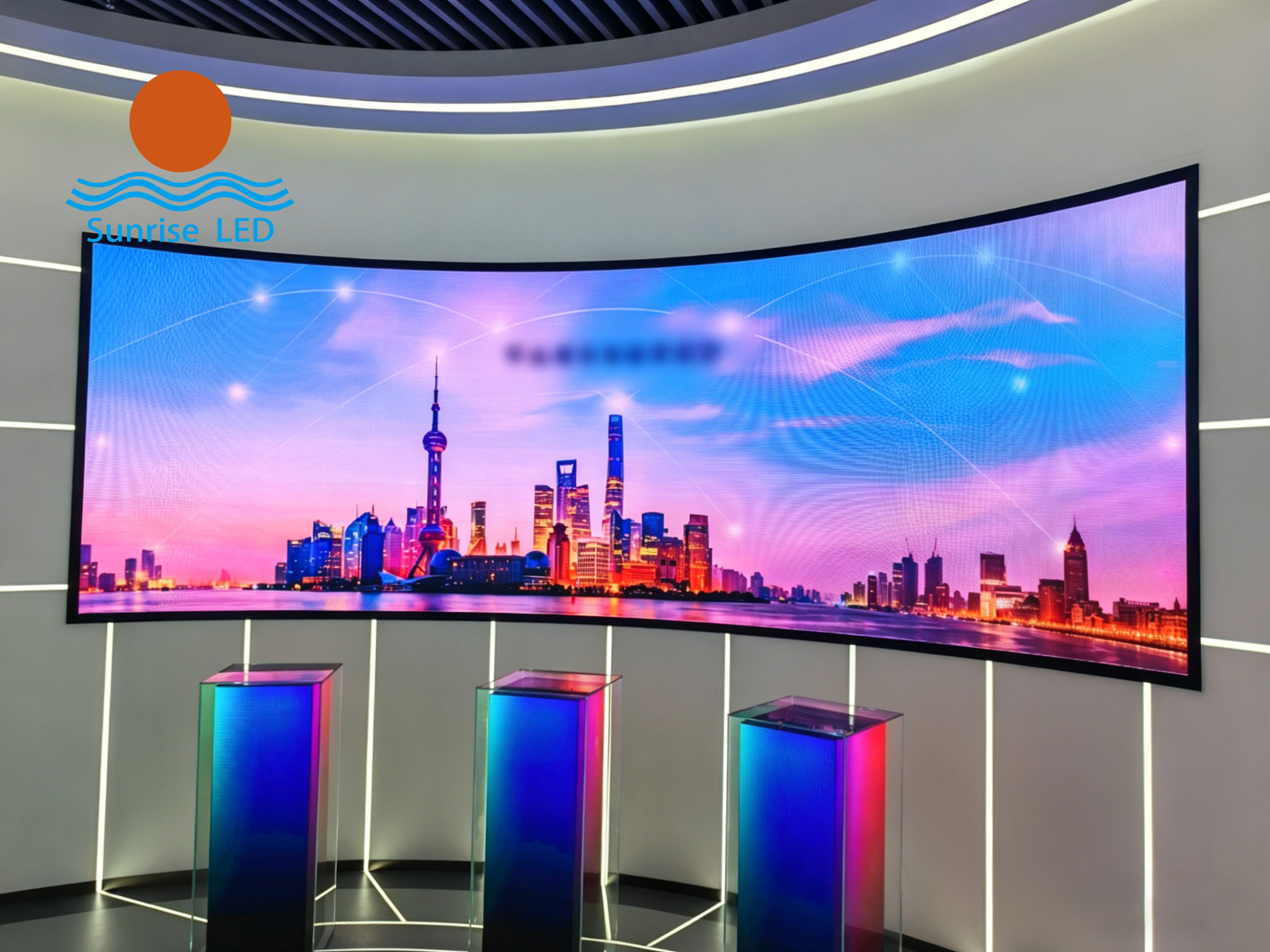
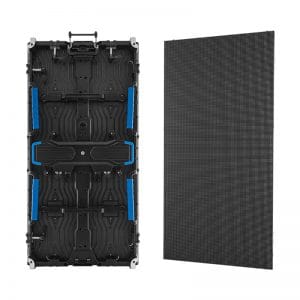
  • With the wide application of curved LED screens in cultural tourism, stage performances, commercial exhibitions and other scenarios, rebound after installation has become a common issue that affects display effects and service life. Caused mainly by material deformation, stress concentration and insecure fixation, rebound will not only result in poor fitting between the screen and the designed curved surface, but also lead to hidden troubles such as image splicing misalignment and module damage.
  • I. Structural Design: Restrain Rebound at the Source
  • 1. Optimization of Flexible Cabinet Structure
  • U-shaped connecting pieces are used to connect cabinet support blocks, allowing elastic deformation during bending while providing stable support. A composite structure combining a flexible base shell and reinforced mesh is adopted: the built-in reinforced mesh improves rigidity, and the outer flexible material adapts to curved surfaces to balance flexibility and structural stability. Custom 3D adjustable ball hinge joints enable ±0.5° angle compensation, ensuring the cabinets fit the designed curve accurately.
  • 2. Flexible Improvement of Modules
  • Elastic structures connect electronic components to release stress during bending and avoid local rebound. The segmented splicing process reduces splicing gaps, improves overall curved fitting performance and restrains edge rebound. The lamp boards are closely attached to the curved frame by magnetic adsorption, realizing adaptive radian adjustment for individual lamp boards.
  • II. Material Selection: The Key to Matching Curved Surface Performance 
  • 1. Main Frame Materials
  • Aerospace-grade aluminum alloy is the preferred option, featuring a tensile strength ≥ 205 MPa, yield strength ≥ 170 MPa, and permanent deformation less than 0.02% when the bending radius ≥ 300 mm. Carbon fiber composite materials are lightweight and highly rigid, ideal for large-curvature curved screens. Custom flexible silicone bottom shells enhance module flexibility, with dual fixation by copper column welding and adhesive-locked iron bases.
  • 2. Bonding & Fixing Materials
  • Special anti-rebound tape with high adhesion and shockproof foam base can disperse rebound force, suitable for frame bonding and module fixing. Optical thermoplastic adhesive film creates molecular-level bonding without rebound gaps after lamination, perfectly for fitting flexible screens to curved substrates. High-elastic sealant retains elasticity after curing to absorb deformation stress, applicable for splicing gap filling and edge sealing.
  • III. Installation Process: Precise Fixation for Anti-Rebound
  • 1. Pre-installation Preparation
  • Before installation, pre-bend modules according to the designed radian and place them statically for 24 to 48 hours to help materials adapt to deformation and reduce subsequent rebound. A 3D scanner is applied to build an accurate curved model to ensure error-free installation benchmarks.
  • 2. Segmented Installation and Calibration
  • Adopt a top-down installation method: fix the top units first and install downwards step by step, using gravity to assist curved fitting. After installing each row of modules, test the flatness with professional equipment and adjust deviations in a timely manner. Apply sufficient pressure of 0.3–0.5 MPa during fitting with a pressing time of no less than 30 minutes. Subsequent procedures can only be carried out after full curing at room temperature.
  • 3. Multi-point Fixation Strategy
  • Reinforced magnets (single magnet magnetic flux: 2000 GS) combined with screw fastening prevent corner warping. Curved screens are equipped with no fewer than 5 support points per meter to ensure uniform stress and avoid partial rebound. Invisible buckles are installed on module edges for automatic locking during splicing to strengthen overall structural stability.
  • IV. Stress Relief & Auxiliary Anti-Rebound Measures
  • 1. Stress Dispersion Technology
  • Micro folds are designed in areas with sharp curvature changes to absorb deformation energy and reduce rebound force. Recessed structures are reserved on support components to provide buffer space for curved deformation. Multi-layer thin support structures replace single-layer thick supports to enhance deformation adaptability.
  • 2. Auxiliary Fixing Devices
  • Special curved shaping clamps are used for 24-hour fixing after installation to help the screen maintain its curved shape permanently. Elastic pressure strips are installed along the curve to deliver continuous and uniform pressure and suppress rebound. The water guide and sealing structure solves waterproofing and rebound problems simultaneously; the cured sealant also forms rigid support.
  • V. Post-maintenance and Inspection
  • Regularly detect the stress distribution of the screen with strain gauges and adjust fixing points timely. Fine-tune the fastening pressure according to ambient temperature changes to compensate for rebound risks caused by material thermal expansion and cold contraction. Reinforce local structures in rebound-prone areas such as sharp curvature transitions and increase the density of support points.
  • Core Summary
  • Prioritize structural design: adopt flexible structures and segmented connection to balance flexibility and stability; Optimize material matching: aerospace aluminum alloy and anti-rebound tape balance structural strength and adhesive performance; Standardize installation: realize pre-bending shaping, segmented calibration and gradual pressurization to guarantee perfect curved fitting; Optimize stress relief: fold design and buffer structures reduce the driving force of rebound; Adopt dual fixation: combine magnetic attraction, mechanical locking and fixture shaping to build a comprehensive anti-rebound system.
  • The above methods can effectively solve the rebound problem of curved LED screens after installation, ensuring the screen maintains the designed radian for long-term use and delivers smooth and natural display images.
  • Preventing rebound of curved LED screens is a systematic solution. The core lies in releasing stress through scientific structural design, consolidating quality with matched materials, realizing precise fixation via standardized installation processes, and conducting regular daily maintenance. Only in this way can the rebound challenge be fundamentally resolved.

Technology | analysis of naked eye 3D display technology

At present, the naked eye 3D large screen market is hot, and 3D technology is also known as 3D di...
Do you like ?2,810 views

Read more

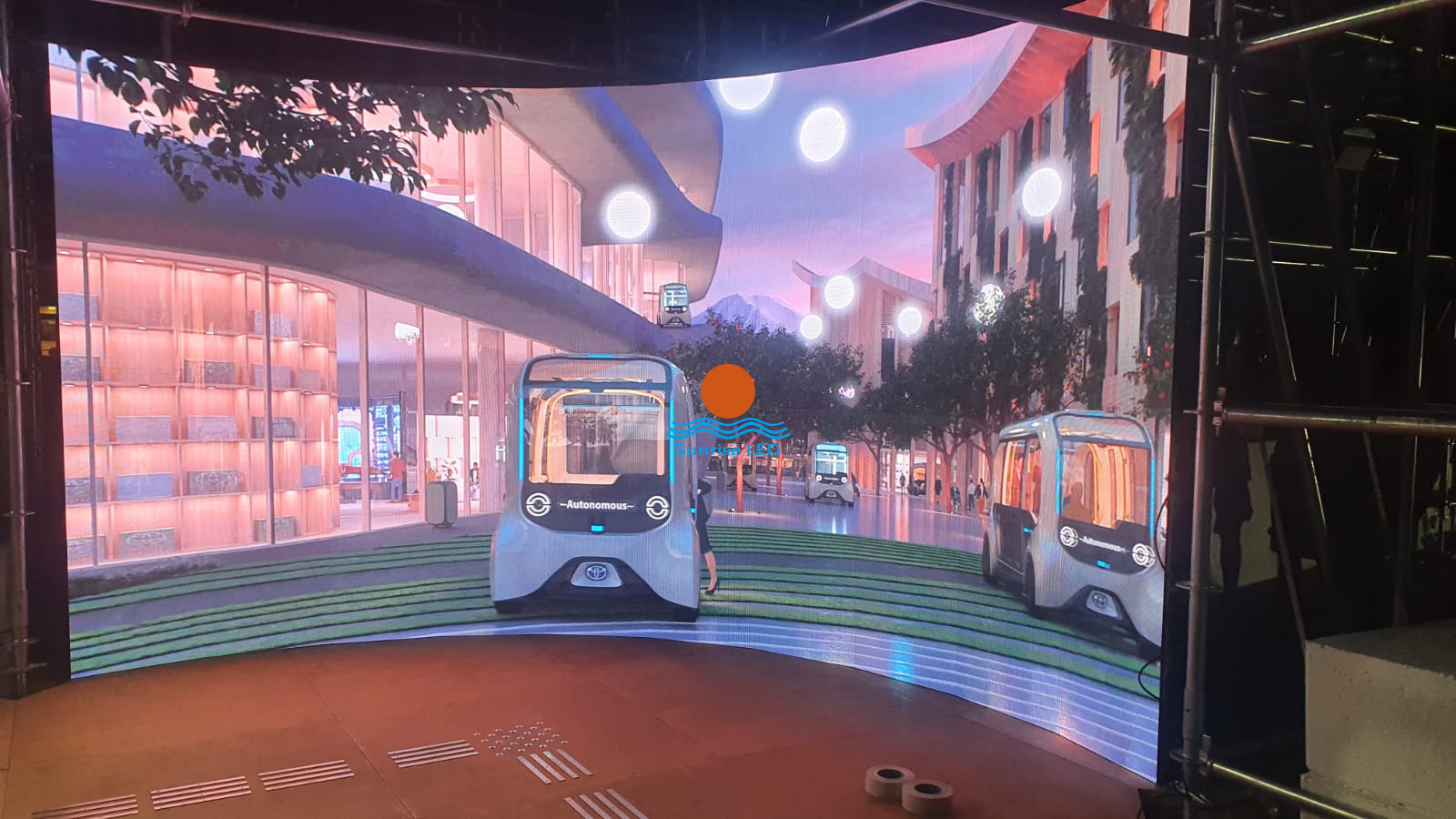
Sunrise’s p2.604 curved LED display lights up under the Eiffel Tower

Sunrise’s p2.604 curved LED display lights up under the Eiffel Tower     Sunri...
Do you like ?1,801 views

Read more

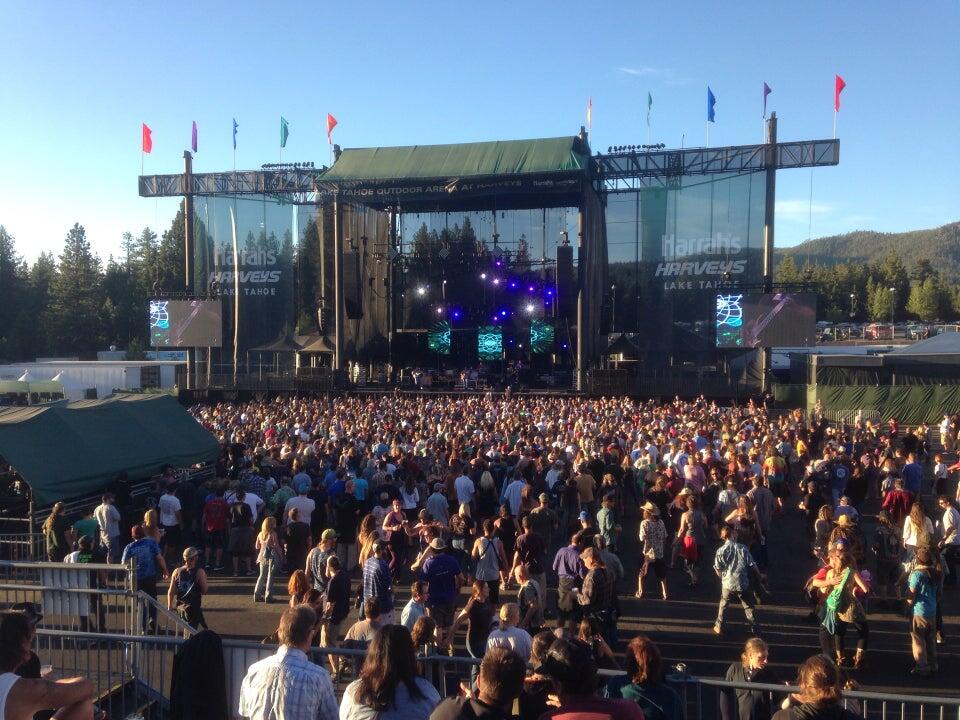
Sunrise LED Rocky Rental Series led display for concert

Concert activities are popular in the United States, and sunrise’s products have been wide...
Do you like ?2,371 views

Read more

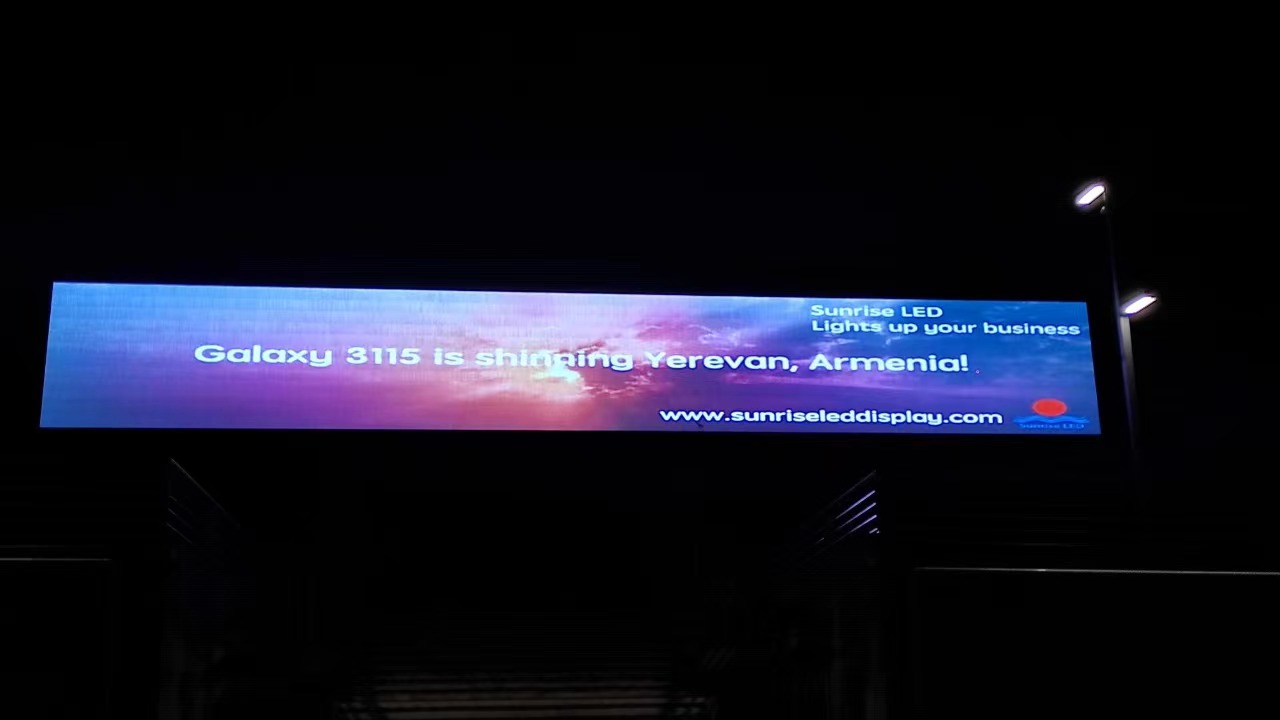
Sunrise 264 square meters Galaxy 3115 series mesh led facade in Armenia

  Sunrise 264 square meters Galaxy 3115 series mesh led facade in Armenia     Sun...
Do you like ?1,792 views

Read more

Sunrise led presents awards to excellent salesmen!

Doris, as a new salesman, won three orders in two months. It’s great.   Jack, the bu...
Do you like ?1,602 views

Read more

Our new product, led grow light, PPE reaches 2.6umol/j

640w and 800W full spectrum led grow light   It can be folded for convenient transportatio...
Do you like ?1,833 views

Read more

The latest project, Saudi Arabia LED MESH FACADE

The latest project, Saudi Arabia LED MESH FACADE. Ultra-high brightness, ultra-light LED display ...

Do you like ?2,372 views

Read more