news

How to Choose Outdoor LED Displays? Core Differences Between Conventional Waterproof Screens and Waterproof Transparent Screens

7 views admin 2026-09-24
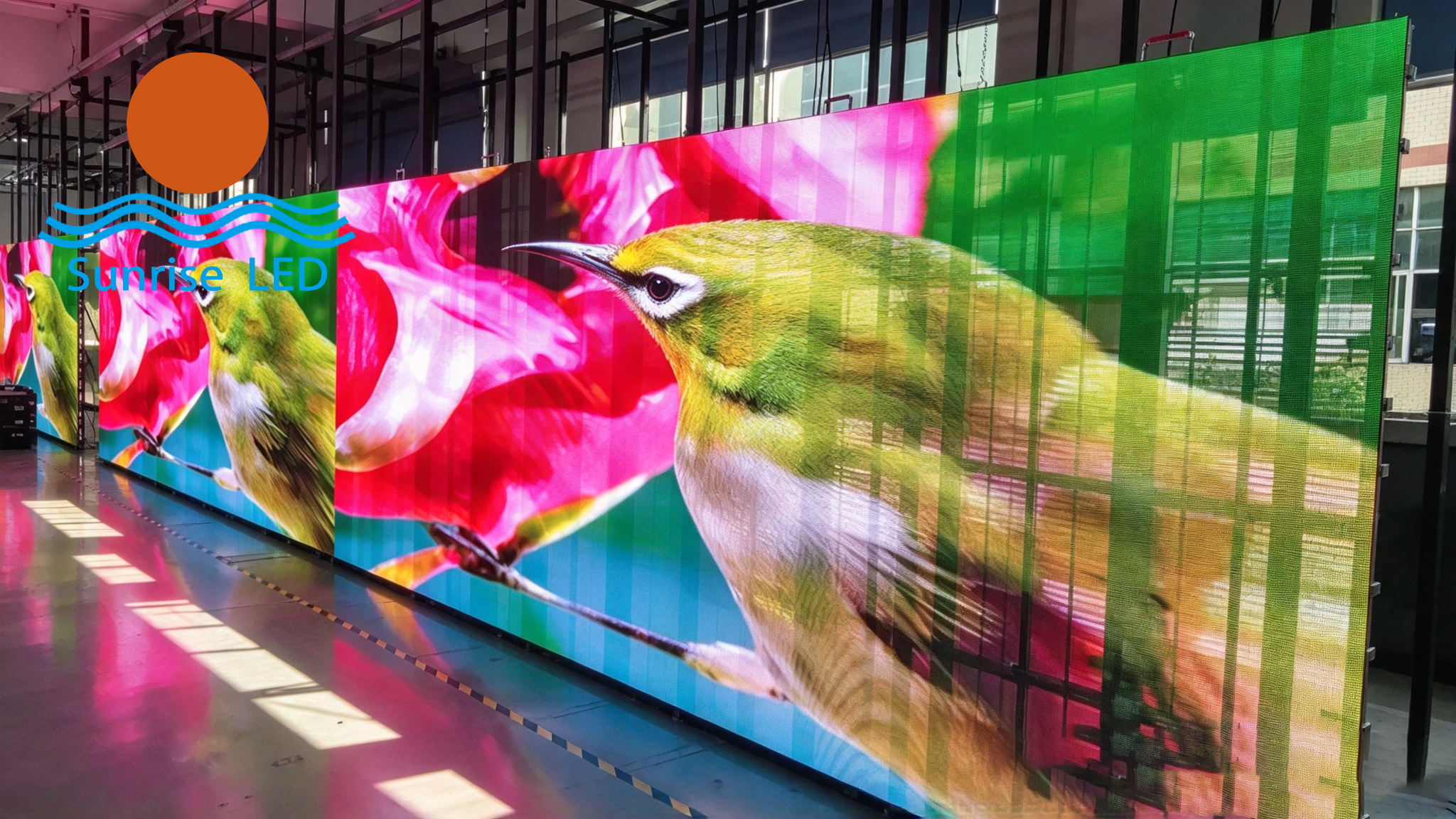
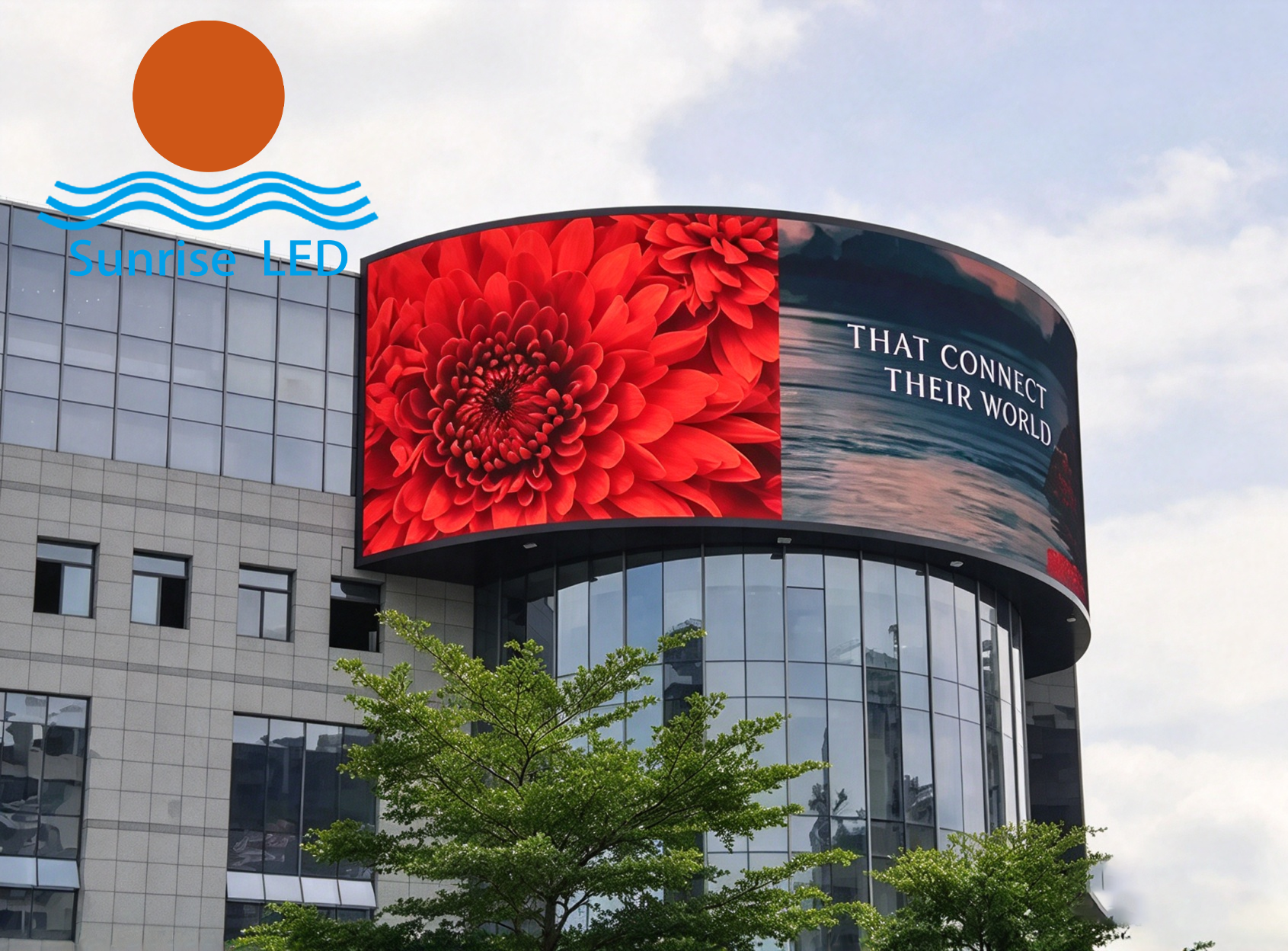
  • How to choose between conventional outdoor waterproof screens and transparent screens? The former offers better image quality but blocks daylight and requires high load-bearing capacity; the latter is transparent, lightweight, energy-efficient, and easy to maintain, especially suitable for glass curtain wall retrofits. The core difference lies in installation scenario requirements—choose conventional screens for solid walls where image quality is paramount, and transparent screens for transparent buildings.
 
  • As urban facade lighting and digital upgrading of commercial shop windows accelerate, outdoor LED display applications continue to expand. Many project owners wonder at the planning stage: both meet outdoor IP65 waterproof requirements, so should they choose traditional outdoor conventional waterproof LED screens or outdoor waterproof transparent screens, which have become popular in curtain wall projects in recent years? The two differ significantly in applicable scenarios, structural characteristics, and long-term operation and maintenance costs. Only by choosing the right product can you balance effect, safety, and budget.
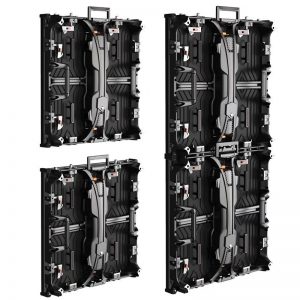
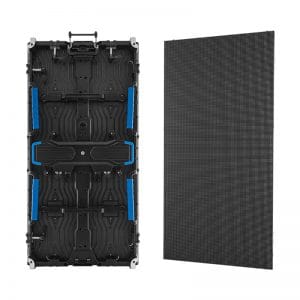
  • From the basic structure, the two are fundamentally different. Conventional outdoor waterproof screens use a closed sheet metal cabinet design, fully sealed with zero light transmission. The whole set of equipment generally weighs 25–45 kg/m², with no hollow areas on the panel and a high wind resistance coefficient. Their advantages are high contrast, true black images, and strong color performance, making them suitable for solid walls, outdoor column billboards, and other scenarios where rear lighting does not need to be preserved.
 
  • However, the closed structure also brings unavoidable shortcomings: the screen completely blocks the building's view and natural light. If installed on glass curtain walls or street-facing shop windows, it directly affects indoor daylighting. The heavy cabinet imposes high load-bearing requirements on the building; high-rise projects require heavy steel structures, greatly increasing civil engineering costs. Poor heat dissipation in the enclosed space means large-area projects often need air-conditioning for auxiliary cooling, continuously raising long-term electricity costs. A dedicated maintenance access must also be reserved behind the screen, occupying building space.
 
  • In contrast, outdoor waterproof transparent screens use a hollow light-bar module structure, with transparency rates generally reaching 40%–85%. They are also the preferred solution for glass curtain walls and commercial facade renovation projects.
 
  • First, stronger building compatibility. The highly hollow design ensures natural light can pass through normally and does not block indoor daylighting. When the screen is off, it is visually nearly invisible, preserving the building's original facade design to the greatest extent. It perfectly meets the aesthetic needs of modern commercial buildings and office building curtain walls, avoiding the heavy and abrupt look of traditional large screens.
 
  • Second, lightweight and high safety. Outdoor waterproof transparent screens weigh only 8–18 kg/m², far lower than conventional waterproof screens. The hollow ventilation structure effectively reduces wind load, offering outstanding safety advantages in high-rise and coastal typhoon-prone environments. For many old curtain wall renovation projects, installation conditions can be met without large-scale reinforcement of the original frame, reducing steel structure costs and construction time.
 
  • Heat dissipation and energy consumption also differ significantly. Conventional waterproof screens rely on closed cabinets with fans and air conditioning for heat dissipation, resulting in high power consumption. In contrast, waterproof transparent screens use an open structure for natural convection cooling, requiring no additional refrigeration equipment. At the same brightness, power consumption is reduced by 25%–40% compared with conventional screens, saving considerable electricity costs over years of operation.
 
  • In terms of protection performance, qualified outdoor waterproof transparent screens achieve IP65 waterproof and dustproof performance through integrated glue potting of light bars. Combined with UV-resistant and salt-spray-resistant components, they can adapt to complex outdoor environments such as heavy rain, sunlight, and coastal humidity. Modular independent light bars support front maintenance. In most scenarios, no rear maintenance access is required. A single module failure can be replaced individually, making maintenance more convenient.
  • Of course, neither product is absolutely superior; the key lies in the application scenario.
 
  • ✅ Suitable for conventional outdoor waterproof screens: solid exterior walls, plaza large screens, roadside column advertising, where ultimate image contrast is the priority and there is no daylighting or view requirement at the installation position.
 
  • ✅ Suitable for outdoor waterproof transparent screens: glass curtain walls of commercial complexes, street-facing shop windows of 4S stores, office building facades, cultural tourism building lighting, and facade upgrades of existing buildings, where display effect, building daylighting, and facade aesthetics must be balanced.
 
  • At present, more and more urban renewal and commercial renovation projects tend to use waterproof transparent screens to create media facades. How to balance transparency, brightness, waterproof rating, and project budget is the key to scheme design. Shenzhen Delifeng Optoelectronics Co., Ltd. has been deeply engaged in the field of outdoor waterproof transparent display for many years, providing standardized and custom-shaped solutions for curtain walls, shop windows, and other outdoor scenarios, balancing transparency, outdoor weather resistance, and long-term operation stability, and providing feasible implementation ideas for various facade digitalization projects.
 
  • Finally, a simple summary of selection: if the installation carrier is a solid wall and ultimate image quality is pursued, conventional waterproof screens can be chosen; if it is a transparent building structure such as a glass curtain wall or shop window, and you want to balance daylighting, architectural aesthetics, and long-term operating costs, outdoor waterproof transparent screens will be a more forward-looking solution.
   

Technology | analysis of naked eye 3D display technology

At present, the naked eye 3D large screen market is hot, and 3D technology is also known as 3D di...
Do you like ?3,213 views

Read more

Sunrise’s p2.604 curved LED display lights up under the Eiffel Tower

Sunrise’s p2.604 curved LED display lights up under the Eiffel Tower     Sunri...
Do you like ?2,093 views

Read more

Sunrise LED Rocky Rental Series led display for concert

Concert activities are popular in the United States, and sunrise’s products have been wide...
Do you like ?2,715 views

Read more

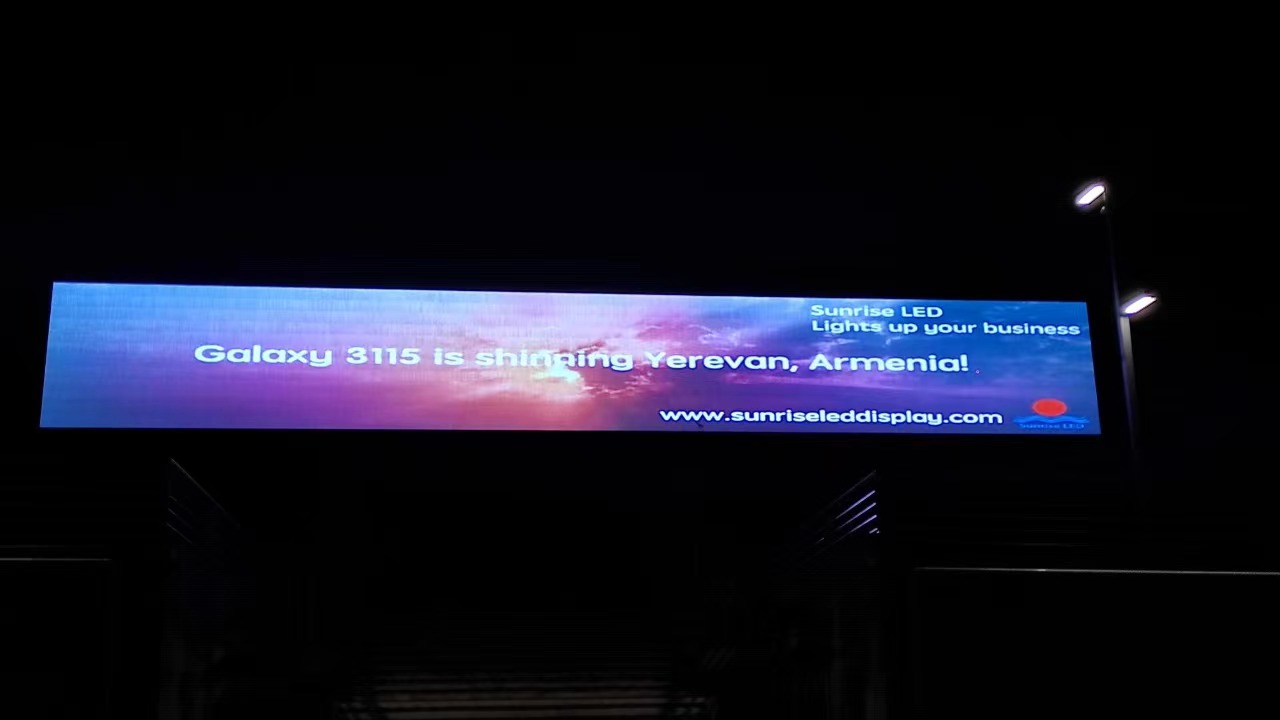
Sunrise 264 square meters Galaxy 3115 series mesh led facade in Armenia

  Sunrise 264 square meters Galaxy 3115 series mesh led facade in Armenia     Sun...
Do you like ?2,063 views

Read more

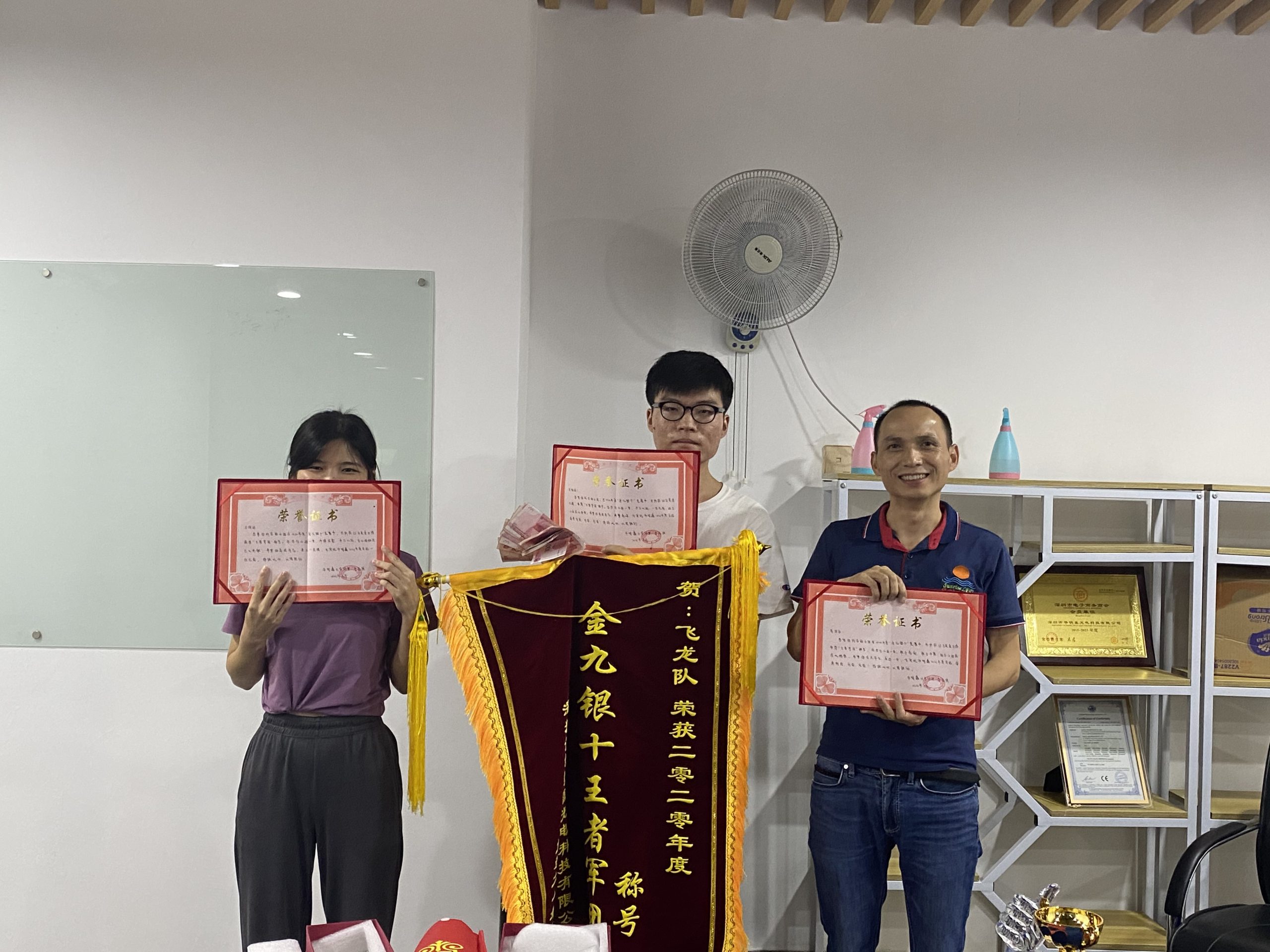
Sunrise led presents awards to excellent salesmen!

Doris, as a new salesman, won three orders in two months. It’s great.   Jack, the bu...
Do you like ?1,914 views

Read more

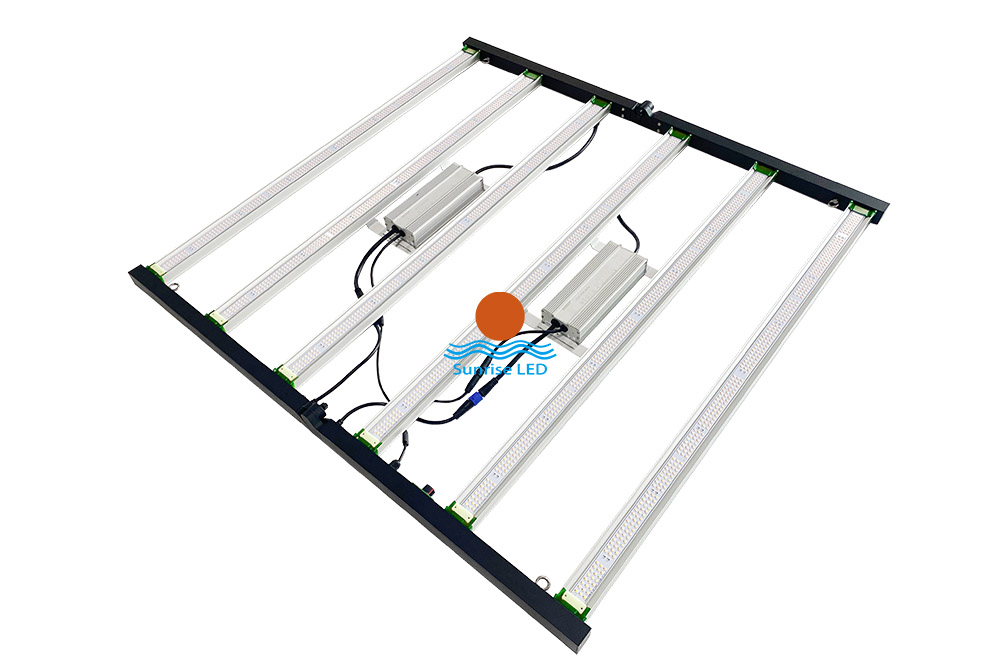
Our new product, led grow light, PPE reaches 2.6umol/j

640w and 800W full spectrum led grow light   It can be folded for convenient transportatio...
Do you like ?2,151 views

Read more

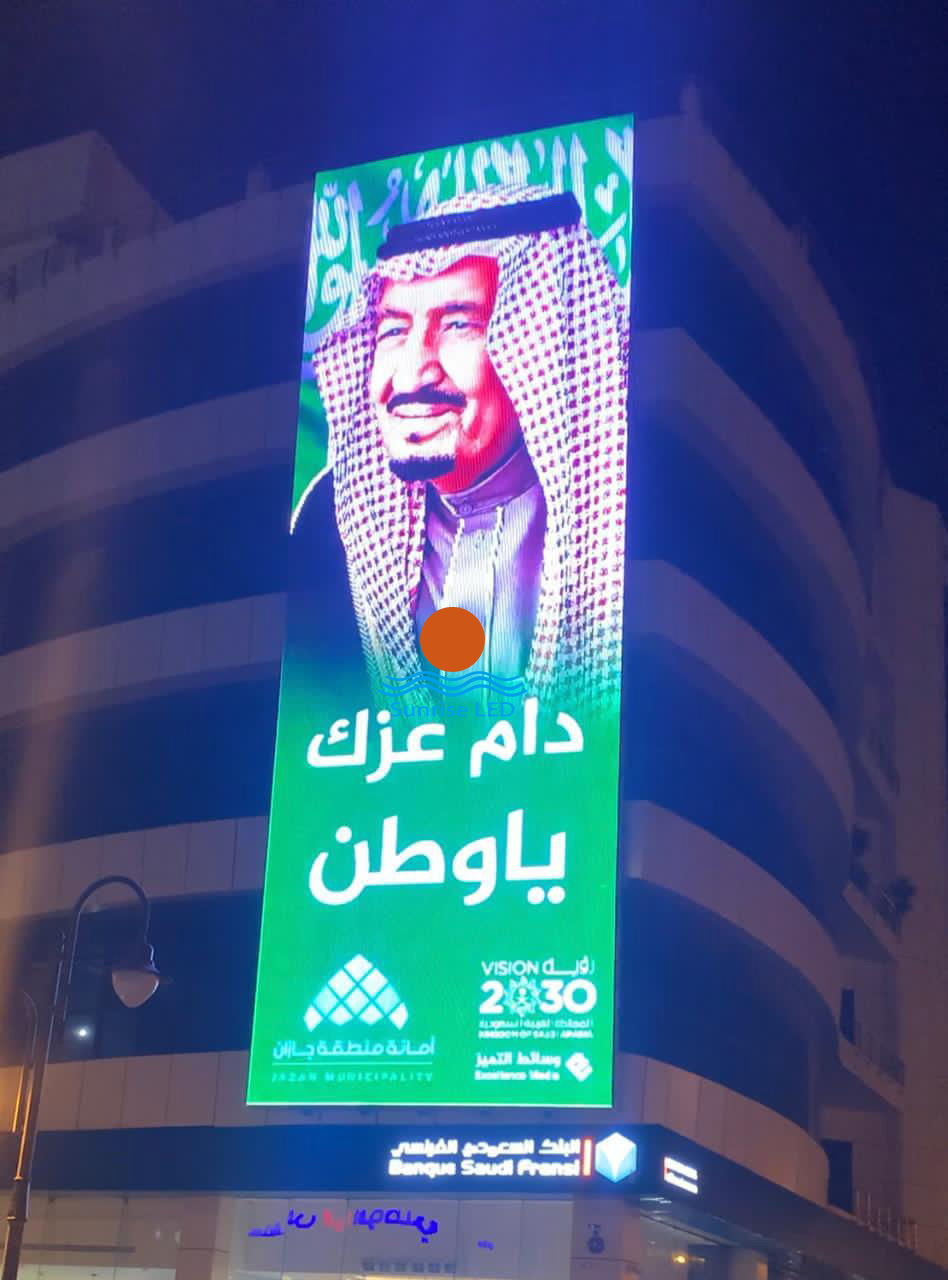
The latest project, Saudi Arabia LED MESH FACADE

The latest project, Saudi Arabia LED MESH FACADE. Ultra-high brightness, ultra-light LED display ...

Do you like ?2,692 views

Read more