news

Why Should LED Screens Not Display Full-Screen Pure White for Long Periods?

2 views admin 2026-11-06
  • Displaying a full-screen pure white image for an extended duration is not recommended for LED screens. The core reason is that a full-screen pure white display represents an "extreme state" in terms of power consumption, electrical current, and heat generation. In this state, nearly all red, green, and blue (RGB) LED pixels operate simultaneously at maximum brightness, placing immense strain on the screen’s power supply, thermal management system, and the LED components themselves.
  • Peak Power Consumption and Current
 
  • When an LED screen displays color content, not all RGB pixels are illuminated at full intensity simultaneously. However, to produce white light, the red, green, and blue components must all be lit at high brightness levels.
 
  • Consequently, a full-white image causes the screen’s instantaneous power consumption and total current to approach—or even reach—their maximum design limits (peak power consumption). Many maintenance manuals explicitly advise against displaying a full-white image at maximum brightness for more than half an hour; this precaution is intended to prevent excessive current from causing power cables to overheat or damaging the LED components.
  • In extreme cases, the stress from excessive current may even exceed the safe operating limits for the LEDs.
 
  • Heat Accumulation and Accelerated Luminous Decay
 
  • High current inevitably leads to high heat. Heat is the "number one enemy" of LEDs, as it accelerates luminous decay—a permanent reduction in brightness.
 
  • A full-white image turns every pixel into a heat source, causing the temperature of the display unit to rise rapidly. If the thermal design or ambient ventilation is inadequate, this high temperature will continue to accumulate.
 
  • When LED components operate at high temperatures for long periods, the degradation of their semiconductor materials accelerates significantly. Research has confirmed that the combined stress of high current and high temperature leads to a marked decline in an LED's light output.
 
  • Strain on the Power Supply System
 
  • The massive current required for a full-white display also places a heavy burden on the screen’s power supply system and electrical distribution wiring. This is why operational guidelines often advise against powering on the screen while it is set to display a full-white image; the inrush current during system startup is at its highest in this state, which could potentially overload the power distribution system. Repeated exposure to such peak loads over time accelerates the aging of power modules and cables, thereby increasing the risk of equipment failure. Differential Aging and the Risk of "Ghosting"
 
  • Even with effective heat dissipation, displaying a static, full-white image for an extended period poses risks. An LED screen consists of millions of individual red, green, and blue light-emitting diodes (LEDs), which may vary slightly in their luminous efficiency and rate of degradation.
 
  • When all these LEDs operate at full capacity for a long time, differences in brightness decay—arising from variations in color or production batches—become more pronounced. This can lead to a shift in the screen’s white balance (causing the white to take on an unintended tint) or result in "ghosting" (image retention) or "burn-in." Such damage is typically irreversible.
  • Summary
 
  • Displaying a full-white screen is not strictly "prohibited," but it does represent the extreme operating limit of an LED display. While short-term use (ranging from a few minutes up to half an hour) generally falls within the design's tolerance, prolonged exposure forces all core components—the LEDs, power supply, and driver ICs—to remain in a state of "maximum-load exertion." This significantly accelerates aging, shortens the screen's overall lifespan, and increases the risk of hardware failure.
 
  • This is precisely why professional usage guidelines for LED screens consistently recommend prioritizing dynamic, color-rich content and avoiding the prolonged display of static, full-white images.
   

Technology | analysis of naked eye 3D display technology

At present, the naked eye 3D large screen market is hot, and 3D technology is also known as 3D di...
Do you like ?3,312 views

Read more

Sunrise’s p2.604 curved LED display lights up under the Eiffel Tower

Sunrise’s p2.604 curved LED display lights up under the Eiffel Tower     Sunri...
Do you like ?2,161 views

Read more

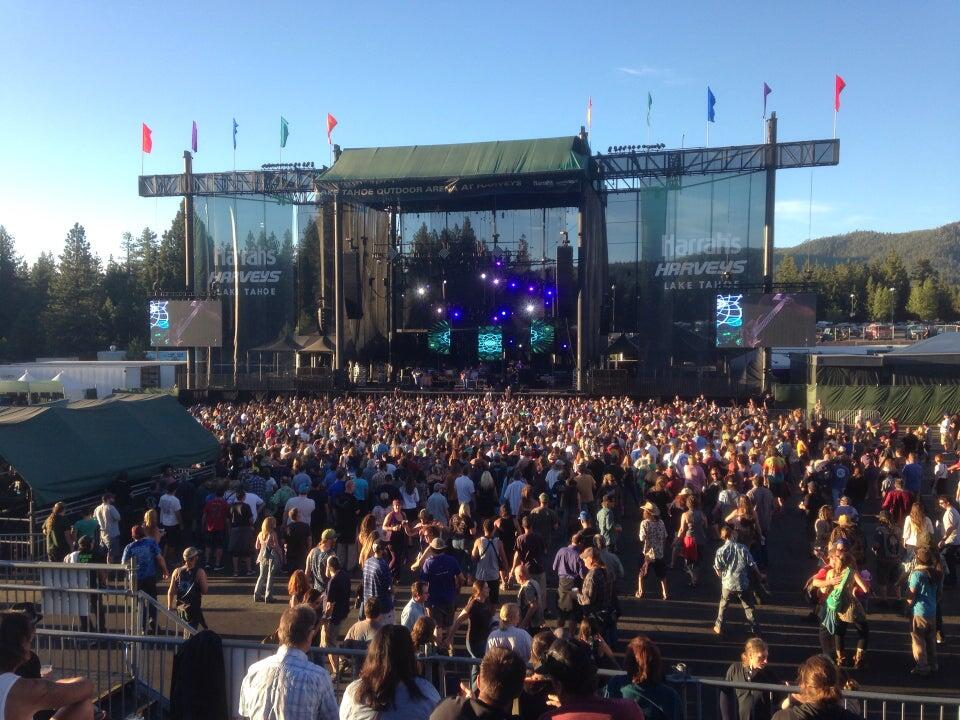
Sunrise LED Rocky Rental Series led display for concert

Concert activities are popular in the United States, and sunrise’s products have been wide...
Do you like ?2,831 views

Read more

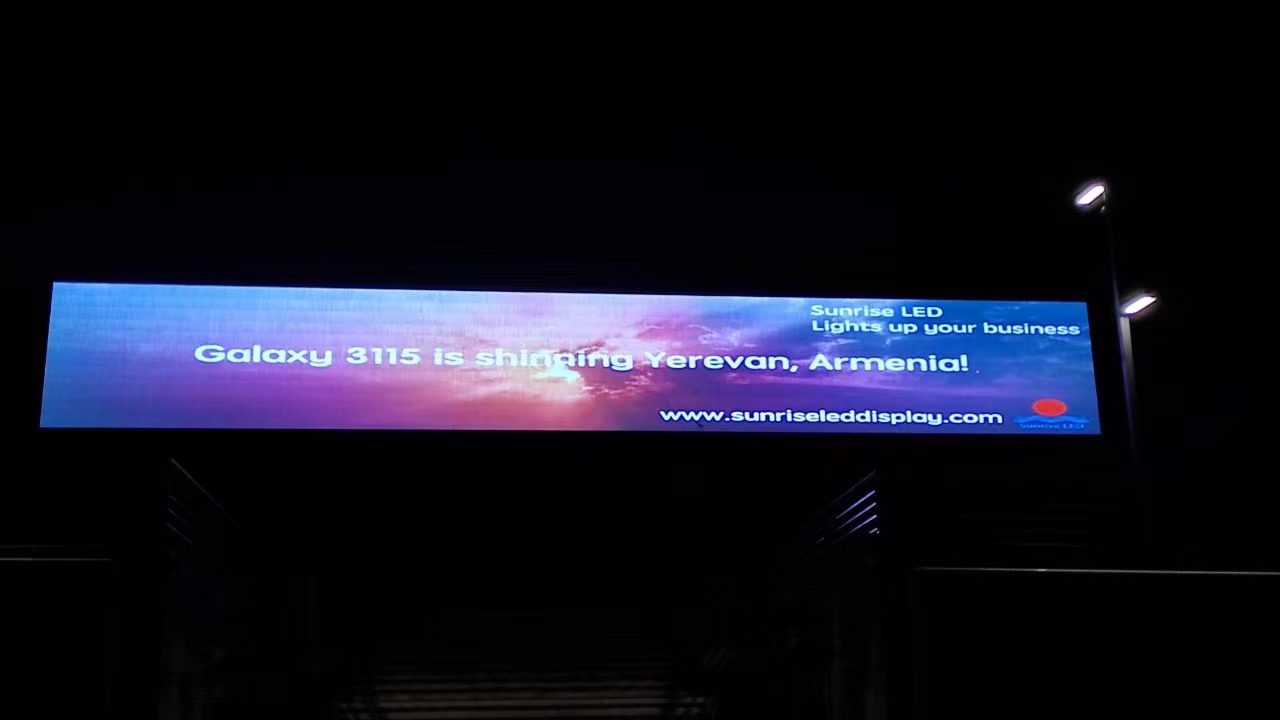
Sunrise 264 square meters Galaxy 3115 series mesh led facade in Armenia

  Sunrise 264 square meters Galaxy 3115 series mesh led facade in Armenia     Sun...
Do you like ?2,118 views

Read more

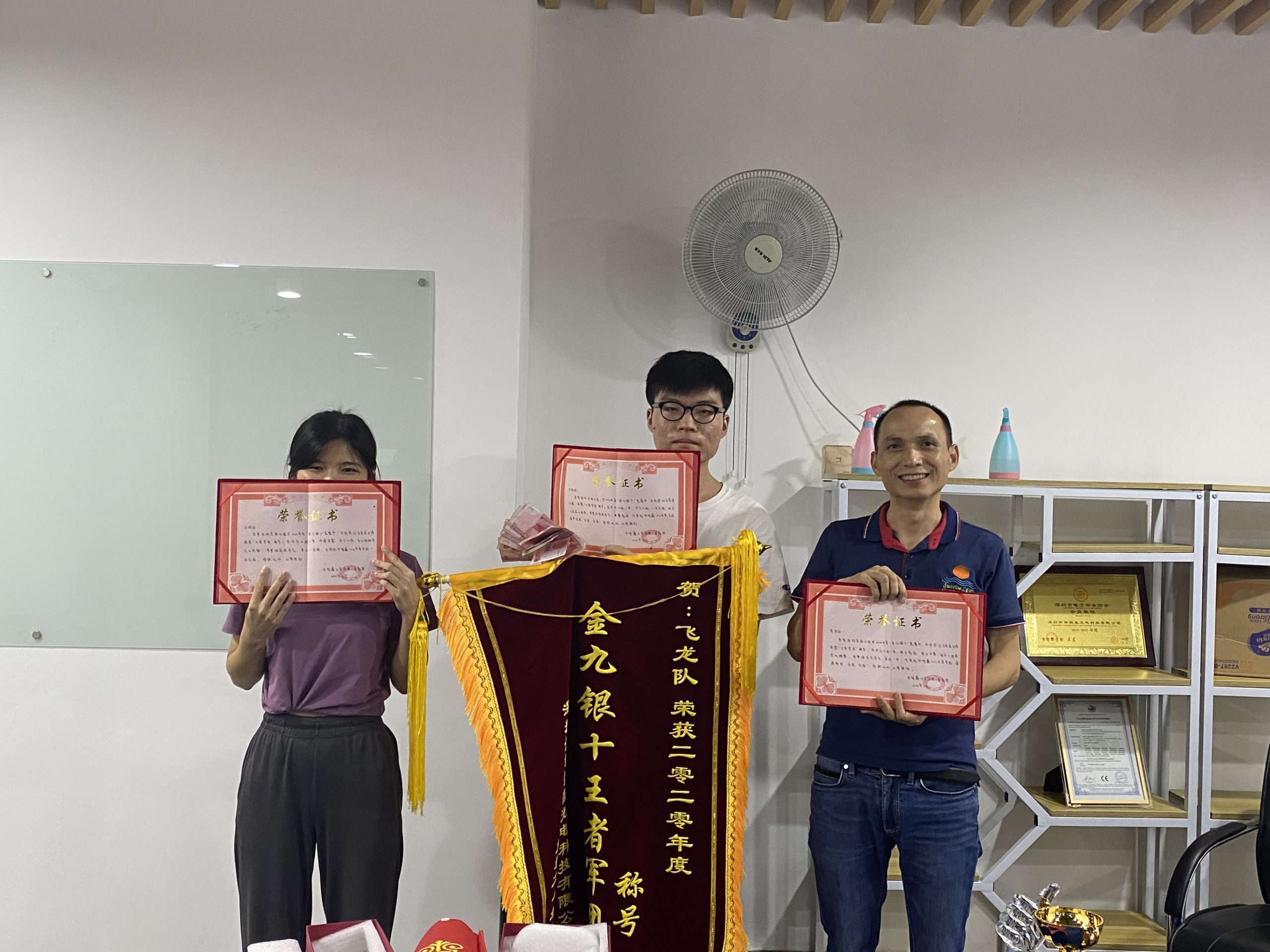
Sunrise led presents awards to excellent salesmen!

Doris, as a new salesman, won three orders in two months. It’s great.   Jack, the bu...
Do you like ?1,967 views

Read more

Our new product, led grow light, PPE reaches 2.6umol/j

640w and 800W full spectrum led grow light   It can be folded for convenient transportatio...
Do you like ?2,207 views

Read more

The latest project, Saudi Arabia LED MESH FACADE

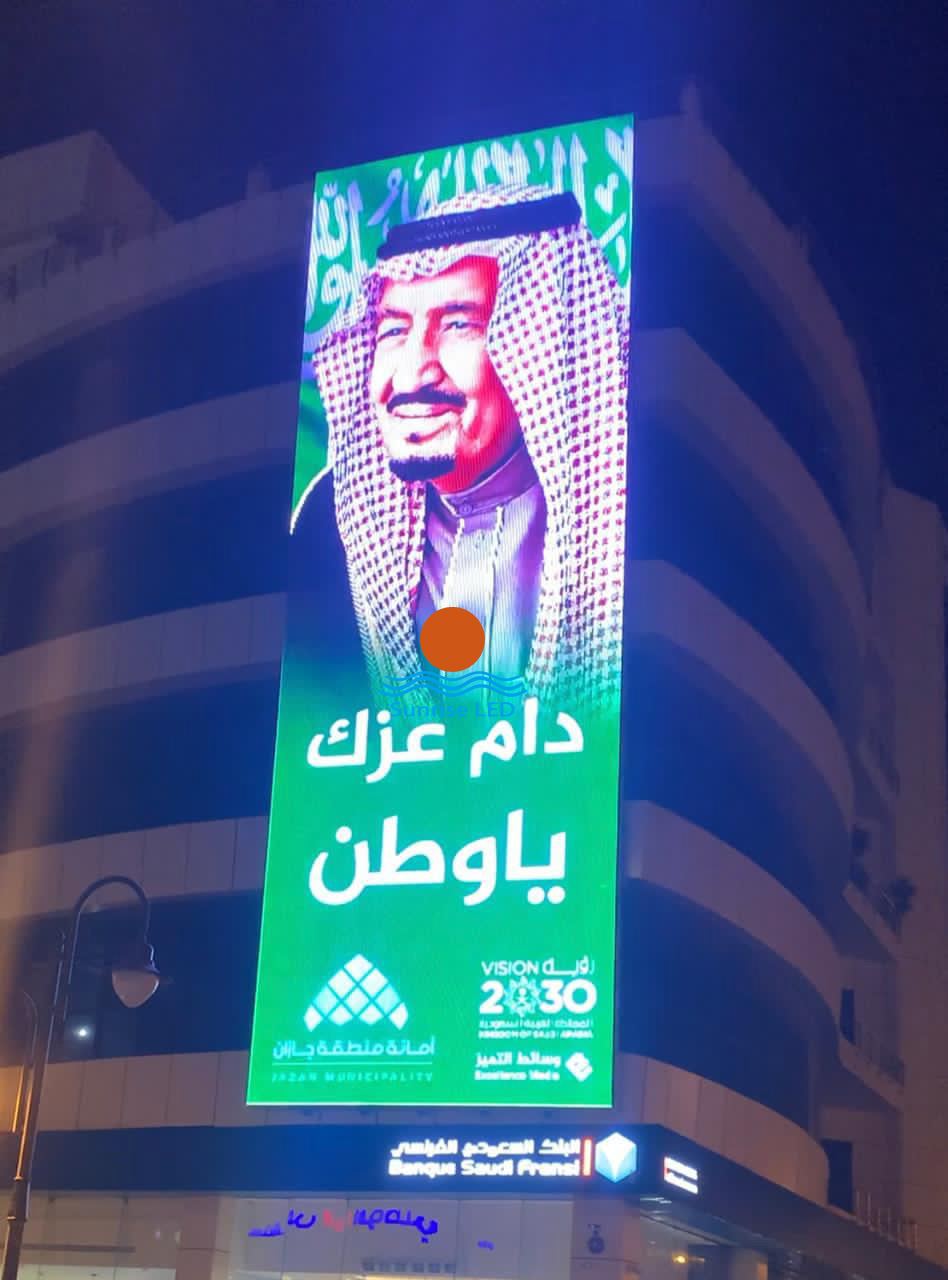
The latest project, Saudi Arabia LED MESH FACADE. Ultra-high brightness, ultra-light LED display ...

Do you like ?2,749 views

Read more