news

COG Glass Substrate vs Traditional PCB: The Secret Behind Ultra-Thin LED Displays

17 views admin 2026-06-17

  • The ultra-thin evolution of LED displays is driven fundamentally by iterative breakthroughs in substrate materials and packaging processes. For decades, traditional PCB boards have served as the core carrier of LED modules. Restricted by inherent structural and process constraints, screen thickness has long hit an unbreakable bottleneck. The launch of COG (Chip On Glass) glass substrate technology eliminates this limitation at the foundational structural level, emerging as the leading solution for ultra-slim LED displays today. The technical gaps between the two substrates directly define the minimum achievable thickness and overall performance ceiling of LED screens.
  • I. Core Structural Differences Between the Two Technologies
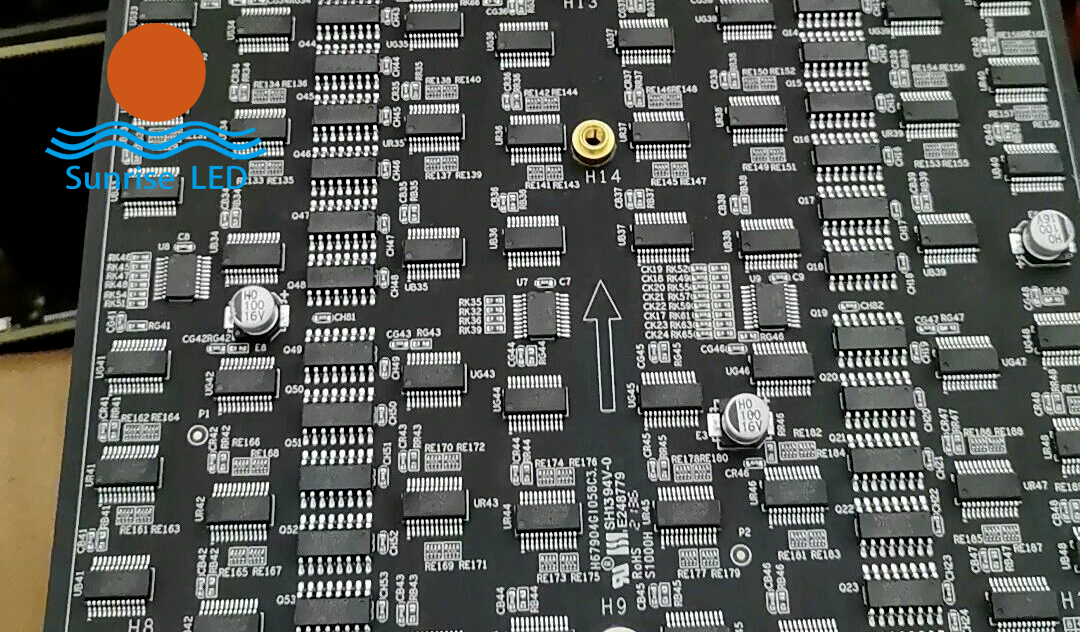
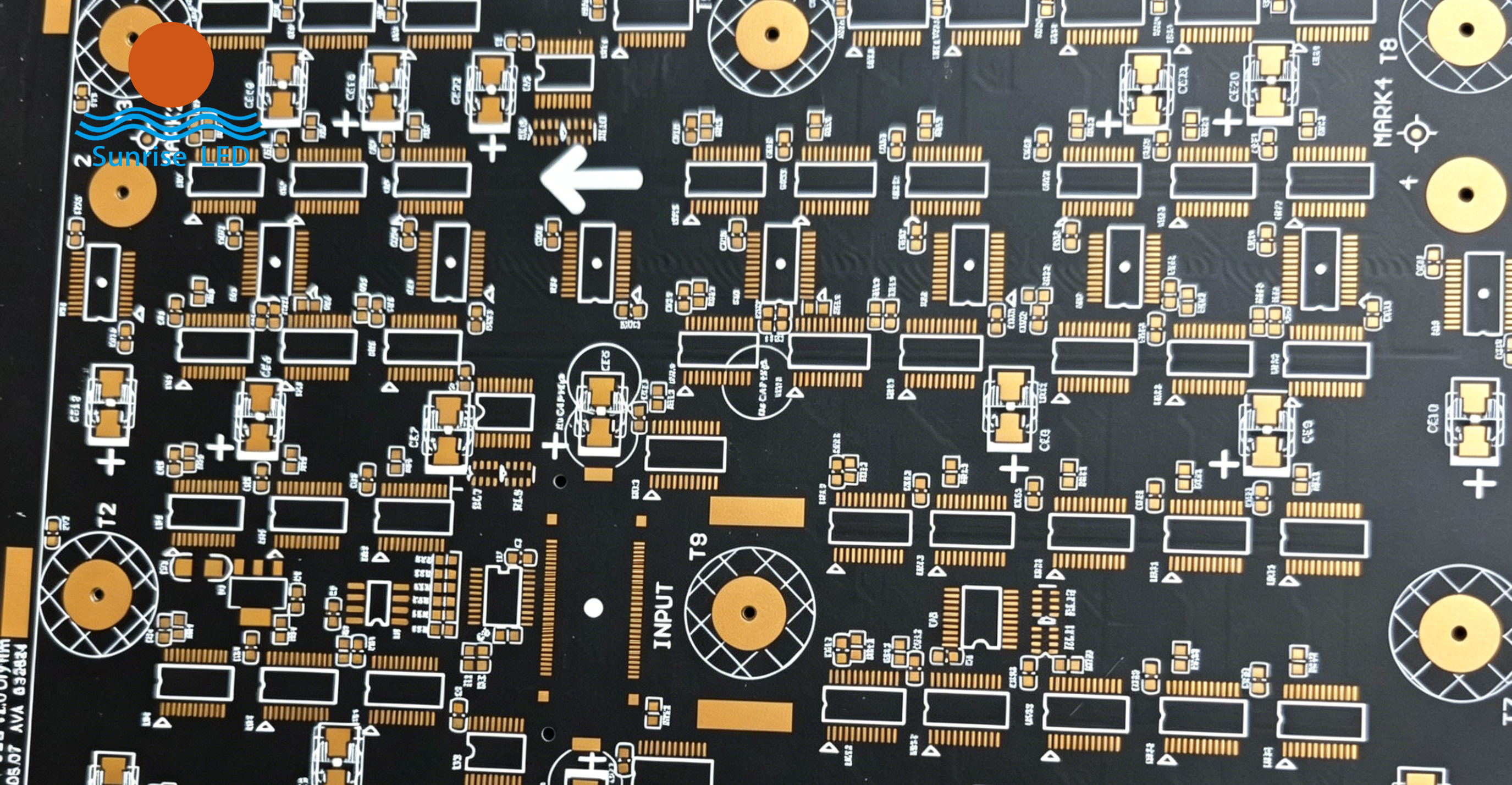
  • Conventional LED modules take printed circuit boards (PCBs) as the base carrier. LED chips, driver ICs and all electronic components are soldered onto the board, with flat cables assembled to complete circuit connections. Standard PCBs measure 1.2–2.0 mm thick. After stacking components, encapsulant glue and outer frames, the full module thickness generally exceeds 6 mm, leaving minimal room for further slimming. COG, short for Chip On Glass, completely removes standalone PCBs. LED chips and integrated TFT drive circuits are fabricated directly on the glass substrate. The glass substrate itself ranges from 0.5 to 1.1 mm in thickness. With chips and packaging layers included, total module thickness is kept under 3 mm, while premium variants can reach an ultra-slim 1.5 mm, delivering dramatic thickness reduction.
  • II. Three Core Technical Breakthroughs Enabling Slimmer Screens
  • 1. Innovative Substrate Material
  • Glass substrates feature ultra-thin form factor, exceptional flatness and superior insulation. Unlike PCBs, they require no extra thickness for structural rigidity. An ITO transparent conductive layer can be deposited directly on the glass surface to replace copper traces on conventional PCBs, streamlining multi-layer stacked structures and enabling transparent display solutions. Its nanometer-level surface flatness also supports precise pixel arrangement for fine-pitch products.
  • 2. Integrated Upgraded Drive Architecture
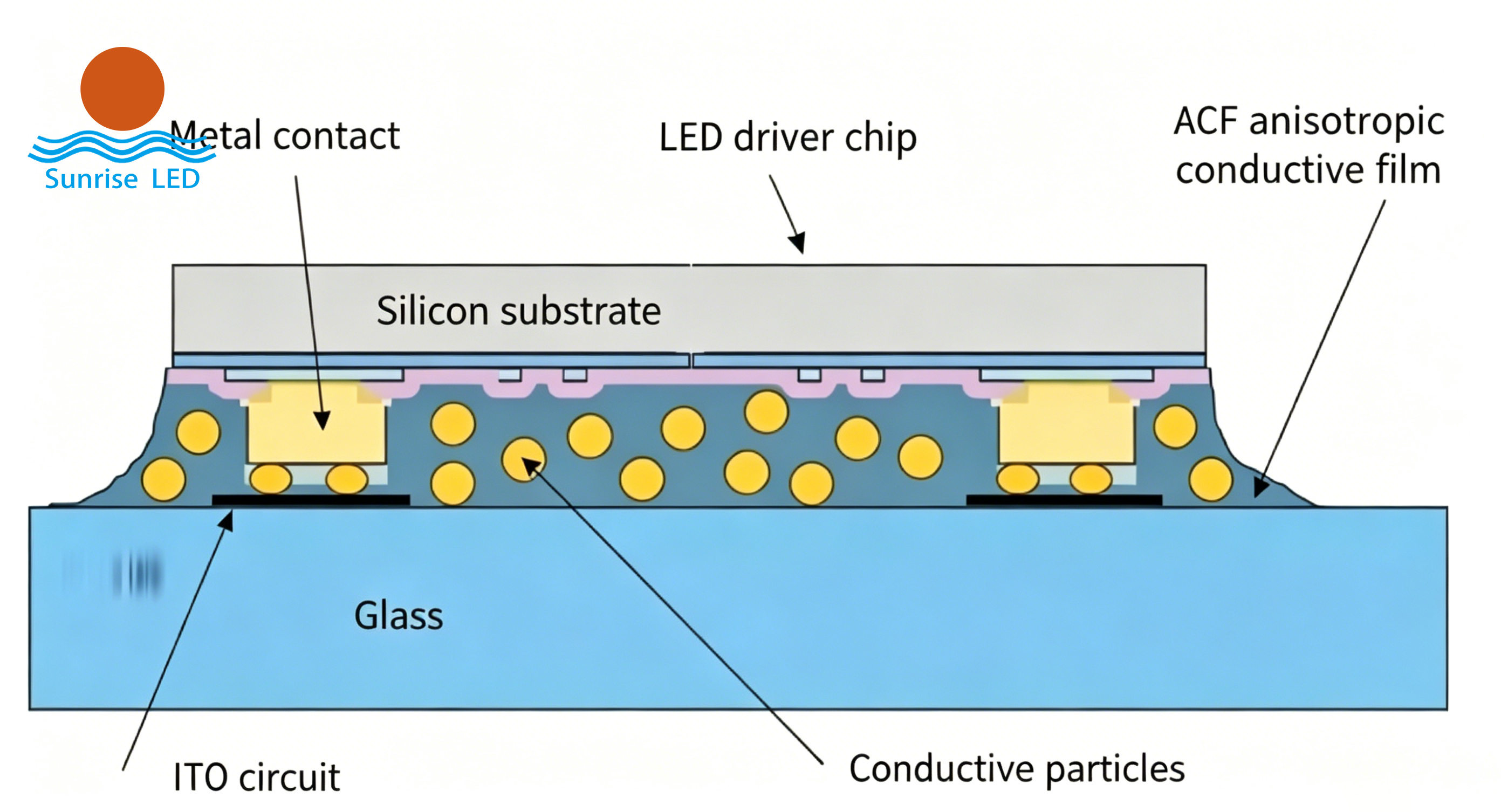
  • Traditional displays mostly adopt passive matrix driving, which relies on numerous external ICs soldered to PCBs, creating bulky, space-consuming layouts. The COG system adopts active matrix driving with TFT circuits embedded into the glass substrate. Driver chips are bonded directly via conductive adhesive, drastically cutting redundant wiring and component stacking. Shorter signal transmission paths not only slim down the panel but also enhance visual performance metrics including grayscale depth and refresh rate.
  • 3. Streamlined Packaging Process
  • COG adopts semiconductor-grade mass transfer technology to attach chips directly onto glass, removing traditional packaging components such as chip brackets and bonding wires. It also eliminates cumulative thickness caused by stacked PCB boards and encapsulation layers. This simplified manufacturing process cuts physical thickness while boosting overall panel flatness, effectively mitigating common defects like moiré patterns and off-angle color shift.
  • III. Thickness Revolution in Practical Application Scenarios
  • Material and process differences deliver tangible advantages in real-world deployment: Transparent Displays: Glass-based panels achieve higher light transmittance and nearly 40% thinner profile than conventional PCB grid screens, perfectly suited for retail shop windows and building glass curtain walls. Premium Commercial Displays: Fine-pitch COG modules are only 2.8 mm thick, enabling flush wall mounting for a seamless mural-style visual experience. Home Display Products: COG technology further slims complete display units, balancing a sleek thin appearance with precise local dimming performance.
  • IV. Limitations of COG Glass Substrate Technology
  • COG glass substrate is not without drawbacks at the current stage: High Production Cost: Sophisticated mass transfer and precision glass processing create high technical barriers, limiting its large-scale use to high-end markets for now. Complex Maintenance: Damaged PCB modules allow partial disassembly and component replacement, while faulty glass-based modules usually require full unit replacement. Weak Mechanical Resistance: Glass has poor shock and vibration resistance, requiring extra protective structures for harsh environments such as outdoor advertising and vehicle-mounted displays.
  • V. Future Outlook: From Niche High-End to Mass Popularization
  • As the full industrial chain matures, production costs of COG glass substrates keep declining with steadily rising market penetration, especially in fine-pitch and transparent display segments. Manufacturers are also optimizing product performance: composite reinforced materials are adopted to improve glass mechanical strength, while continuous process optimization lowers overall manufacturing expenses.
  • The ultra-thin trend of LED displays stems from joint progress in material science and packaging technology. Breaking the thickness limits of traditional PCB structures, COG glass substrate redefines panel form factors and expands the application scope of display products, poised to evolve into the mainstream technology in the near future.
 

Technology | analysis of naked eye 3D display technology

At present, the naked eye 3D large screen market is hot, and 3D technology is also known as 3D di...
Do you like ?2,943 views

Read more

Sunrise’s p2.604 curved LED display lights up under the Eiffel Tower

Sunrise’s p2.604 curved LED display lights up under the Eiffel Tower     Sunri...

Do you like ?1,906 views

Read more

Sunrise LED Rocky Rental Series led display for concert

Concert activities are popular in the United States, and sunrise’s products have been wide...
Do you like ?2,485 views

Read more

Sunrise 264 square meters Galaxy 3115 series mesh led facade in Armenia

  Sunrise 264 square meters Galaxy 3115 series mesh led facade in Armenia     Sun...
Do you like ?1,885 views

Read more

Sunrise led presents awards to excellent salesmen!

Doris, as a new salesman, won three orders in two months. It’s great.   Jack, the bu...
Do you like ?1,696 views

Read more

Our new product, led grow light, PPE reaches 2.6umol/j

640w and 800W full spectrum led grow light   It can be folded for convenient transportatio...
Do you like ?1,939 views

Read more

The latest project, Saudi Arabia LED MESH FACADE

The latest project, Saudi Arabia LED MESH FACADE. Ultra-high brightness, ultra-light LED display ...

Do you like ?2,490 views

Read more