news

Attenuation Law of LED Display Lamp Beads and Aging Retardation Technology

6 views admin 2026-05-13

Brightness attenuation of LED displays (also known as **light decay**) is a universally recognized natural industry phenomenon, referring to the gradual decline in luminous efficiency of LED lamp beads during long-term operation. The industry commonly evaluates service life by the **L70 standard**: it represents the cumulative working time when the lamp bead brightness drops to 70% of the initial value. High-quality LEDs usually achieve an L70 lifespan of more than 50,000 hours. Mastering the light decay law and applying aging retardation technologies are critical to extending display screen service life and maintaining consistent display performance. Core Laws and Causes of Lamp Bead Light Decay 1. Exponential Attenuation Dominated by Junction Temperature LED light decay shows an **exponential correlation** with chip junction temperature, which is the most fundamental attenuation rule. Experimental data proves that every 10°C rise in junction temperature approximately doubles the light decay rate and halves the service life. High temperature accelerates the generation of lattice defects in semiconductor materials, increases non-radiative recombination, and meanwhile speeds up phosphor aging and yellowing of packaging materials. 2. Nonlinear Influence of Current Density Drive current has a nonlinear relationship with light decay; once exceeding the rated current, light decay accelerates sharply.When the current exceeds the rated value by 10%, the light decay rate may rise by more than 30%. Derated operation (e.g., using 300mA for a 350mA rated specification) can extend the service life several times. Excessive current intensifies electromigration, causing chip electrode failure, while generating extra Joule heat and forming a vicious cycle of **thermal runaway**. 3. Acceleration Effect of Environmental Factors Outdoor environment**: Ultraviolet radiation causes yellowing of packaging materials; erosion by rain and dust leads to poor heat dissipation; salt fog accelerates corrosion of metal components. Temperature and humidity fluctuation**: Sudden temperature changes trigger thermal expansion and contraction of materials; moisture intrusion causes gold wire corrosion and chip short circuits. Dust accumulation**: Blocks heat dissipation channels, raises local temperature, forms **hot spots**, and accelerates light decay. 4. Differential Attenuation Caused by Materials and Processes Chip quality**: Premium chips (such as Nichia and Cree) have a light decay rate lower than 5% per 10,000 hours, while inferior chips may reach 15% per 10,000 hours. Packaging materials**: UV-resistant silica gel features 3–5 times slower yellowing speed than ordinary epoxy resin; ceramic substrates deliver more than 20 times higher thermal conductivity than FR4 substrates. Phosphor performance**: Quantum efficiency of phosphors declines under high temperature, resulting in color temperature shift and brightness attenuation. Core Technical Solutions for Retarding Lamp Bead Aging 1. Optimization of Thermal Management System (Core Technology) Structural heat dissipation upgrade**: Adopt aluminum profile backplates and die-cast aluminum cabinets equipped with graphene thermal pads, increasing thermal conductivity by 3 times. Intelligent heat dissipation control**: AI-driven dynamic air cooling automatically adjusts fan speed according to temperature, reducing power consumption by 30%. Fanless design**: Realize passive heat dissipation through large-area cooling fins, suitable for silent scenarios and avoiding dust blockage. 2. Precise Control of Drive Circuit Constant current drive technology**: Replaces constant voltage drive to prevent excessive current caused by voltage fluctuation and ensure stable current for each lamp bead. PWM dimming optimization**: Control the frequency above 200Hz to avoid current spike impact on chips and reduce visual flicker. Intelligent current management**: Automatically adjust drive current according to ambient brightness; lower nighttime brightness to 30%–50% and extend service life by over 50%. 3. Upgrade of Packaging and Protection Processes GOB glue filling process**: Cover the chip surface with epoxy resin, raise IP protection level to IP65 with excellent moistureproof and anti-oxidation performance. COB packaging technology**: Directly bond chips to substrates to reduce thermal resistance, improve heat dissipation efficiency and overall protection performance. UV-resistant coating**: Coat outdoor screens with anti-ultraviolet materials to delay packaging yellowing and maintain light transmittance. 4. Daily Operation, Maintenance and Usage Specifications Brightness management**: Avoid long-term operation at 100% brightness; install light sensors on outdoor screens for automatic brightness adjustment. Power on/off sequence**: Power on in the order of control system → processor → screen power supply; power off in reverse order with a 10-second interval to avoid current impact. Regular maintenance**: Clean indoor screens monthly and conduct in-depth maintenance on outdoor screens quarterly to remove dust in heat dissipation channels. Environmental control**: Avoid direct sunlight exposure; install air conditioning or ventilation systems in high-temperature environments to keep operating temperature within 25–40°C. 5. Intelligent Monitoring and Early Warning IoT remote monitoring**: Real-time monitoring of screen temperature, current and other parameters with automatic early warning for abnormal conditions. Brightness attenuation calibration**: Regular point-by-point calibration via the control system to maintain overall screen brightness uniformity. Fault prediction and judgment**: Analyze lamp bead attenuation trends through data, replace failing modules in advance and prevent **dead pixel spread**. Conclusion LED lamp bead light decay is an inevitable physical process. However, scientific thermal management, precise drive control, high-quality packaging technology and standardized operation & maintenance can effectively slow down attenuation, enabling the display screen to operate stably for more than 5–10 years. Industry data shows that LED displays adopting comprehensive retardation technologies can extend the L70 lifespan from the standard 50,000 hours to 80,000–100,000 hours, reducing the comprehensive operation cost by over 40%. Mastering the light decay law and applying targeted technologies is a key factor for high-quality development in the LED display industry.  
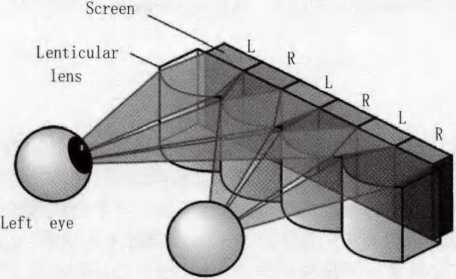
Technology | analysis of naked eye 3D display technology

At present, the naked eye 3D large screen market is hot, and 3D technology is also known as 3D di...
Do you like ?2,844 views

Read more

Sunrise’s p2.604 curved LED display lights up under the Eiffel Tower

Sunrise’s p2.604 curved LED display lights up under the Eiffel Tower     Sunri...
Do you like ?1,830 views

Read more

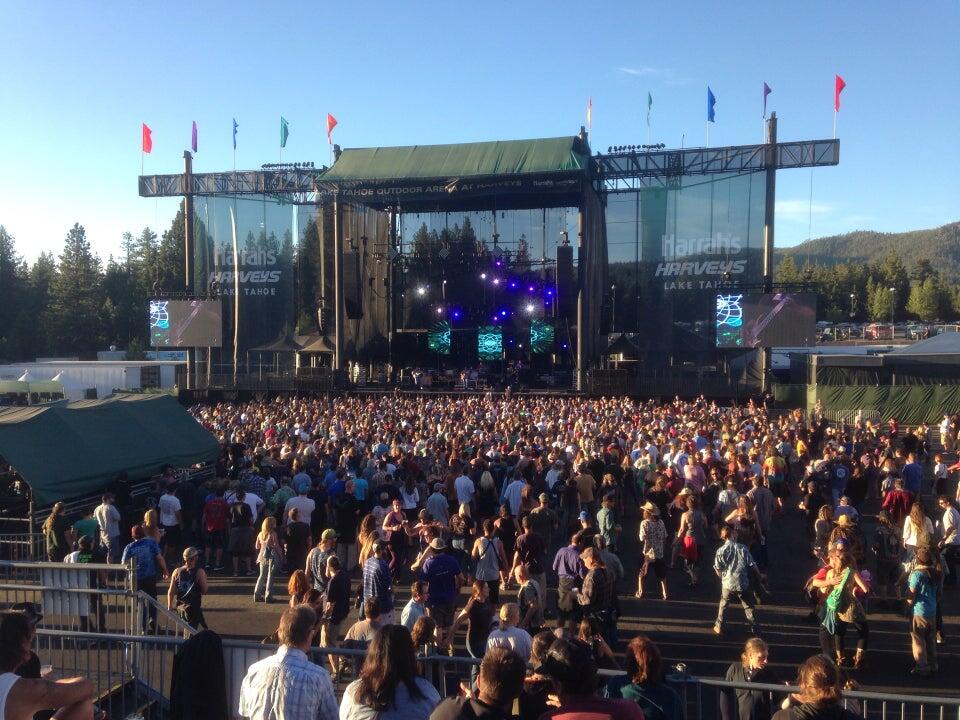
Sunrise LED Rocky Rental Series led display for concert

Concert activities are popular in the United States, and sunrise’s products have been wide...

Do you like ?2,394 views

Read more

Sunrise 264 square meters Galaxy 3115 series mesh led facade in Armenia

  Sunrise 264 square meters Galaxy 3115 series mesh led facade in Armenia     Sun...
Do you like ?1,815 views

Read more

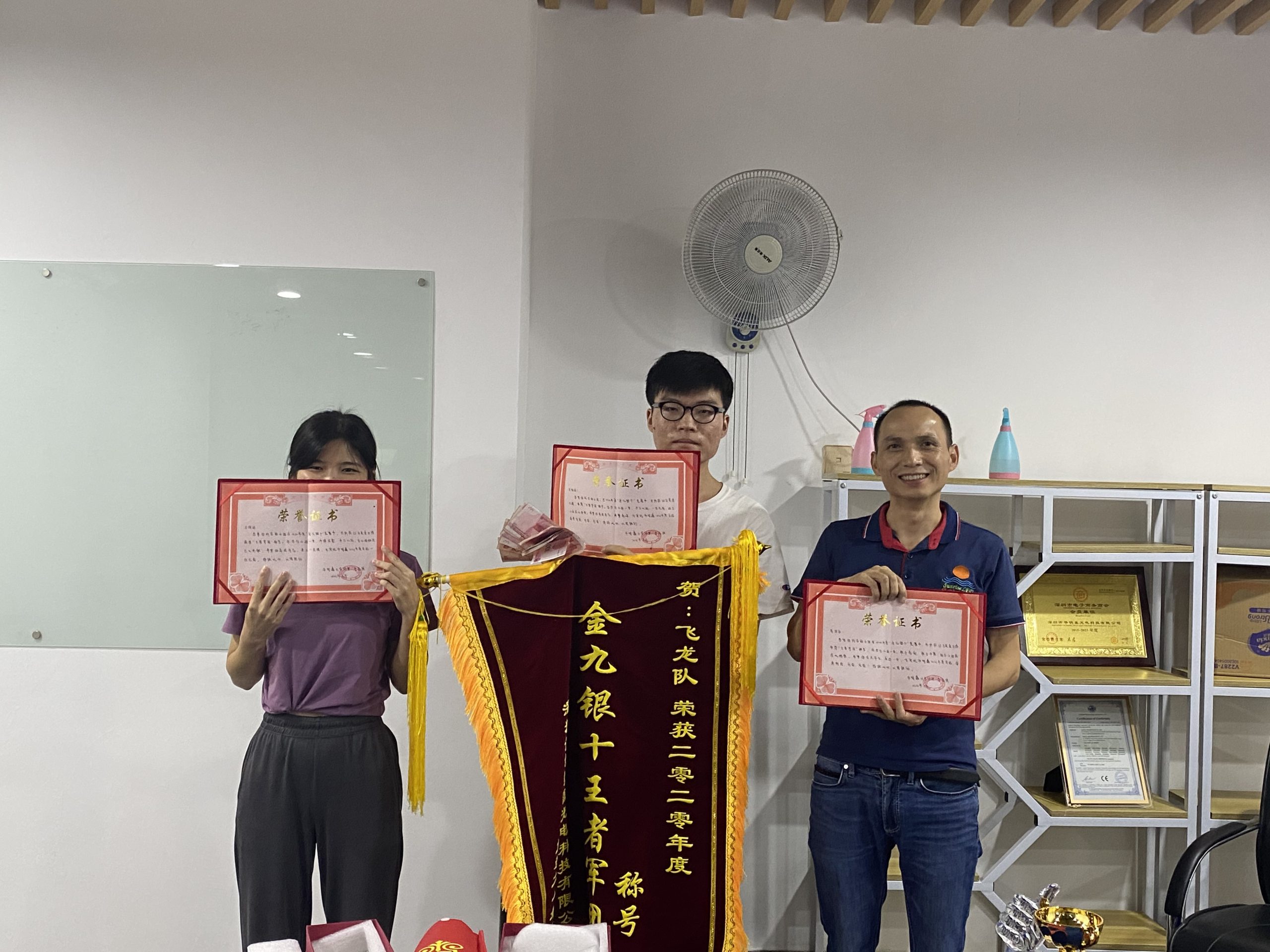
Sunrise led presents awards to excellent salesmen!

Doris, as a new salesman, won three orders in two months. It’s great.   Jack, the bu...
Do you like ?1,623 views

Read more

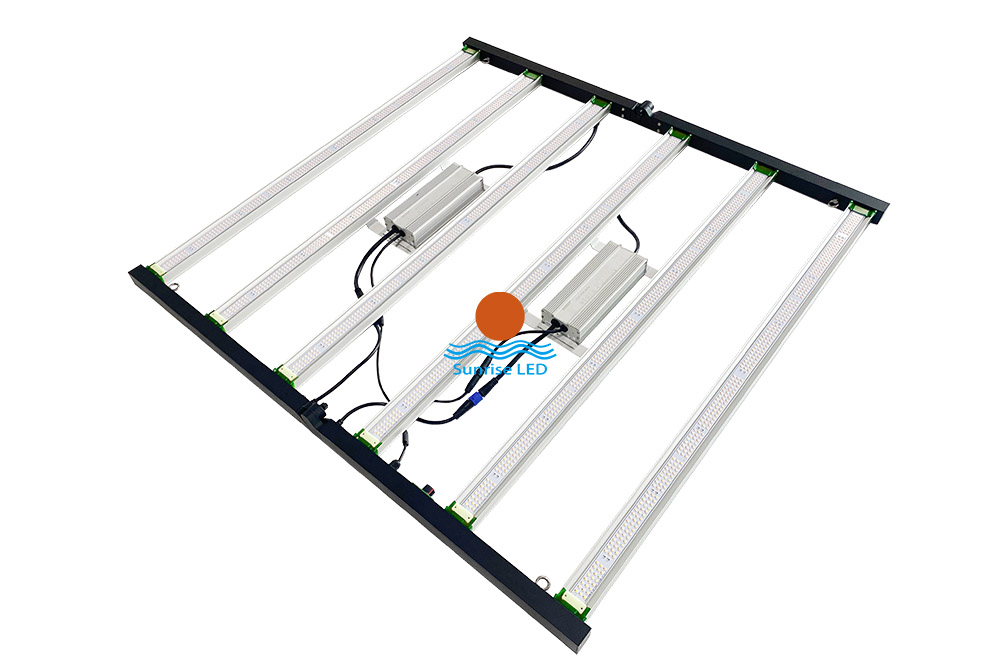
Our new product, led grow light, PPE reaches 2.6umol/j

640w and 800W full spectrum led grow light   It can be folded for convenient transportatio...
Do you like ?1,858 views

Read more

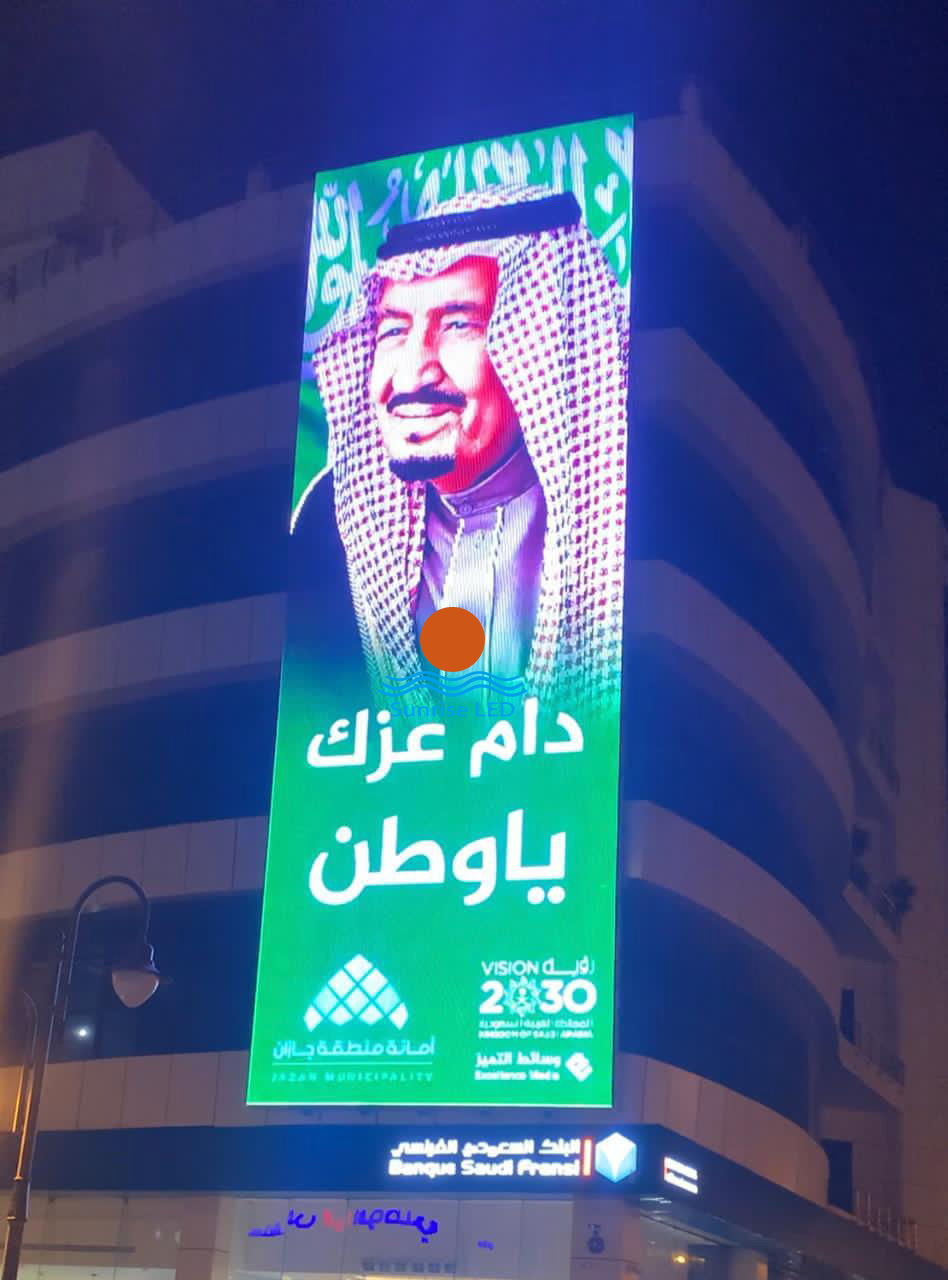
The latest project, Saudi Arabia LED MESH FACADE

The latest project, Saudi Arabia LED MESH FACADE. Ultra-high brightness, ultra-light LED display ...

Do you like ?2,399 views

Read more