news

Difficulties in the Design and Construction of Special-Shaped LED Screens (Cylindrical Screens, Streamer Screens)

2 views admin 2026-03-20
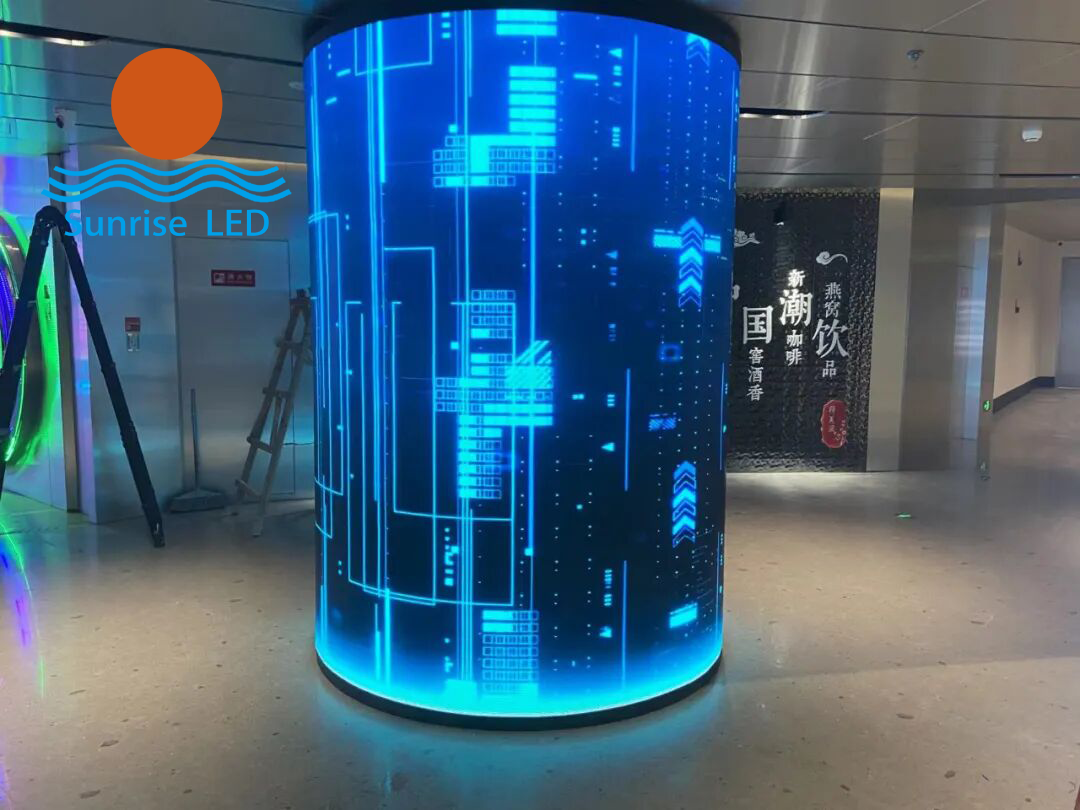
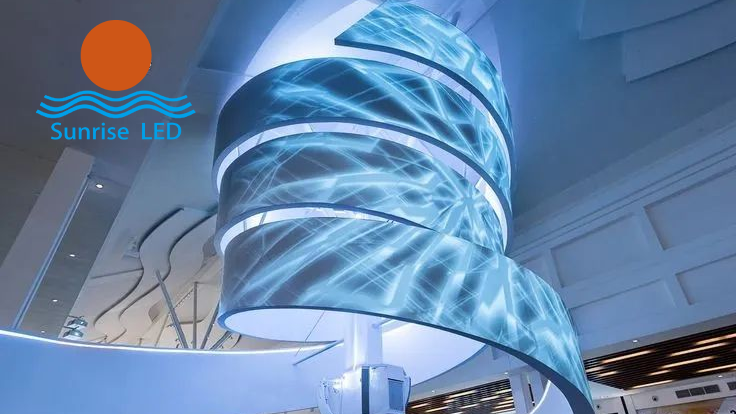
  • With the upgrading of commercial displays and cultural-tourism scenarios, special-shaped LED screens such as cylindrical screens and streamer screens have been widely used due to their unique visual tension. However, compared with conventional flat-panel screens, their design and construction require breaking through multiple technical bottlenecks, and every step imposes extremely high requirements on precision and professionalism.
  • Design Stage: Dual Breakthroughs in Form and Display
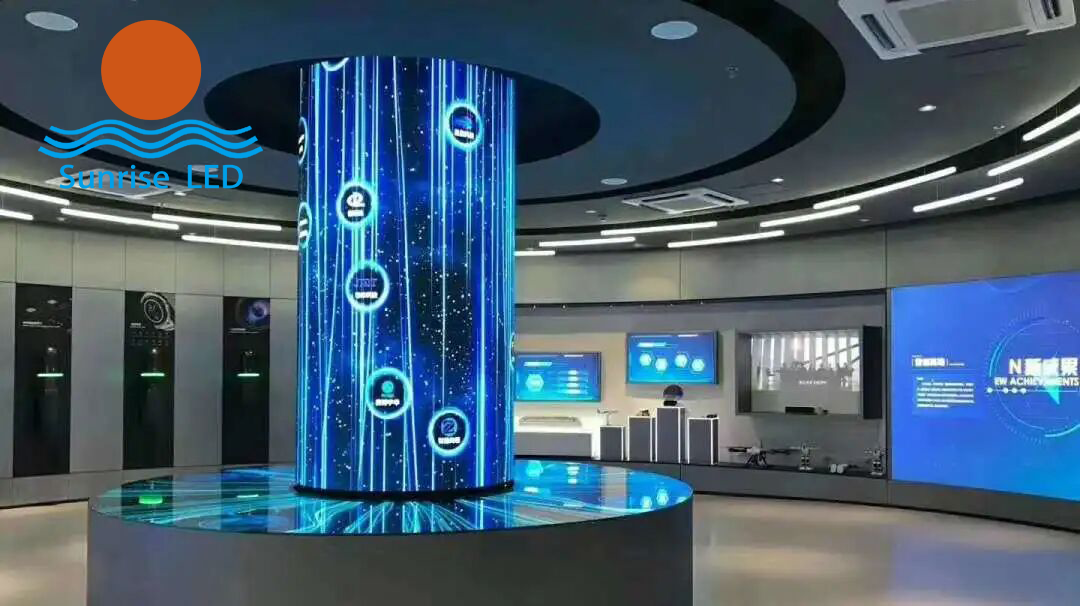
  • Cylindrical Screens: Dual Challenges of Curved Surface Fitting and Pixel Calibration
  • The core difficulties in the design stage focus on balancing form adaptation and display performance. Cylindrical screens need to achieve 360° seamless display. The primary challenge lies in curved surface fitting and module selection. Conventional large-size modules cannot adapt to the cylindrical curvature, so small-size flexible modules must be adopted. The bending radius of the modules must precisely match the cylinder diameter, with errors controlled within 0.5 mm to avoid splicing gaps and image
  • discontinuity.
  • Meanwhile, the pixel arrangement of cylindrical screens is irregular, requiring recalibration of each pixel position through nonlinear pixel mapping technology. Otherwise, problems such as image stretching and distortion will occur, which places extremely high demands on the customization of the control system.
  • Streamer Screens: Precise Control of Flexible Shaping and Structural Coordination
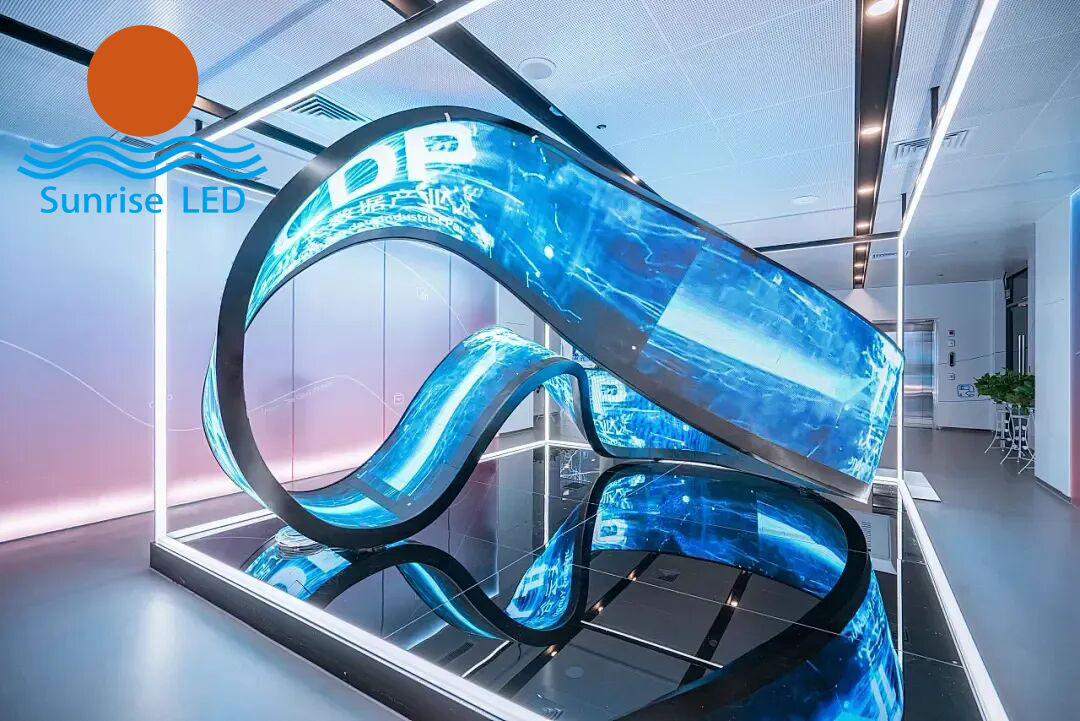
  • The design difficulty of streamer screens lies in the accurate presentation of flexible shapes and structural coordination. Streamer screens mostly feature complex spatial curves such as S-shapes and wave shapes, requiring parametric design to complete the spatial positioning of tens of thousands of components. The bending performance of the flexible substrate directly determines the smoothness of the shape. Current mainstream technology can achieve a minimum bending radius of 5 mm, while structural strength and display stability must also be considered.
  • In addition, streamer screens often have large spans and variable shapes, so digital twin technology should be used for simulation and design in advance to avoid potential problems such as module interference and insufficient cables in later stages.
  • Construction Stage: Dual Guarantees of Precision and Safety
  • Precision Control: Strict Requirements for Millimeter-Level Splicing
  • Difficulties in the construction stage are mainly reflected in three aspects: precision control, structural safety, and later maintenance. When installing a cylindrical screen, a lightweight steel structure frame must first be customized and precisely leveled to ensure the curvature error meets requirements. Modules are fixed by magnetic suction or special adhesive, with splicing gaps controlled within 1.5 mm. Meanwhile, space for wiring and heat dissipation must be reserved to prevent internal heat accumulation from damaging the equipment.
  • Streamer screens installed at high altitudes face challenges of load-bearing and wind resistance. Special hanging or cantilever structures must be designed to withstand strong winds, and splicing precision must reach the millimeter level to achieve an overall effect of “zero visual deviation”.
  • Heat Dissipation and Maintenance: Key Support for Long-Term Stable Operation
  • Furthermore, heat dissipation and maintenance are also critical challenges in construction. Special-shaped screens have unique structures and limited heat dissipation space, requiring customized distributed heat dissipation solutions and industrial-grade chips to adapt to ambient temperature changes. Outdoor applications must also meet a protection rating of IP65 or higher, with proper waterproof and lightning protection measures.
  • In terms of maintenance, replacing modules for cylindrical and streamer screens is difficult. Access channels must be designed in advance or front-maintenance modules adopted to reduce later operation and maintenance costs.
  • The design and construction of special-shaped LED screens represent a deep integration of artistic creativity and engineering technology. Only by overcoming core difficulties such as form adaptation, precision control, and structural safety can dual standards of visual effect and operational performance be achieved, enabling cylindrical screens and streamer screens to truly become core carriers for scenario empowerment.
 

Technology | analysis of naked eye 3D display technology

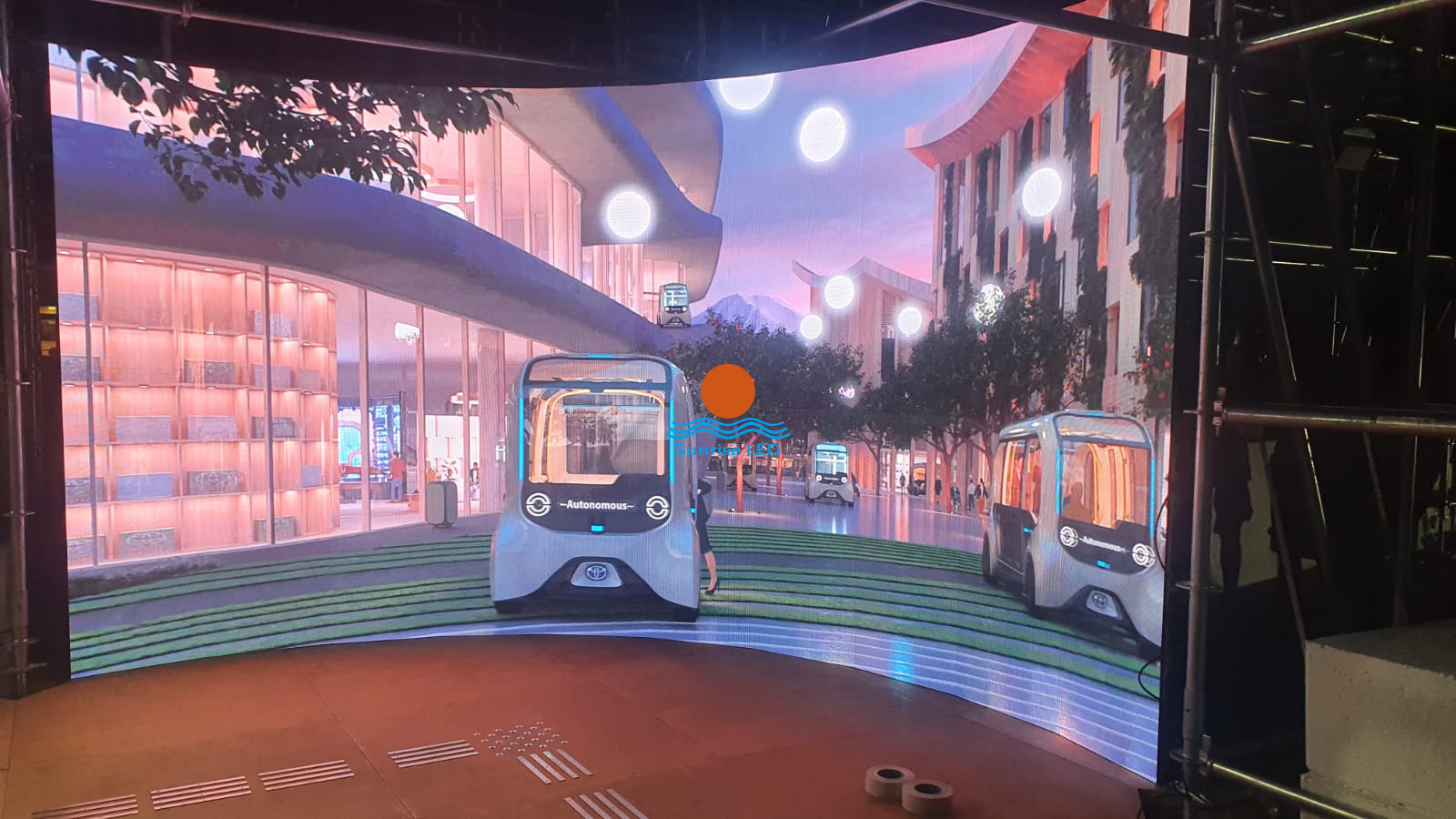
At present, the naked eye 3D large screen market is hot, and 3D technology is also known as 3D di...
Do you like ?2,737 views

Read more

Sunrise’s p2.604 curved LED display lights up under the Eiffel Tower

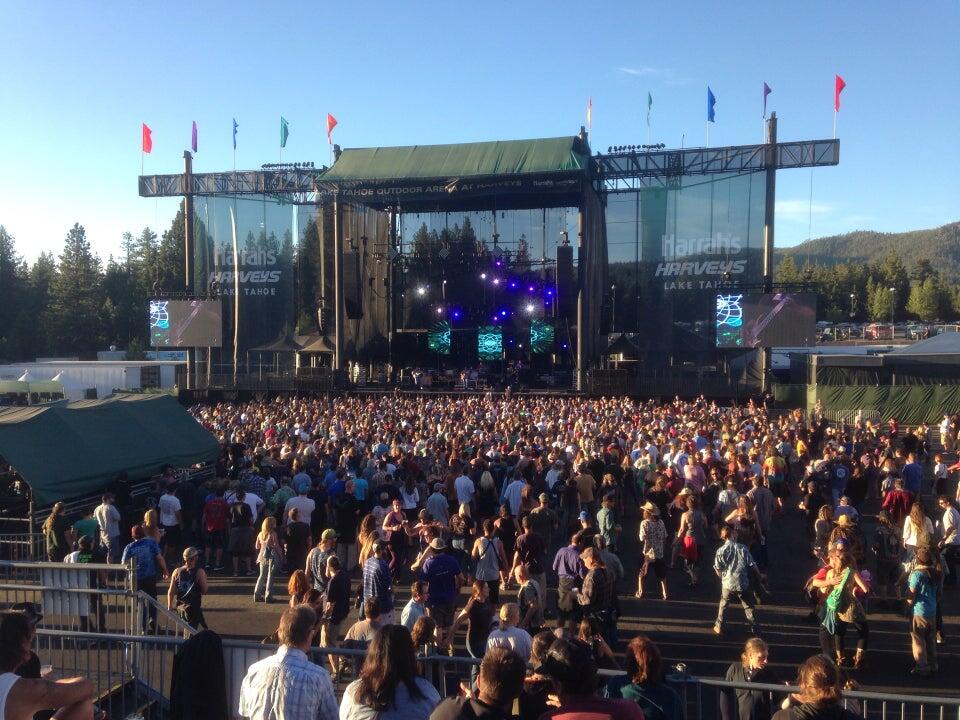
Sunrise’s p2.604 curved LED display lights up under the Eiffel Tower     Sunri...
Do you like ?1,740 views

Read more

Sunrise LED Rocky Rental Series led display for concert

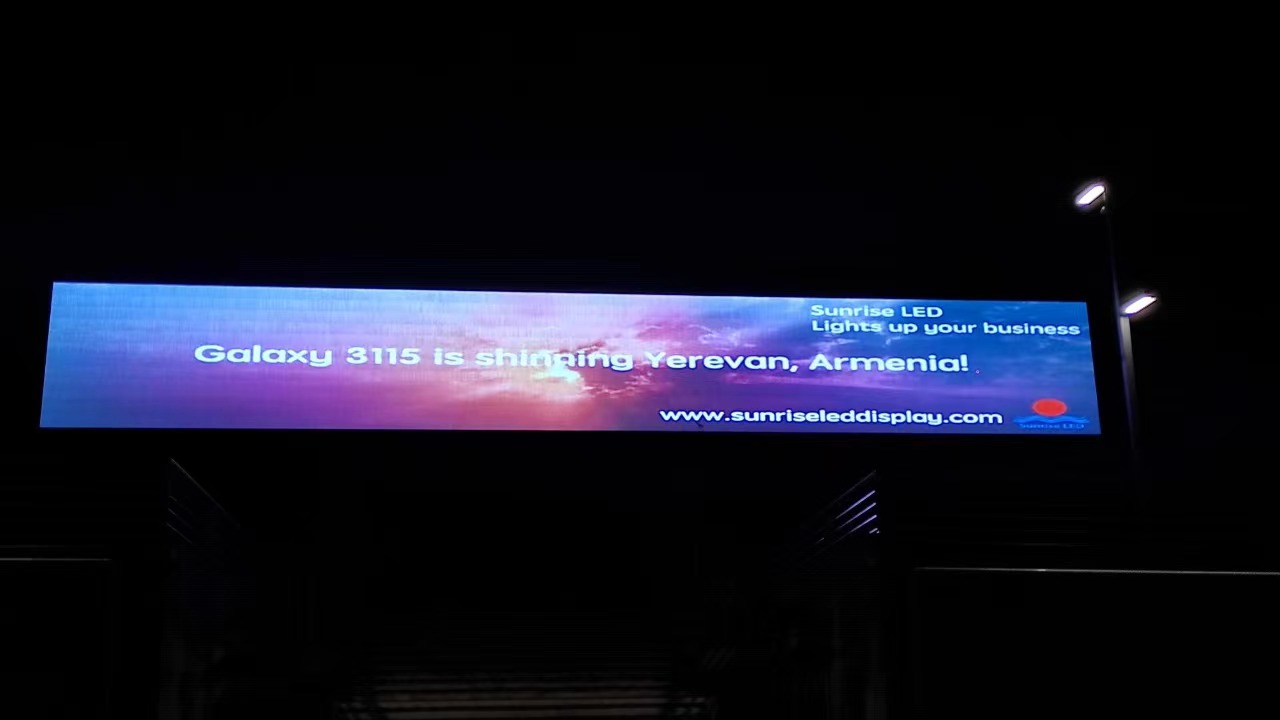
Concert activities are popular in the United States, and sunrise’s products have been wide...
Do you like ?2,309 views

Read more

Sunrise 264 square meters Galaxy 3115 series mesh led facade in Armenia

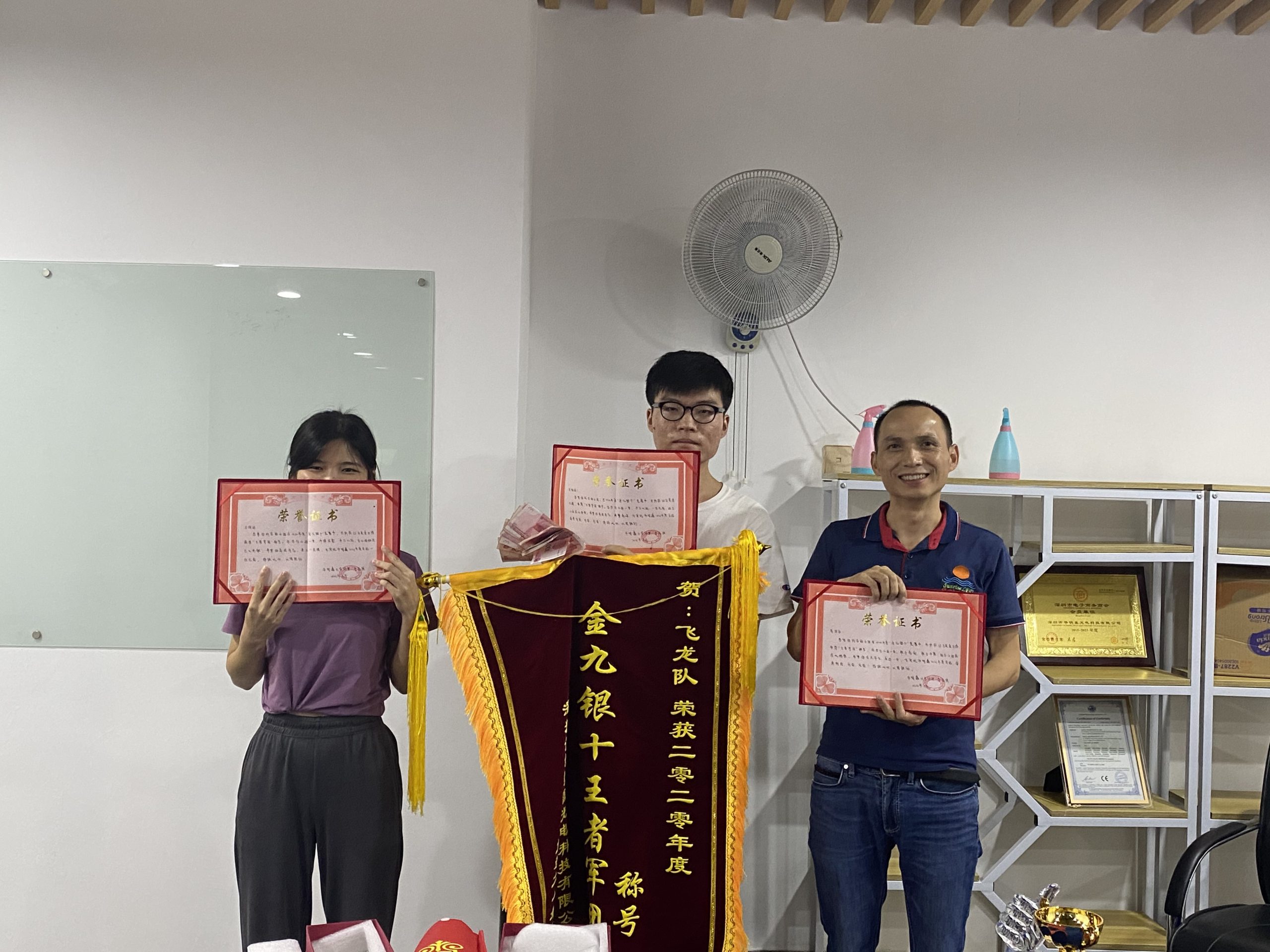
  Sunrise 264 square meters Galaxy 3115 series mesh led facade in Armenia     Sun...
Do you like ?1,740 views

Read more

Sunrise led presents awards to excellent salesmen!

Doris, as a new salesman, won three orders in two months. It’s great.   Jack, the bu...
Do you like ?1,550 views

Read more

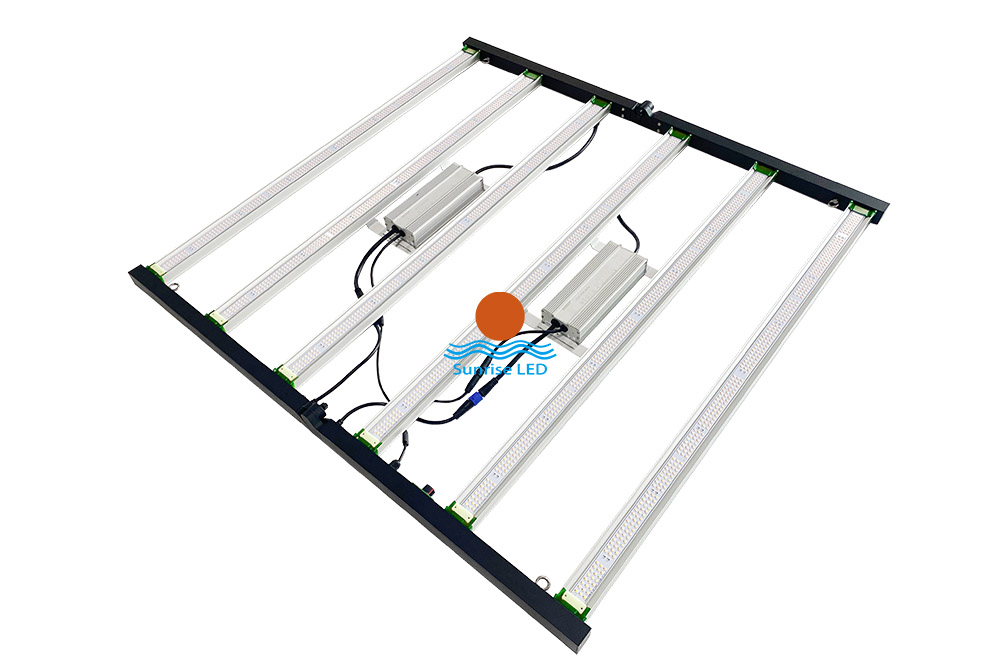
Our new product, led grow light, PPE reaches 2.6umol/j

640w and 800W full spectrum led grow light   It can be folded for convenient transportatio...
Do you like ?1,774 views

Read more

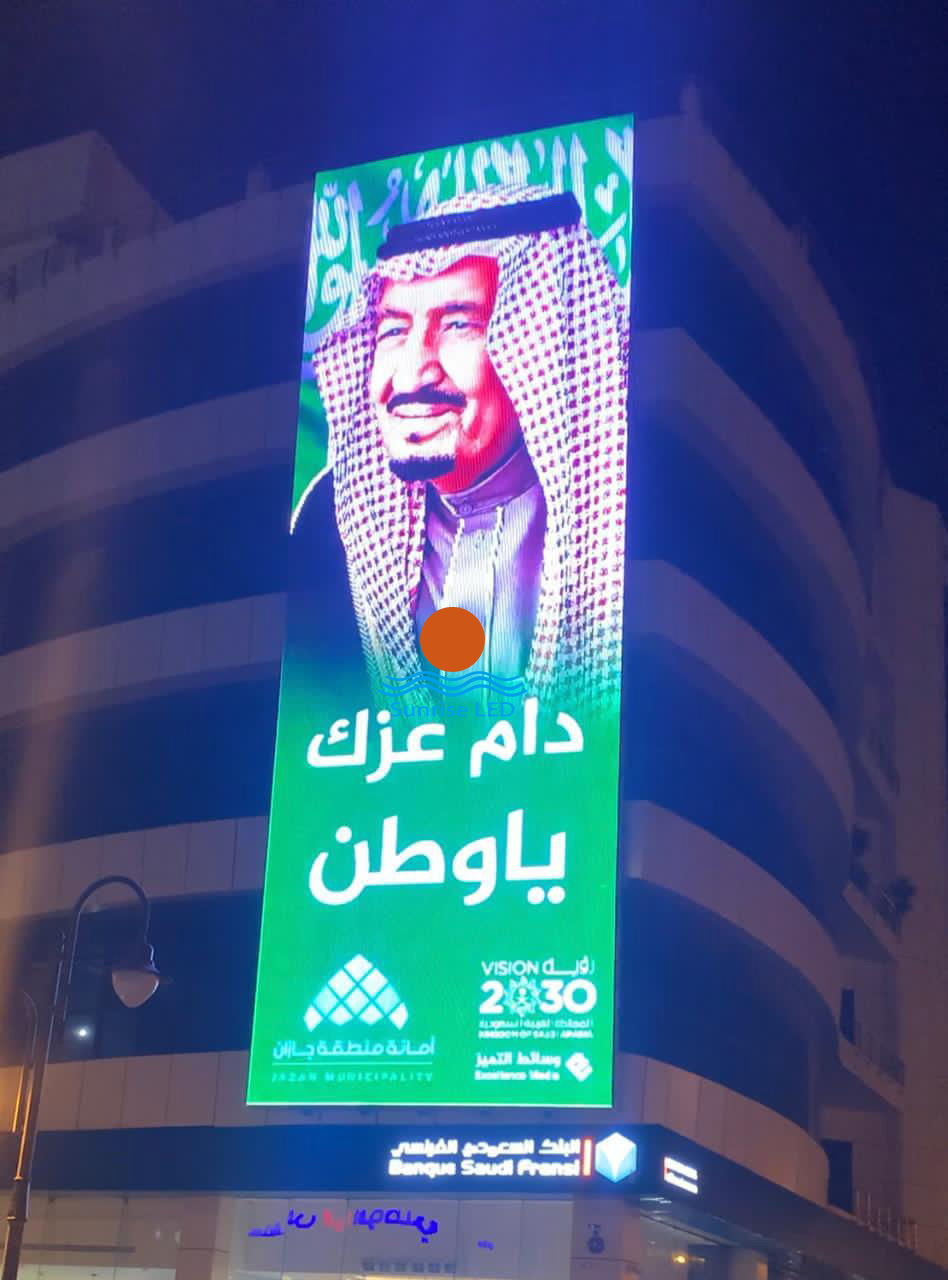
The latest project, Saudi Arabia LED MESH FACADE

The latest project, Saudi Arabia LED MESH FACADE. Ultra-high brightness, ultra-light LED display ...

Do you like ?2,298 views

Read more