news

How Does Color Temperature Adjustment Technology Affect the Display Performance of LED Screens?

6 views admin 2026-04-01
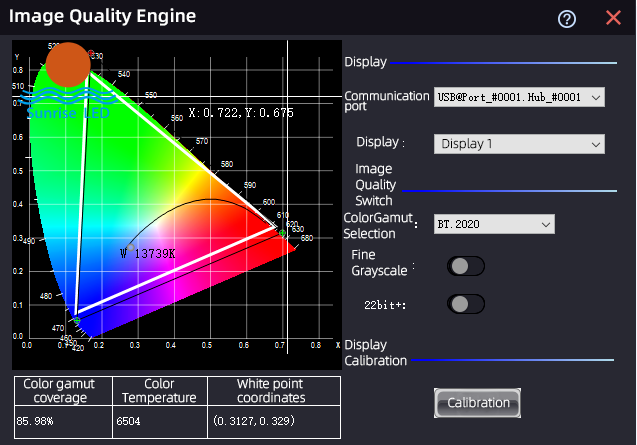
  • The display performance of an LED screen depends primarily on color reproduction, visual comfort, and scene adaptability. Color temperature adjustment technology is one of the key technologies governing these core factors. Without altering basic parameters such as resolution and refresh rate, it modifies the final display quality in multiple dimensions by adjusting the "warm or cool tone" of white light, with all effects grounded in real technical logic and no fictional elements.
  • Core Impact 1: Calibrates Color Reproduction and Prevents Color Cast
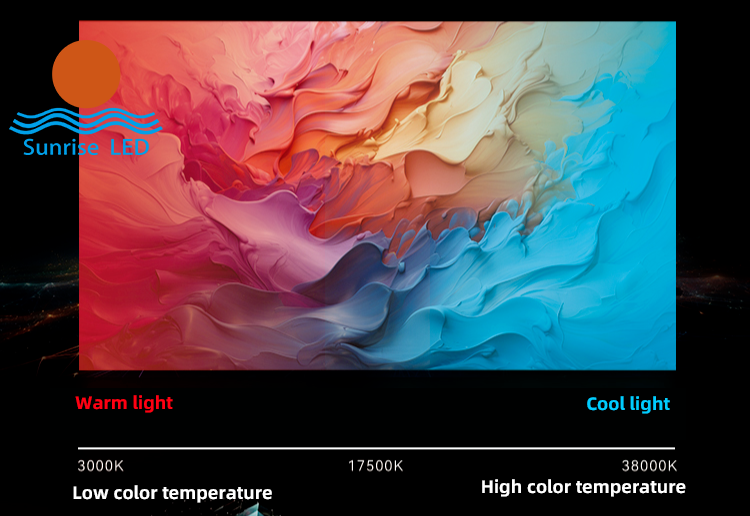
  • The primary effect of color temperature adjustment on LED screen performance is the accuracy of color reproduction. All colors on a full-color LED screen are mixed by red, green, and blue LEDs. As the fundamental base color, the color temperature of white light directly determines the deviation in how other colors are displayed.
  • For example, at a standard color temperature of 6500K (neutral white), the three-color ratio is balanced, enabling maximum restoration of the original content colors, making it ideal for high-definition videos and images while avoiding color cast. If the color temperature is low (around 3200K, warm white), the current proportion of red LEDs increases, resulting in an overall yellowish image, with cool tones such as blue and cyan appearing dim. If the color temperature is high (around 9300K, cool white), the current of blue LEDs intensifies, causing a bluish tint and weakening warm tones such as red and orange, compromising the true color expression of the content.
  • Core Impact 2: Matches Ambient Light and Improves Viewing Comfort Second, it directly influences visual comfort, the most practical effect in real-world applications. The human eye adapts differently to light of varying color temperatures. A key function of LED screen color temperature adjustment is to match ambient lighting and reduce eye fatigue.
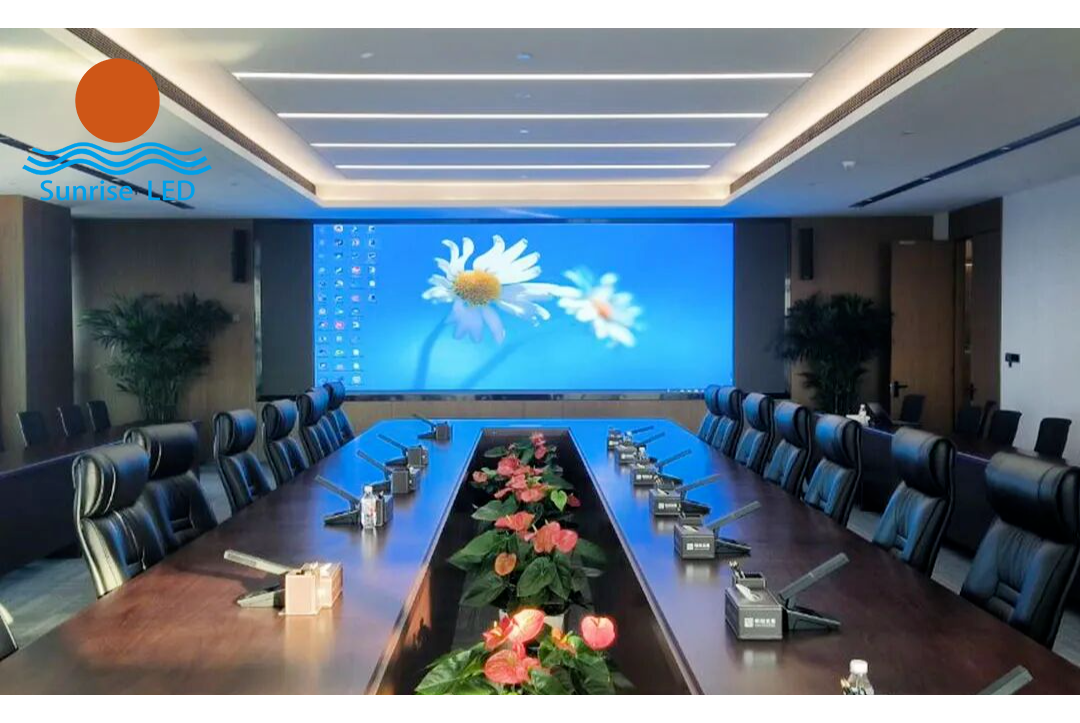
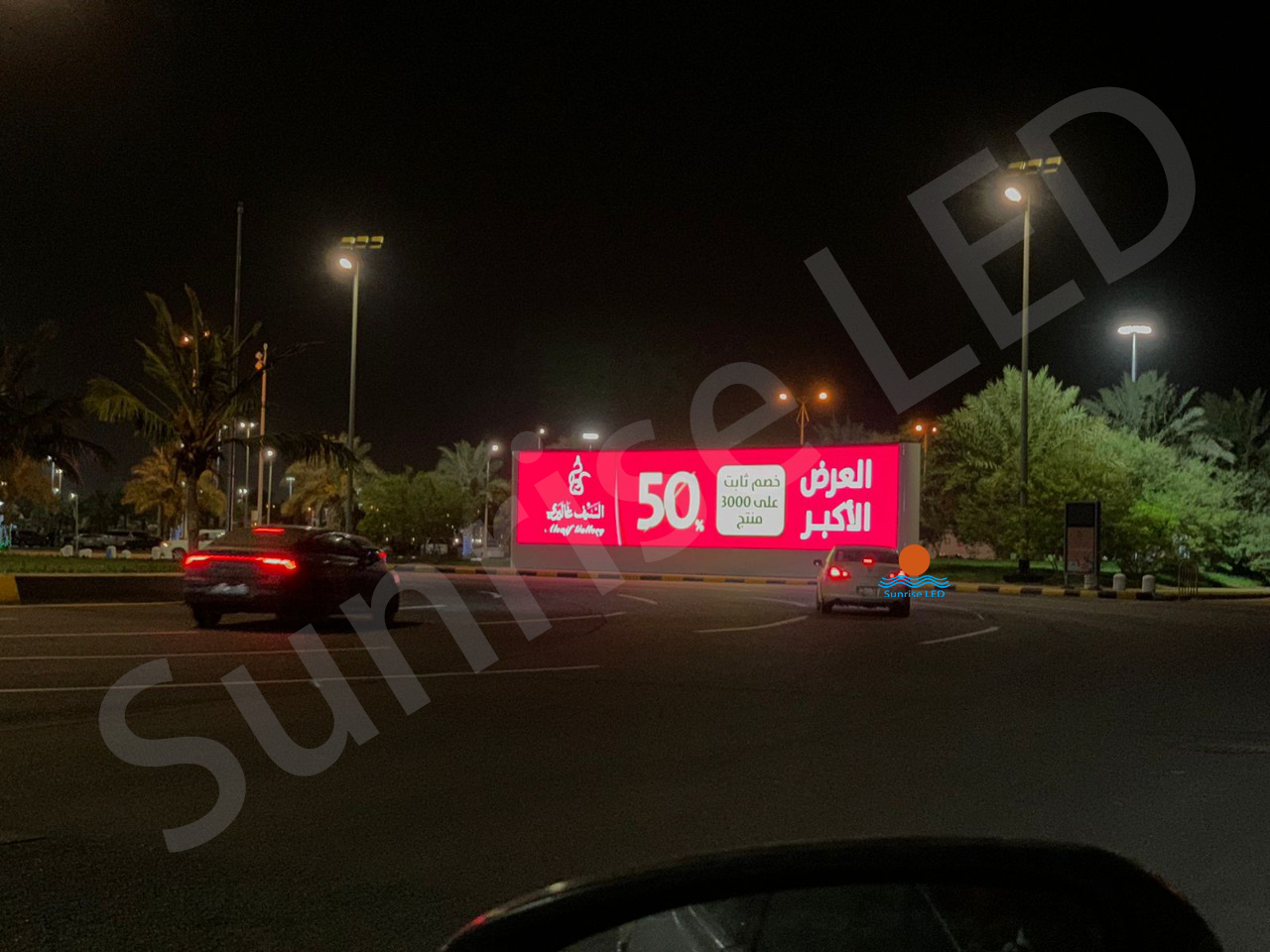
  • In dim indoor environments (e.g., conference rooms, cinemas), lowering the color temperature to 3000K–4500K produces soft, non-glaring warm white light, minimizing fatigue during prolonged viewing. In bright outdoor environments (e.g., plazas, outdoor advertising screens), raising the color temperature to 7000K–10000K enhances the penetration of cool white light, sharpening the image in sunlight and preventing grayish, indistinct visuals under strong light.
  • Conversely, mismatched color temperature causes discomfort: high color temperatures indoors feel harsh and cold, while low color temperatures outdoors result in dim, blurry images.
  • Core Impact 3: Compensates for LED Differences and Ensures Uniform Screen Color
  • Furthermore, it improves overall color consistency. Due to batch variations in LED chips, even identical-spec LEDs exhibit slight differences in luminous characteristics. Without color temperature adjustment, the screen may show localized yellowing or bluing, severely undermining display integrity.
  • Color temperature adjustment allows fine-tuning of parameters for different screen areas individually, compensating for color differences caused by LED batch variations and achieving uniform, smoothly transitioning colors across the entire screen — a must-have technical advantage for high-end LED screens.
  • Core Impact 4: Adapts to Diverse Scenarios and Enhances Display Flexibility
  • Lastly, color temperature adjustment boosts scene adaptability, enabling the LED screen to meet varied usage requirements.
  • - In live streaming, lowering the color temperature softens and naturalizes skin tones, avoiding unnatural pale or sallow appearances.
  • - In security monitoring, raising the color temperature improves image contrast, clarifying details such as human contours and object textures for better identification.
  • - In stage performances, color temperature can be switched to match the atmosphere: warm tones create warmth, while cool tones convey a futuristic feel, elevating the visual experience.
  • Notably, the effects of color temperature adjustment rely on precise current control of the three-color LEDs via driver ICs, with a typical adjustment range of 2000K–10000K, and do not affect the core performance of the LED screen. Proper application of this technology aligns display performance with practical needs and enhances visual quality, making it an essential auxiliary technology for LED screens.
   

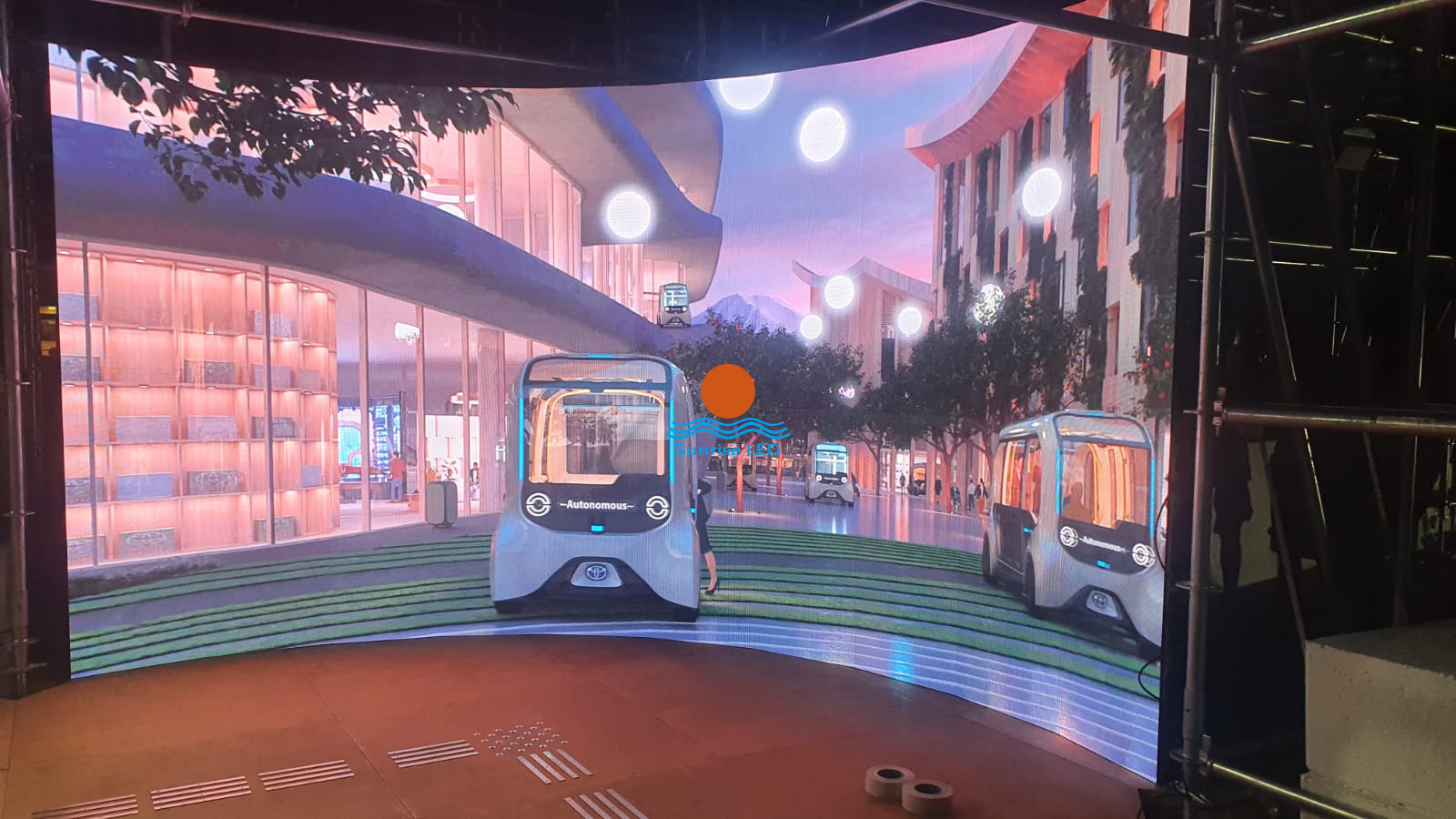
Technology | analysis of naked eye 3D display technology

At present, the naked eye 3D large screen market is hot, and 3D technology is also known as 3D di...
Do you like ?2,760 views

Read more

Sunrise’s p2.604 curved LED display lights up under the Eiffel Tower

Sunrise’s p2.604 curved LED display lights up under the Eiffel Tower     Sunri...

Do you like ?1,761 views

Read more

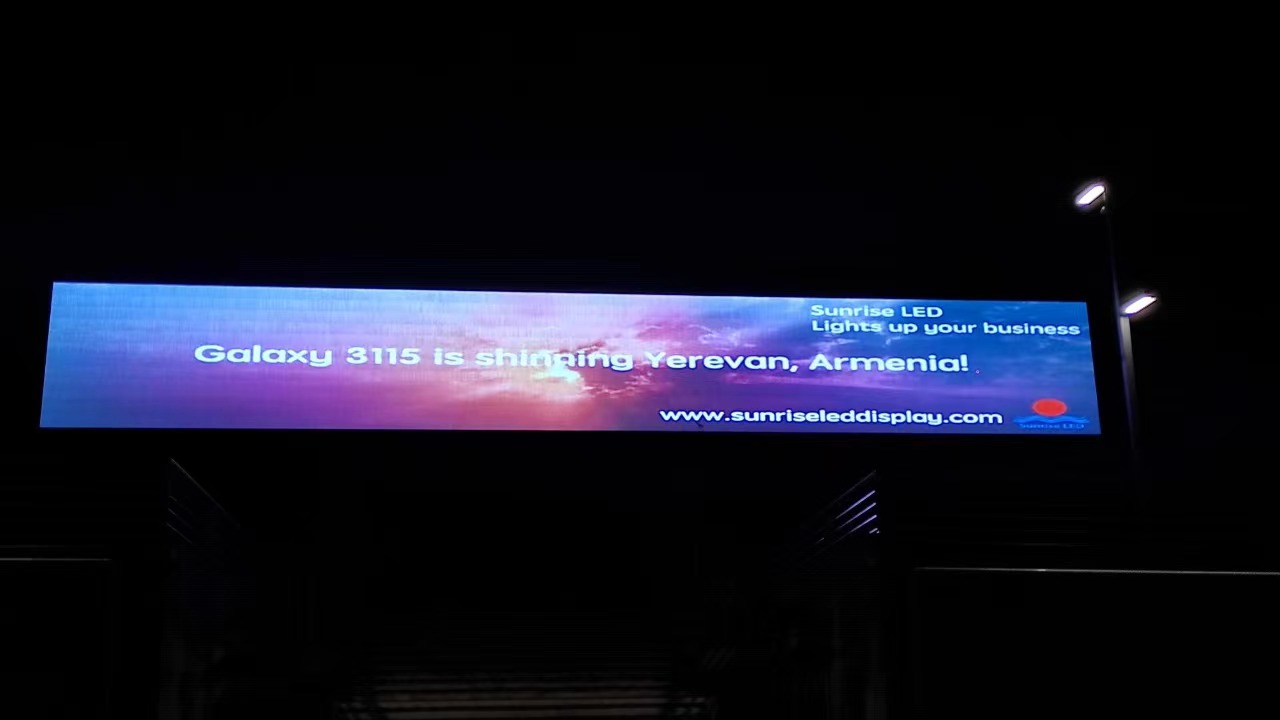
Sunrise LED Rocky Rental Series led display for concert

Concert activities are popular in the United States, and sunrise’s products have been wide...
Do you like ?2,329 views

Read more

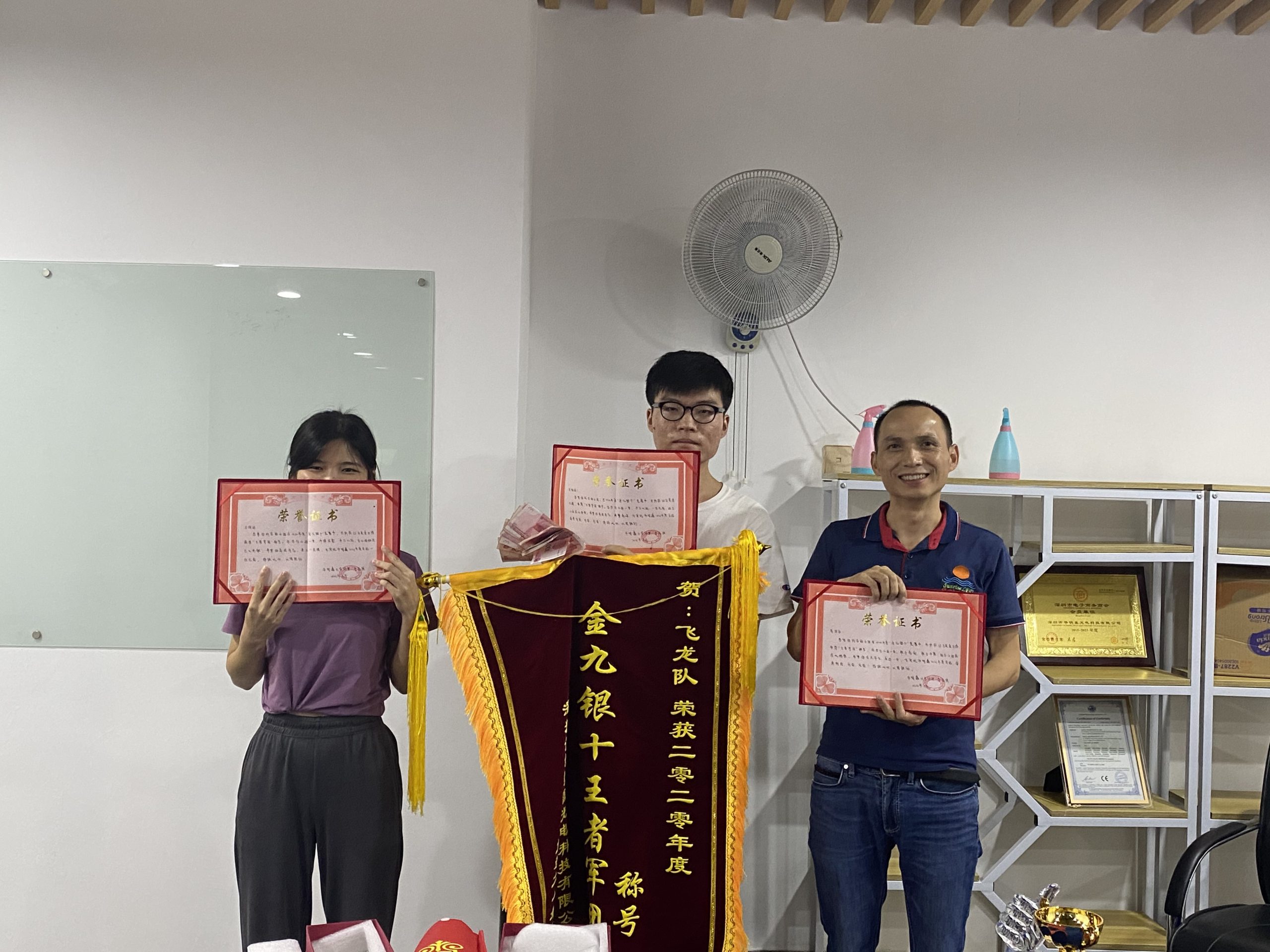
Sunrise 264 square meters Galaxy 3115 series mesh led facade in Armenia

  Sunrise 264 square meters Galaxy 3115 series mesh led facade in Armenia     Sun...
Do you like ?1,757 views

Read more

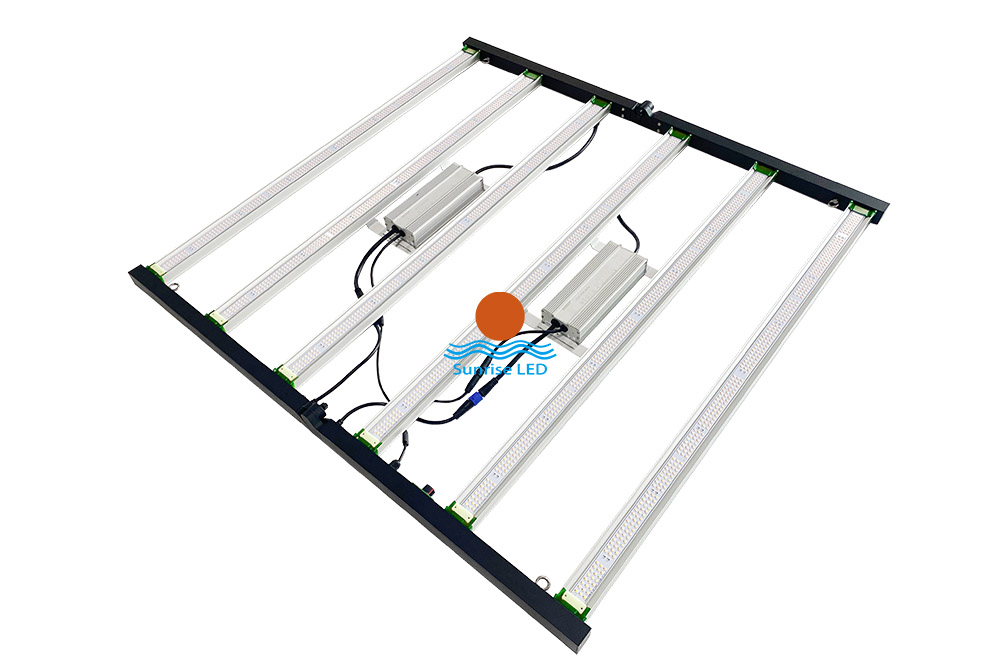
Sunrise led presents awards to excellent salesmen!

Doris, as a new salesman, won three orders in two months. It’s great.   Jack, the bu...
Do you like ?1,569 views

Read more

Our new product, led grow light, PPE reaches 2.6umol/j

640w and 800W full spectrum led grow light   It can be folded for convenient transportatio...
Do you like ?1,791 views

Read more

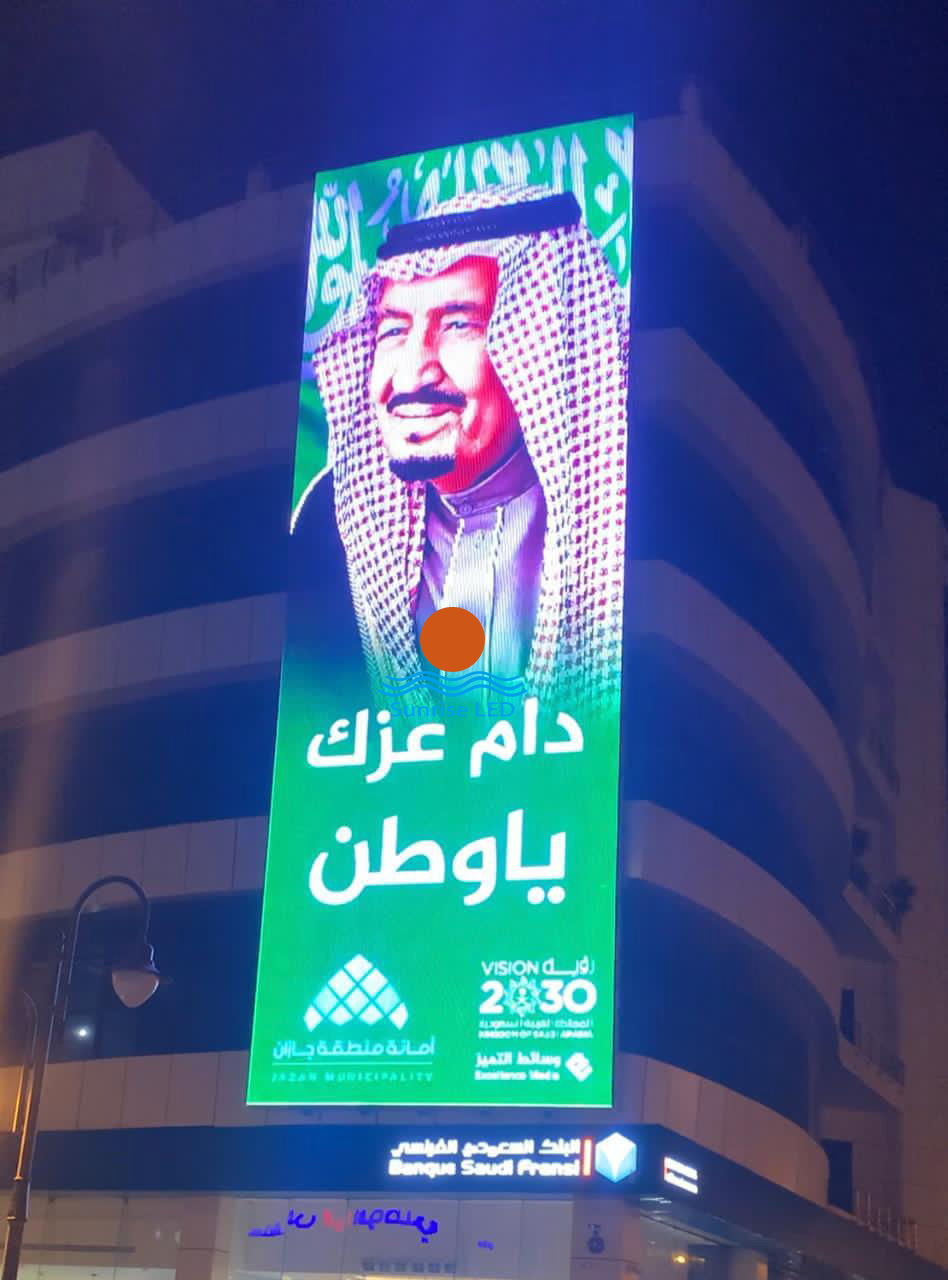
The latest project, Saudi Arabia LED MESH FACADE

The latest project, Saudi Arabia LED MESH FACADE. Ultra-high brightness, ultra-light LED display ...

Do you like ?2,325 views

Read more