news

Key Considerations for Installing LED Canopy Screens

4 views admin 2026-11-11
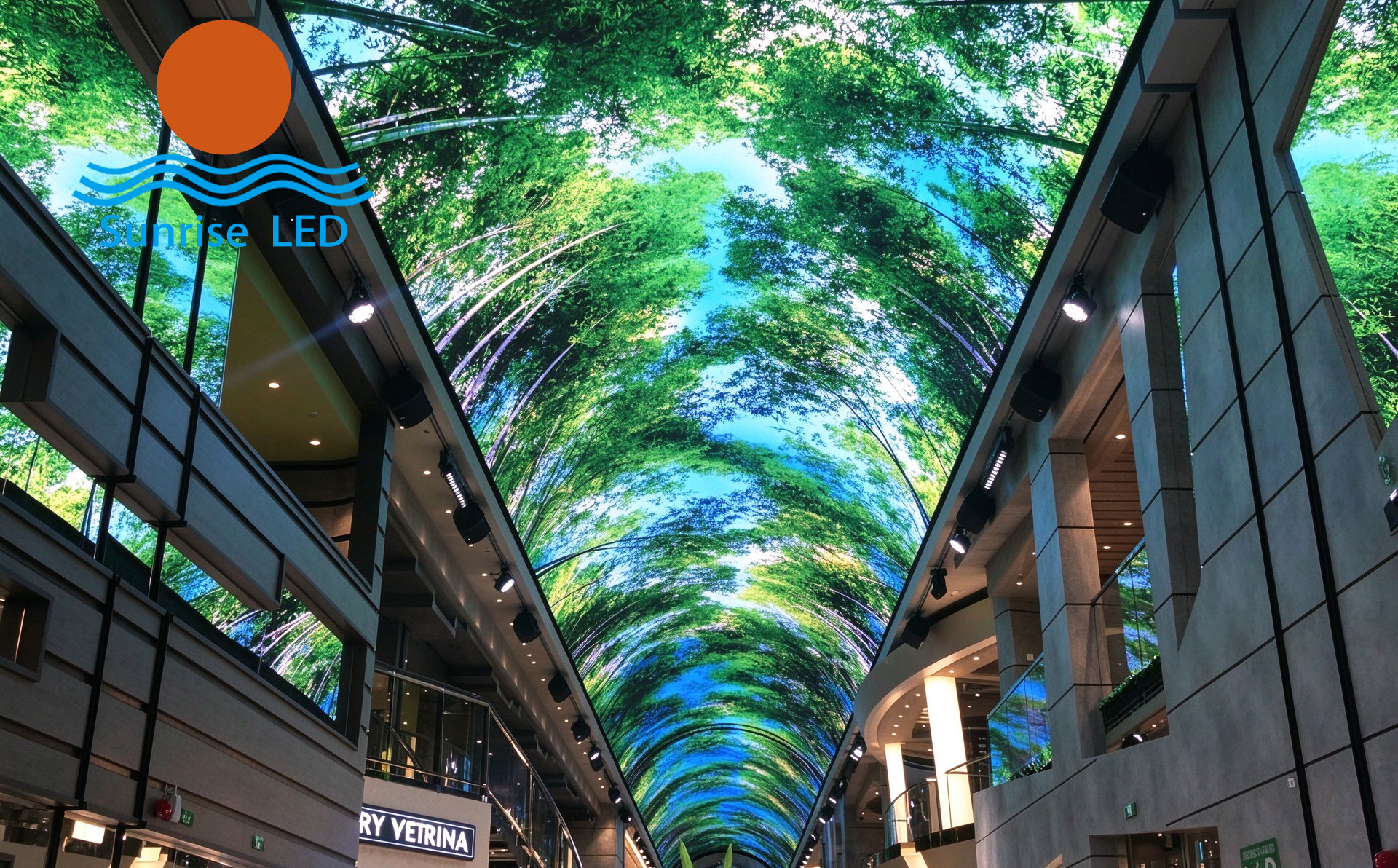
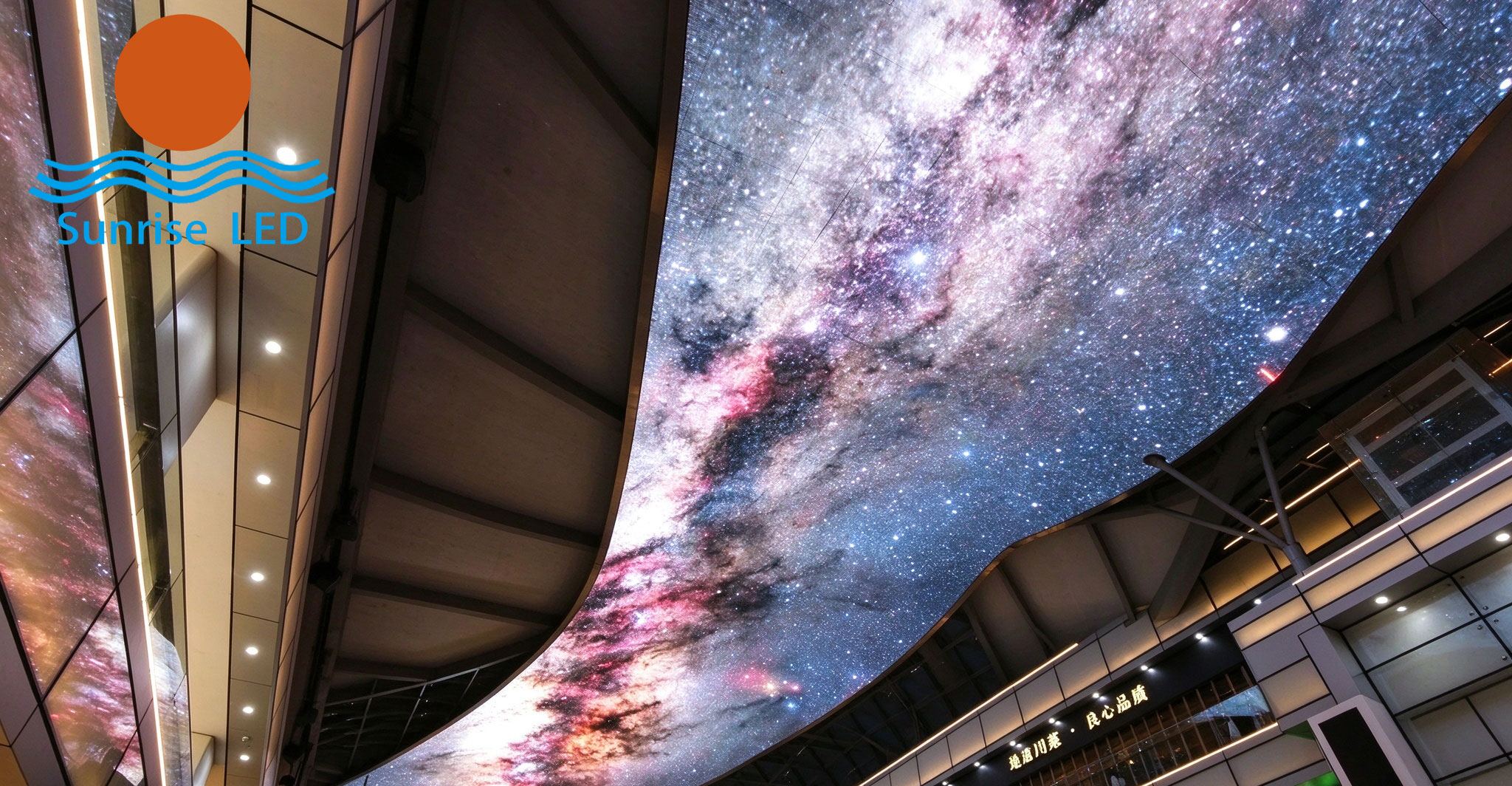
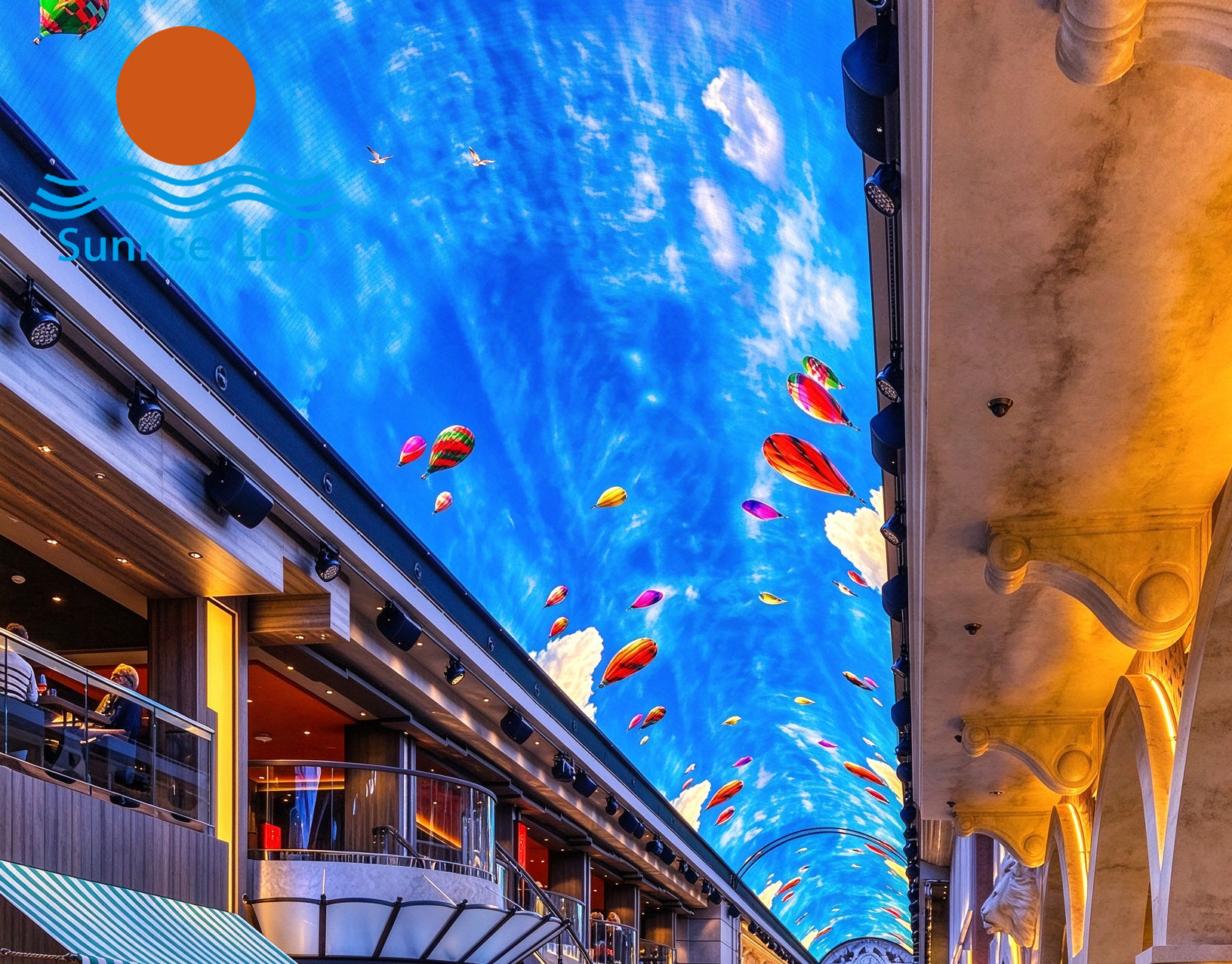
  • Installing an LED canopy screen involves much more than simply "hanging up" the display. It is a precise systems engineering task that encompasses structural safety, long-term stability, and visual performance. The core challenge lies in addressing the unique requirements posed by high-altitude suspension, massive surface area, and the fact that the screen is viewed from below.
  • 1. Structural Safety
 
  • Suspension points must be anchored to the building’s primary structural beams or load-bearing columns; they must never be attached to ceiling joists, decorative finishes, or utility supports.
 
  • Conduct load calculations prior to installation and distribute suspension points strategically. Use a safety factor of at least 2.5 for suspension points, and ensure that embedded components and expansion bolts are rated for 3–5 times the actual load.
 
  • Prioritize lightweight, high-transparency screen panels to reduce both dead weight and wind resistance.
  • 2. Waterproofing and Drainage
 
  • Screen panels and modules should have an ingress protection (IP) rating of IP65 or higher.
 
  • All panel seams, power connectors, and signal interfaces must be rigorously sealed against water, utilizing specialized waterproof gaskets or connectors.
 
  • Adopt a "prevention-plus-drainage" structural approach: incorporate drainage holes at the bottom, potentially with a 5°–10° incline to facilitate water runoff. Ensure the lowest point of the frame is at least 30cm above the ground to prevent water accumulation or backflow.
 
  • 3. Heat Dissipation and Ventilation
 
  • Maintain a ventilation gap of at least 30cm between the back of the screen and the building structure.
 
  • If necessary, install axial-flow fans for active heat extraction, aiming to keep the internal temperature of the screen assembly between -10°C and 40°C.
 
  • Select screen panels designed with integrated thermal airflow channels to prevent heat from accumulating at the top, which can accelerate LED degradation and lead to pixel failure.
 
  • 4. Splicing Precision and Flatness
 
  • Ensure uniform seams, with a standard tolerance of ≤0.5mm; high-end projects may require a tolerance of ±0.1mm or less.
 
  • Individual cabinets should have a surface flatness of ≤0.2mm and a diagonal deviation of ≤0.3mm, with the overall installation tolerance controlled within ±2mm. Use laser line levels and total stations for calibration; after installation, perform uniformity correction for brightness and chromaticity across the entire screen.
  • 5. Electrical Safety, Lightning Protection, and Grounding
 
  • All metal components, power supply enclosures, and cabinets must be reliably grounded. The grounding resistance should typically be ≤4Ω, with a stricter requirement of ≤3Ω for high-standard projects.
 
  • Install surge protective devices (SPDs) within power distribution boxes. Signal and power cables should be routed through metal conduits or waterproof sleeves, with proper shielding and grounding.
 
  • Route high-voltage and low-voltage cables in separate conduits; for long-distance signal transmission, fiber optics are recommended. Distributed power supply systems may be used, and for critical projects, an uninterruptible power supply (UPS) should be included.
 
  • 6. Maintenance Accessibility and Viewing Experience
 
  • Prioritize the use of front-maintenance cabinets or incorporate a lifting/hoisting maintenance system to reduce the costs associated with high-altitude repairs.
 
  • Outdoor canopy (overhead) LED screens typically require a brightness of 5000–8000 nits; ideally, they should support automatic brightness adjustment based on ambient light. Use LED components with wide viewing angles.
 
  • Ensure the pixel pitch is matched to the viewing distance. For installations 8–15 meters above the ground with a viewing distance of 5–20 meters, pixel pitches ranging from P4 to P8 are common.
 
  • In summary, the installation of canopy LED screens must be carried out by an experienced and qualified team. The contract should clearly define requirements for structural integrity, waterproofing, heat dissipation, seamless splicing, electrical systems, and acceptance criteria.
   

Technology | analysis of naked eye 3D display technology

At present, the naked eye 3D large screen market is hot, and 3D technology is also known as 3D di...
Do you like ?3,324 views

Read more

Sunrise’s p2.604 curved LED display lights up under the Eiffel Tower

Sunrise’s p2.604 curved LED display lights up under the Eiffel Tower     Sunri...
Do you like ?2,168 views

Read more

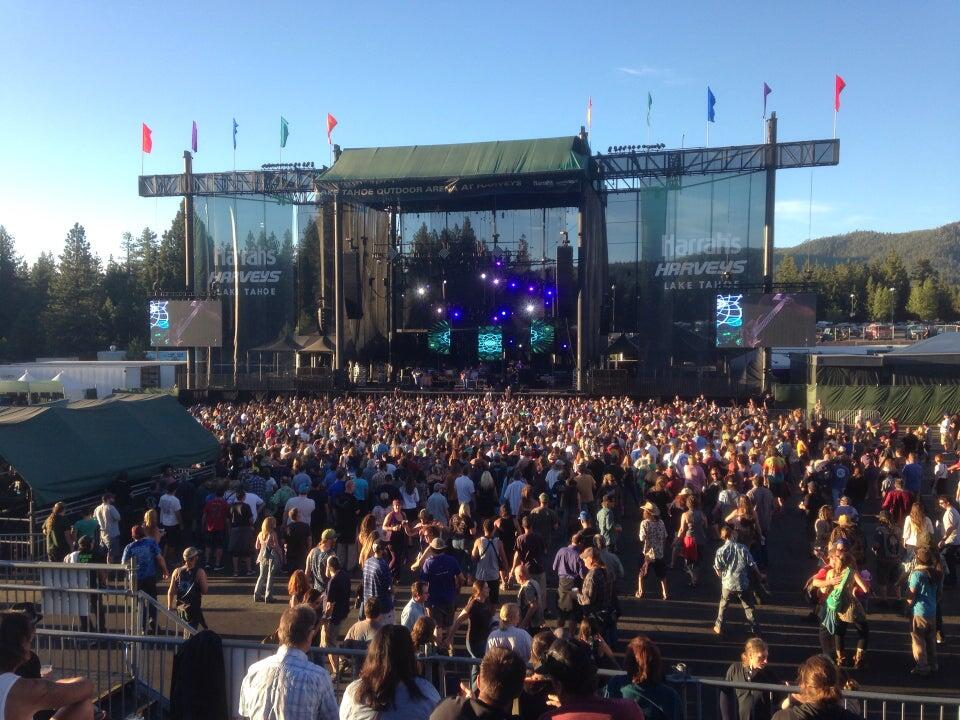
Sunrise LED Rocky Rental Series led display for concert

Concert activities are popular in the United States, and sunrise’s products have been wide...
Do you like ?2,838 views

Read more

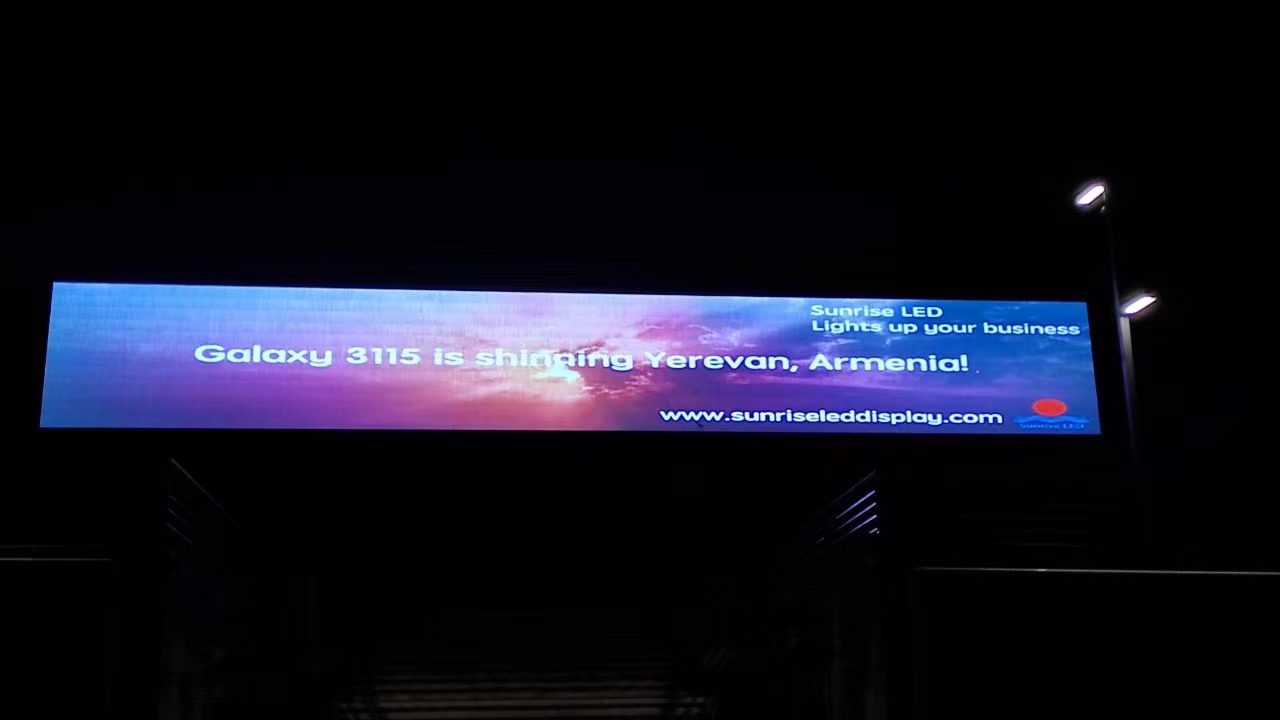
Sunrise 264 square meters Galaxy 3115 series mesh led facade in Armenia

  Sunrise 264 square meters Galaxy 3115 series mesh led facade in Armenia     Sun...
Do you like ?2,123 views

Read more

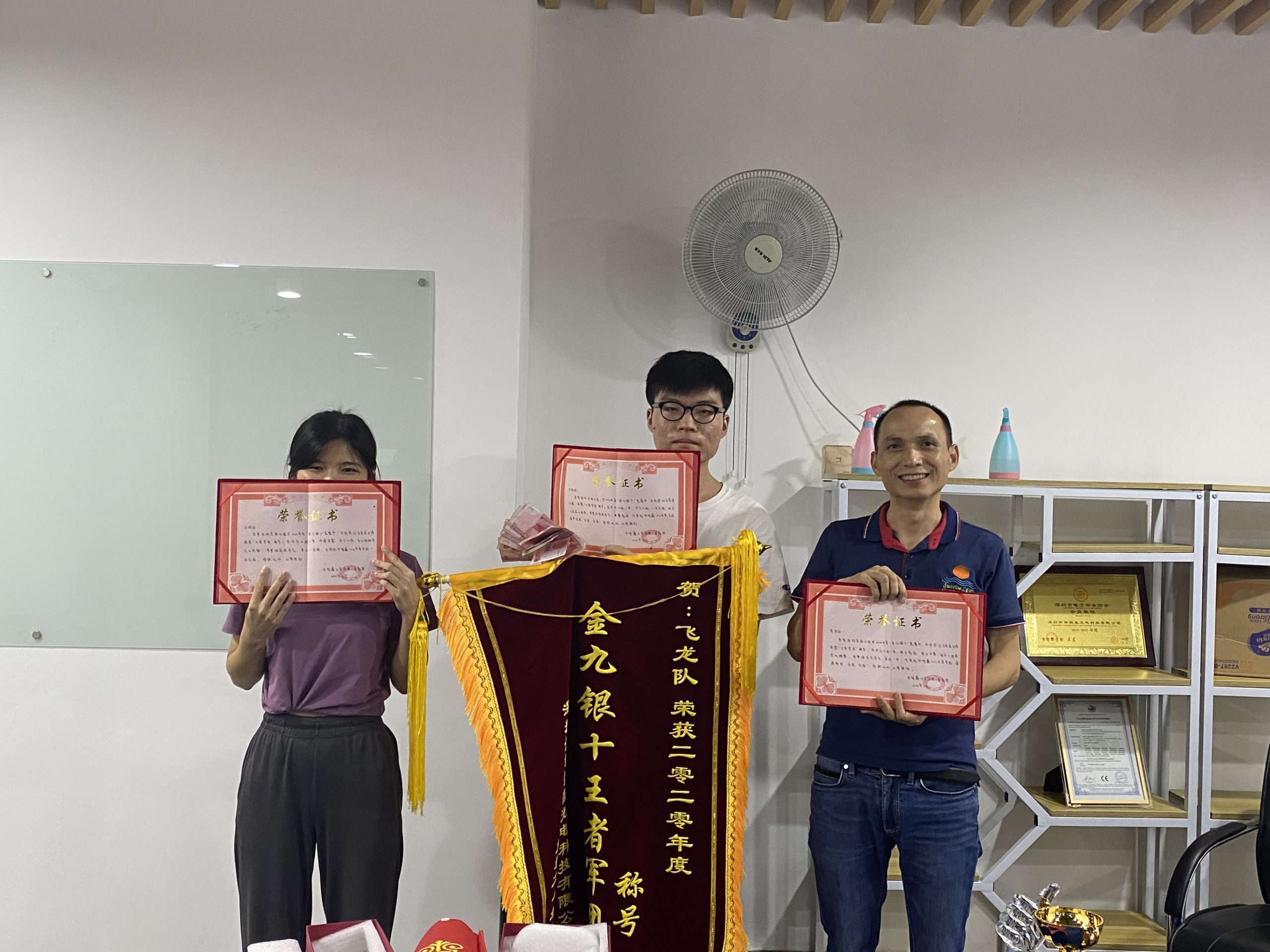
Sunrise led presents awards to excellent salesmen!

Doris, as a new salesman, won three orders in two months. It’s great.   Jack, the bu...
Do you like ?1,972 views

Read more

Our new product, led grow light, PPE reaches 2.6umol/j

640w and 800W full spectrum led grow light   It can be folded for convenient transportatio...
Do you like ?2,211 views

Read more

The latest project, Saudi Arabia LED MESH FACADE

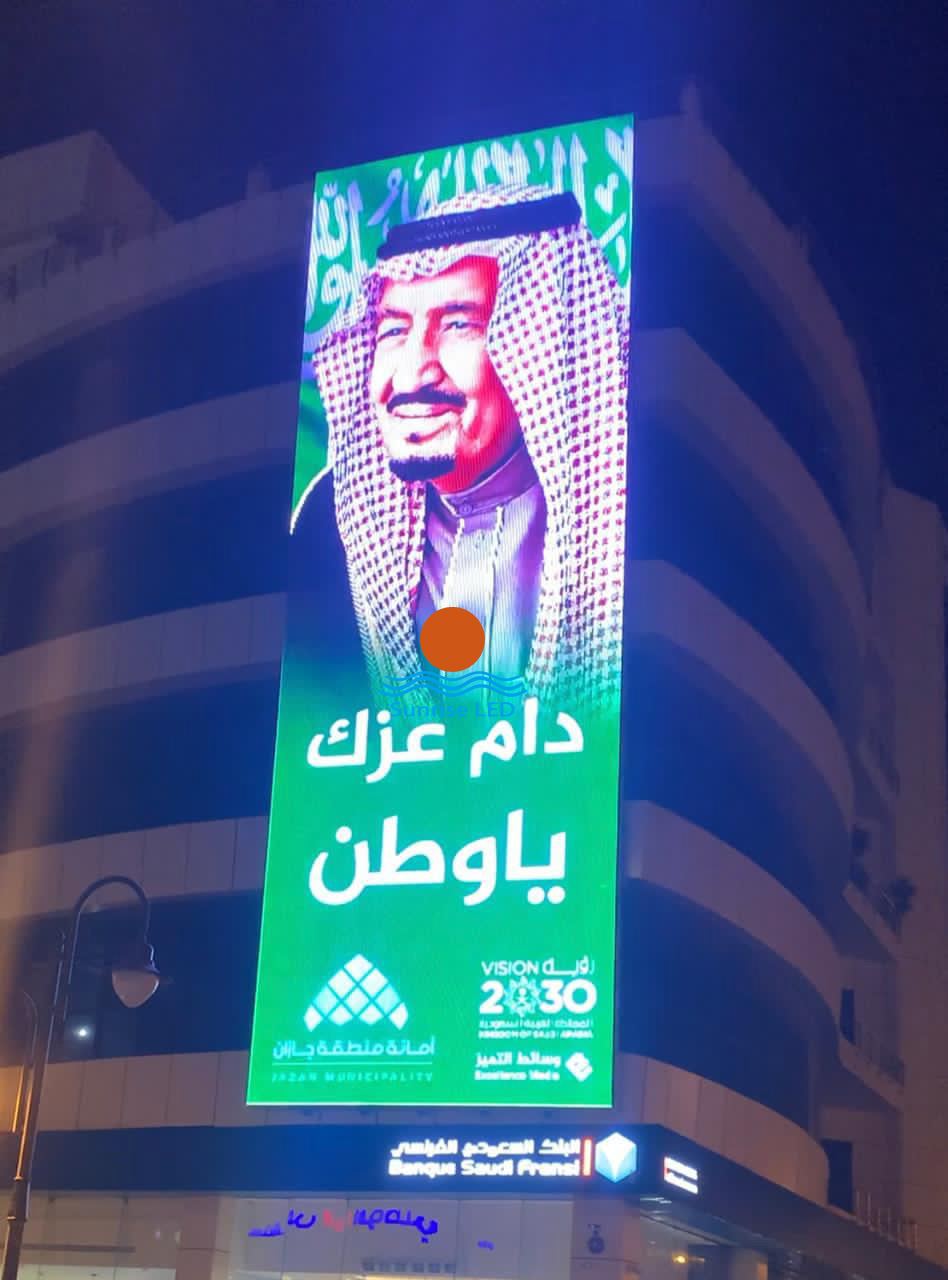
The latest project, Saudi Arabia LED MESH FACADE. Ultra-high brightness, ultra-light LED display ...

Do you like ?2,753 views

Read more