9 views admin 2025-12-05
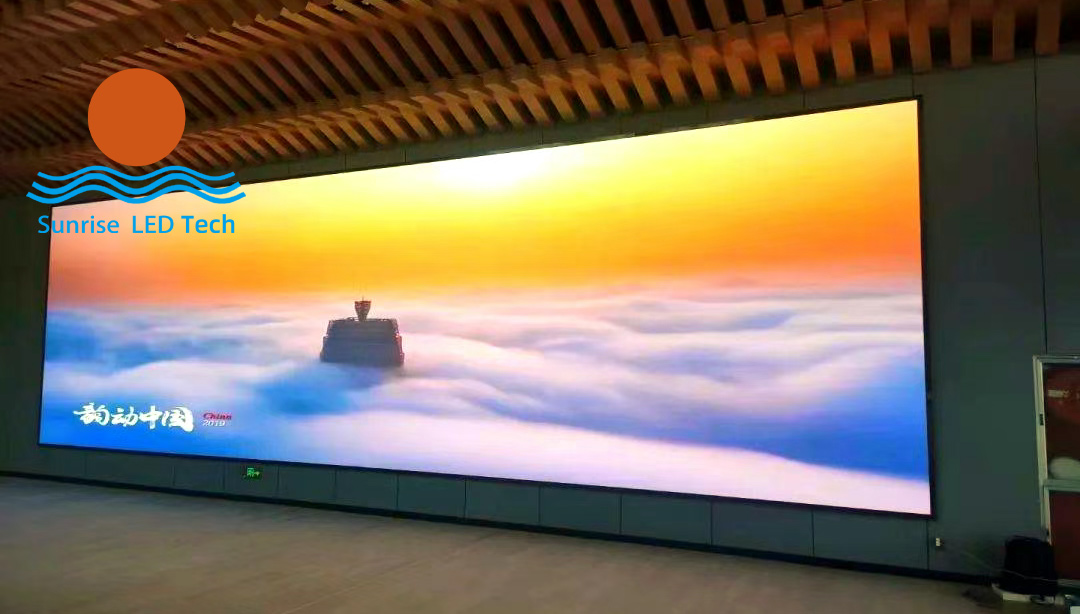 Classification of LED Display Screens
LED display screens can be meticulously classified according to different standards. The following are several common classification methods:
By Color
Monochrome Display Screen: Such as red, white, or green LED electronic display screens, usually used to display simple text or patterns.
Dual-Color Display Screen: Such as red-green dual-primary-color display screens, which can display red, green, and mixed yellow.
Full-Color Display Screen: With red, green, and blue three primary colors and 256 levels of grayscale, it can present more than 160,000 colors, close to computer display effects.
By Display Effect
Monochrome Display Screen: Presents content in a single color.
Dual-Primary-Color Display Screen: Combines two colors to show more visual effects.
Full-Color Display Screen: Can simulate all colors of a computer, bringing delicate and vivid images to the audience.
By Usage Environment
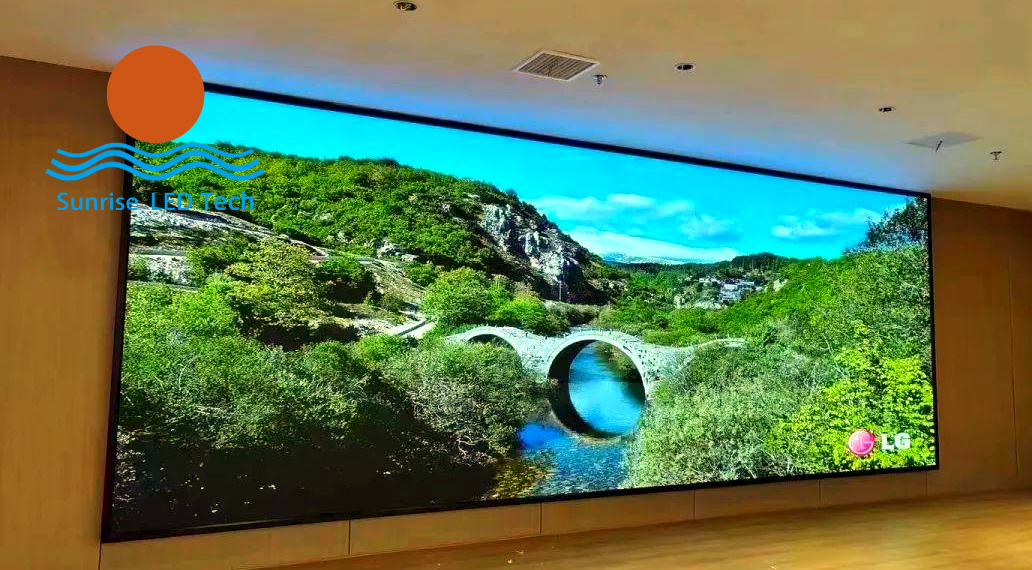
Indoor LED Display Screen: Suitable for enclosed spaces.
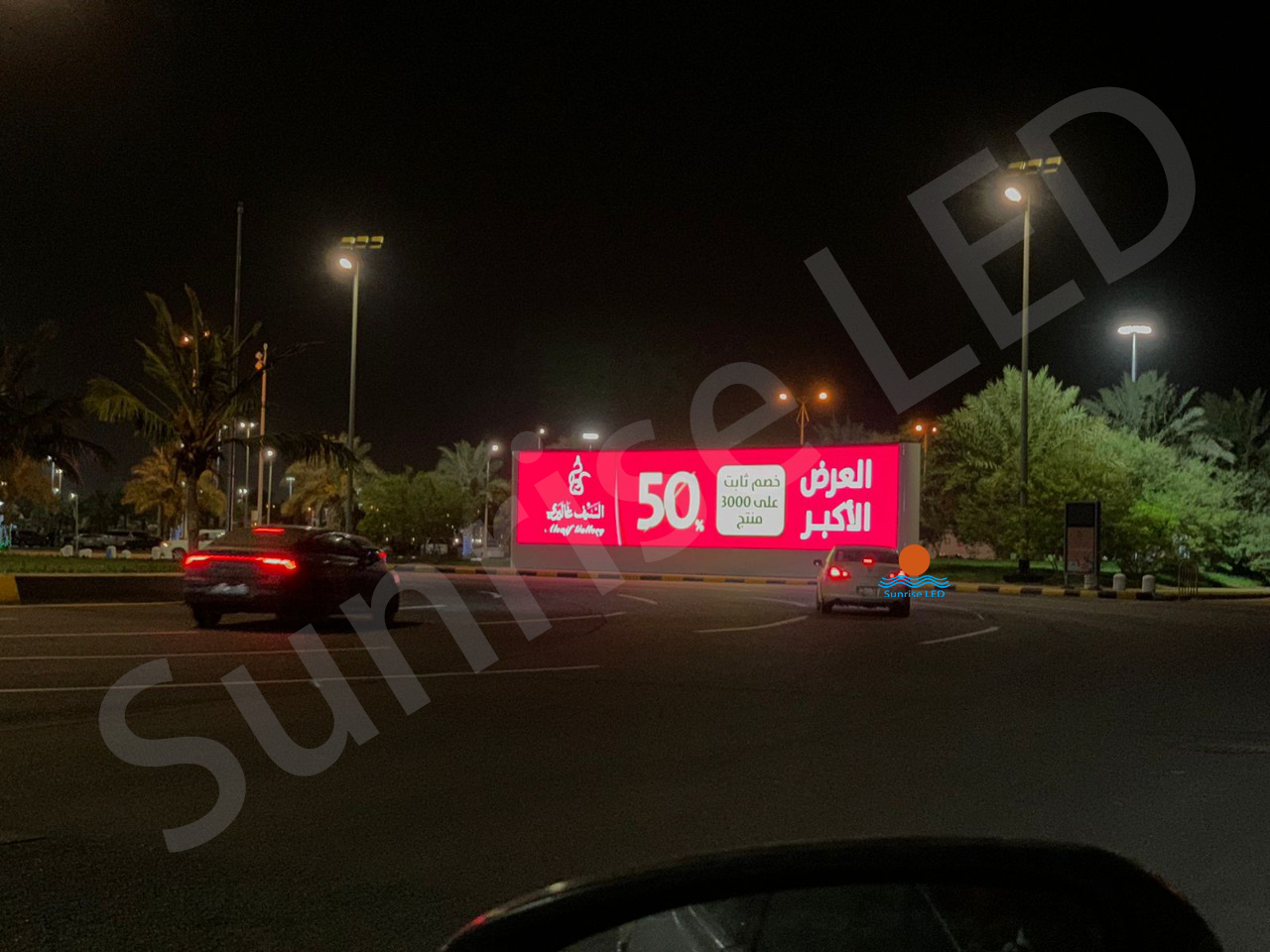
Outdoor LED Display Screen: Needs to have waterproof, dustproof, and other characteristics to cope with various harsh weather and natural environments.
By Display Area/Pixel Pitch
Small-Pitch LED Display Screen: Suitable for small-area displays.
Large-Pitch Display Screen: Suitable for large-area displays.
By Special Functional Requirements
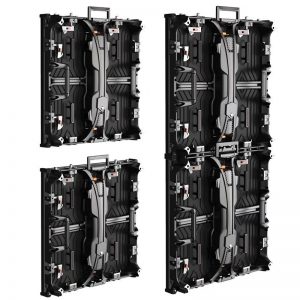
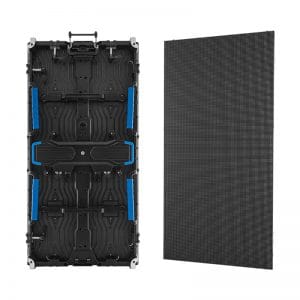
LED display screens can also be divided into rental screens, small-pitch screens, transparent screens, creative screens, and fixed-installation screens, etc., each with unique features to meet the needs of different customers.
Pixel Pitch of LED Display Screens
The pixel pitch of an LED display screen is one of the key factors affecting its display effect. The smaller the pixel pitch, the more delicate and clear the displayed image, making it suitable for indoor high-definition displays and close-up viewing occasions. Common pixel pitch standards include P1 (1mm), P2 (2mm), etc. Among them:
P1: Suitable for indoor high-definition displays, with extremely high pixel density and delicate image effects.
P2.5: With a pixel pitch of 2.5mm (note: original text had a typo "25mm"), it is very suitable for close-up viewing, providing high resolution and delicate images, often used in indoor environments.
P5: With a pixel pitch of 5mm, it is also suitable for close-up viewing and requires good display effects, ideal for indoor use.
P8: An 8mm pixel pitch makes it suitable for both close-up and medium-distance viewing, providing high resolution and clarity, applicable to indoor and outdoor semi-shaded occasions.
P2: A 2mm pixel pitch makes it an ideal choice for indoor venues such as shopping malls and hotels, enabling high-definition effects.
P3: A 3mm pixel pitch is widely used in indoor venues and shopping malls, with good display effects and affordable prices.
P4: A 4mm pixel pitch is suitable for indoor and semi-outdoor environments such as commercial advertisements and stations, providing excellent visual effects and image delicacy.
P5: A 5mm pixel pitch is also applicable to indoor and semi-outdoor environments such as shopping malls and stadiums, featuring high brightness and a wide viewing angle.
P6 and Above: A pixel pitch of 6mm or more is suitable for various complex indoor and outdoor environments, with excellent protection performance and durability.
Application Scenarios of LED Display Screens
LED display screens are widely used in various fields:
Commercial Advertising: Utilize high brightness and vivid colors to attract audiences.
Cultural and Entertainment Activities: Such as stage backdrops and concerts, creating unique visual effects.
Stadiums and Gymnasiums: Provide game information and wonderful replays to enhance the viewing experience.
Transportation Sector: Such as stations and airports, providing real-time traffic information and advertising.
News and Information/Financial Industry: Widely used to provide public information and financial services.
Government Agencies: Play an important role in releasing government announcements, policies, and regulations, thereby improving the transparency and credibility of government work.
Education Industry: Extensively used in schools, training institutions, and other educational venues for teaching demonstrations, exam monitoring, and information release, greatly improving the quality and efficiency of education and teaching.
Development Trends of LED Display Screens
The development trends of LED display screens can be summarized in the following aspects:
-
High Resolution and Full Colorization: With continuous technological progress, the resolution of LED display screens is increasing, and color performance is becoming more abundant. In the future, we expect to see LED display screens with higher pixel density and wider color gamut coverage, bringing audiences a more delicate and realistic visual feast.
Intelligence and Interactivity: LED display screens are developing towards intelligence and interactivity. By integrating technologies such as built-in sensors, cameras, and communication modules, LED display screens can interact with audiences, enhancing their sense of participation and experience, and making information dissemination more vivid and interesting.
Energy Conservation and Environmental Protection: The energy-saving and environmentally friendly characteristics of LED display screens will become more prominent in the future. Through technical means such as adopting high-efficiency LED chips and optimizing power supply design, the energy efficiency of LED display screens will be further improved, and their environmental performance will also be enhanced, contributing to the cause of green environmental protection.
Thinness and Foldability: To meet the application needs of different occasions, LED display screens are developing towards thinness and foldability. This design not only facilitates installation and transportation but also improves the flexibility and adaptability of LED display screens, enabling them to achieve the best results in various environments.
IoT Integration: With the continuous development of IoT (Internet of Things) technology, LED display screens will realize interconnection with other devices, forming an intelligent IoT system. This will further enhance the functional efficiency of LED display screens in information release, data collection, and automatic control.
VR/AR Technology Integration: The rise of VR (Virtual Reality) and AR (Augmented Reality) technologies will bring new development opportunities for LED display screens. By combining with these technologies, LED display screens will be able to present more immersive virtual scenes and augmented reality effects, bringing audiences an unprecedented visual experience.
Large-Screen and(Tiling): To meet the growing demand for large screens, LED display screens are developing towards larger sizes. Meanwhile, multi-screen combination and tiling through splicing technology are used to meet the application scenarios of different occasions and needs.
These trends jointly promote the wide application of LED display screens in more fields, making them one of the key technologies for information display in the future.
Installation Key Points of LED Display Screens
When installing an LED display screen, a series of key points must be followed to ensure its safe and stable operation:
1. Determine Screen Specifications and Location: Based on the size and structure of the room, determine the appropriate size, installation position, and direction of the screen. This is an indispensable step before installation.
2. Select the Right Installation Surface: It can be a wall, ceiling, or floor. Different installation methods and techniques are required for different installation surfaces.
3. Outdoor-Specific Considerations: For outdoor LED display screens, multiple factors such as waterproofing, dustproofing, high-temperature resistance, and circuit short-circuit prevention must be considered to ensure safe and reliable operation in harsh environments.
4. Waterproofing and Drainage: Ensure the joint between the display frame and the building is tightly waterproof, and the screen itself has effective drainage measures to allow smooth drainage in case of water accumulation.
5. Power and Control Card Installation: Be extra careful with the positive and negative poles of the power supply, and it is recommended to use SVV2*0 flexible core wires. When connecting flat cables and upper/lower power cables, strictly follow the requirements of design drawings and technical data.
6. Screen Splicing: Although common profiles on the market are square and circular, their assembly methods are basically the same. When placing unit boards on a fixed panel, pay attention to the front and back of the rack and the precise position of the back strip. After installation, fix the unit boards through the suction force between magnets and the back strip.
7. Wiring Connections: Connecting flat cables, upper/lower power cables, and the console to the unit board flat cables are indispensable steps.
Common Installation Methods
Hoisting Installation: Suitable for large LED display screens or occasions requiring height adjustment. The display screen is hoisted on the ceiling to ensure stability and easy adjustment.
Column Installation: Often used in roads, parking lots, and other occasions. The LED display screen is installed on columns for easy viewing by passers-by.
Roof-Top Installation: Suitable for large LED display screens or occasions requiring long-distance viewing. The display screen is installed on the roof of a building to ensure the best visual effect.
When selecting an installation method, comprehensively consider factors such as the size, weight, and structural characteristics of the display screen, as well as the load-bearing capacity and space size of the installation location, to ensure the safety and stability of the installation. Meanwhile, for common faults that may occur in LED display screens, such as no display, insufficient brightness, and incorrect colors, it is necessary to master corresponding troubleshooting and repair methods to ensure the continuous and stable operation of the display screen.
Classification of LED Display Screens
LED display screens can be meticulously classified according to different standards. The following are several common classification methods:
By Color
Monochrome Display Screen: Such as red, white, or green LED electronic display screens, usually used to display simple text or patterns.
Dual-Color Display Screen: Such as red-green dual-primary-color display screens, which can display red, green, and mixed yellow.
Full-Color Display Screen: With red, green, and blue three primary colors and 256 levels of grayscale, it can present more than 160,000 colors, close to computer display effects.
By Display Effect
Monochrome Display Screen: Presents content in a single color.
Dual-Primary-Color Display Screen: Combines two colors to show more visual effects.
Full-Color Display Screen: Can simulate all colors of a computer, bringing delicate and vivid images to the audience.
By Usage Environment
Indoor LED Display Screen: Suitable for enclosed spaces.
Outdoor LED Display Screen: Needs to have waterproof, dustproof, and other characteristics to cope with various harsh weather and natural environments.
By Display Area/Pixel Pitch
Small-Pitch LED Display Screen: Suitable for small-area displays.
Large-Pitch Display Screen: Suitable for large-area displays.
By Special Functional Requirements
LED display screens can also be divided into rental screens, small-pitch screens, transparent screens, creative screens, and fixed-installation screens, etc., each with unique features to meet the needs of different customers.
Pixel Pitch of LED Display Screens
The pixel pitch of an LED display screen is one of the key factors affecting its display effect. The smaller the pixel pitch, the more delicate and clear the displayed image, making it suitable for indoor high-definition displays and close-up viewing occasions. Common pixel pitch standards include P1 (1mm), P2 (2mm), etc. Among them:
P1: Suitable for indoor high-definition displays, with extremely high pixel density and delicate image effects.
P2.5: With a pixel pitch of 2.5mm (note: original text had a typo "25mm"), it is very suitable for close-up viewing, providing high resolution and delicate images, often used in indoor environments.
P5: With a pixel pitch of 5mm, it is also suitable for close-up viewing and requires good display effects, ideal for indoor use.
P8: An 8mm pixel pitch makes it suitable for both close-up and medium-distance viewing, providing high resolution and clarity, applicable to indoor and outdoor semi-shaded occasions.
P2: A 2mm pixel pitch makes it an ideal choice for indoor venues such as shopping malls and hotels, enabling high-definition effects.
P3: A 3mm pixel pitch is widely used in indoor venues and shopping malls, with good display effects and affordable prices.
P4: A 4mm pixel pitch is suitable for indoor and semi-outdoor environments such as commercial advertisements and stations, providing excellent visual effects and image delicacy.
P5: A 5mm pixel pitch is also applicable to indoor and semi-outdoor environments such as shopping malls and stadiums, featuring high brightness and a wide viewing angle.
P6 and Above: A pixel pitch of 6mm or more is suitable for various complex indoor and outdoor environments, with excellent protection performance and durability.
Application Scenarios of LED Display Screens
LED display screens are widely used in various fields:
Commercial Advertising: Utilize high brightness and vivid colors to attract audiences.
Cultural and Entertainment Activities: Such as stage backdrops and concerts, creating unique visual effects.
Stadiums and Gymnasiums: Provide game information and wonderful replays to enhance the viewing experience.
Transportation Sector: Such as stations and airports, providing real-time traffic information and advertising.
News and Information/Financial Industry: Widely used to provide public information and financial services.
Government Agencies: Play an important role in releasing government announcements, policies, and regulations, thereby improving the transparency and credibility of government work.
Education Industry: Extensively used in schools, training institutions, and other educational venues for teaching demonstrations, exam monitoring, and information release, greatly improving the quality and efficiency of education and teaching.
Development Trends of LED Display Screens
The development trends of LED display screens can be summarized in the following aspects:
-
High Resolution and Full Colorization: With continuous technological progress, the resolution of LED display screens is increasing, and color performance is becoming more abundant. In the future, we expect to see LED display screens with higher pixel density and wider color gamut coverage, bringing audiences a more delicate and realistic visual feast.
Intelligence and Interactivity: LED display screens are developing towards intelligence and interactivity. By integrating technologies such as built-in sensors, cameras, and communication modules, LED display screens can interact with audiences, enhancing their sense of participation and experience, and making information dissemination more vivid and interesting.
Energy Conservation and Environmental Protection: The energy-saving and environmentally friendly characteristics of LED display screens will become more prominent in the future. Through technical means such as adopting high-efficiency LED chips and optimizing power supply design, the energy efficiency of LED display screens will be further improved, and their environmental performance will also be enhanced, contributing to the cause of green environmental protection.
Thinness and Foldability: To meet the application needs of different occasions, LED display screens are developing towards thinness and foldability. This design not only facilitates installation and transportation but also improves the flexibility and adaptability of LED display screens, enabling them to achieve the best results in various environments.
IoT Integration: With the continuous development of IoT (Internet of Things) technology, LED display screens will realize interconnection with other devices, forming an intelligent IoT system. This will further enhance the functional efficiency of LED display screens in information release, data collection, and automatic control.
VR/AR Technology Integration: The rise of VR (Virtual Reality) and AR (Augmented Reality) technologies will bring new development opportunities for LED display screens. By combining with these technologies, LED display screens will be able to present more immersive virtual scenes and augmented reality effects, bringing audiences an unprecedented visual experience.
Large-Screen and(Tiling): To meet the growing demand for large screens, LED display screens are developing towards larger sizes. Meanwhile, multi-screen combination and tiling through splicing technology are used to meet the application scenarios of different occasions and needs.
These trends jointly promote the wide application of LED display screens in more fields, making them one of the key technologies for information display in the future.
Installation Key Points of LED Display Screens
When installing an LED display screen, a series of key points must be followed to ensure its safe and stable operation:
1. Determine Screen Specifications and Location: Based on the size and structure of the room, determine the appropriate size, installation position, and direction of the screen. This is an indispensable step before installation.
2. Select the Right Installation Surface: It can be a wall, ceiling, or floor. Different installation methods and techniques are required for different installation surfaces.
3. Outdoor-Specific Considerations: For outdoor LED display screens, multiple factors such as waterproofing, dustproofing, high-temperature resistance, and circuit short-circuit prevention must be considered to ensure safe and reliable operation in harsh environments.
4. Waterproofing and Drainage: Ensure the joint between the display frame and the building is tightly waterproof, and the screen itself has effective drainage measures to allow smooth drainage in case of water accumulation.
5. Power and Control Card Installation: Be extra careful with the positive and negative poles of the power supply, and it is recommended to use SVV2*0 flexible core wires. When connecting flat cables and upper/lower power cables, strictly follow the requirements of design drawings and technical data.
6. Screen Splicing: Although common profiles on the market are square and circular, their assembly methods are basically the same. When placing unit boards on a fixed panel, pay attention to the front and back of the rack and the precise position of the back strip. After installation, fix the unit boards through the suction force between magnets and the back strip.
7. Wiring Connections: Connecting flat cables, upper/lower power cables, and the console to the unit board flat cables are indispensable steps.
Common Installation Methods
Hoisting Installation: Suitable for large LED display screens or occasions requiring height adjustment. The display screen is hoisted on the ceiling to ensure stability and easy adjustment.
Column Installation: Often used in roads, parking lots, and other occasions. The LED display screen is installed on columns for easy viewing by passers-by.
Roof-Top Installation: Suitable for large LED display screens or occasions requiring long-distance viewing. The display screen is installed on the roof of a building to ensure the best visual effect.
When selecting an installation method, comprehensively consider factors such as the size, weight, and structural characteristics of the display screen, as well as the load-bearing capacity and space size of the installation location, to ensure the safety and stability of the installation. Meanwhile, for common faults that may occur in LED display screens, such as no display, insufficient brightness, and incorrect colors, it is necessary to master corresponding troubleshooting and repair methods to ensure the continuous and stable operation of the display screen.
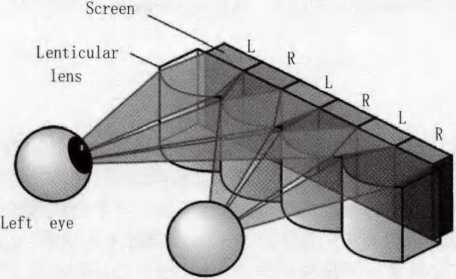
At present, the naked eye 3D large screen market is hot, and 3D technology is also known as 3D di...
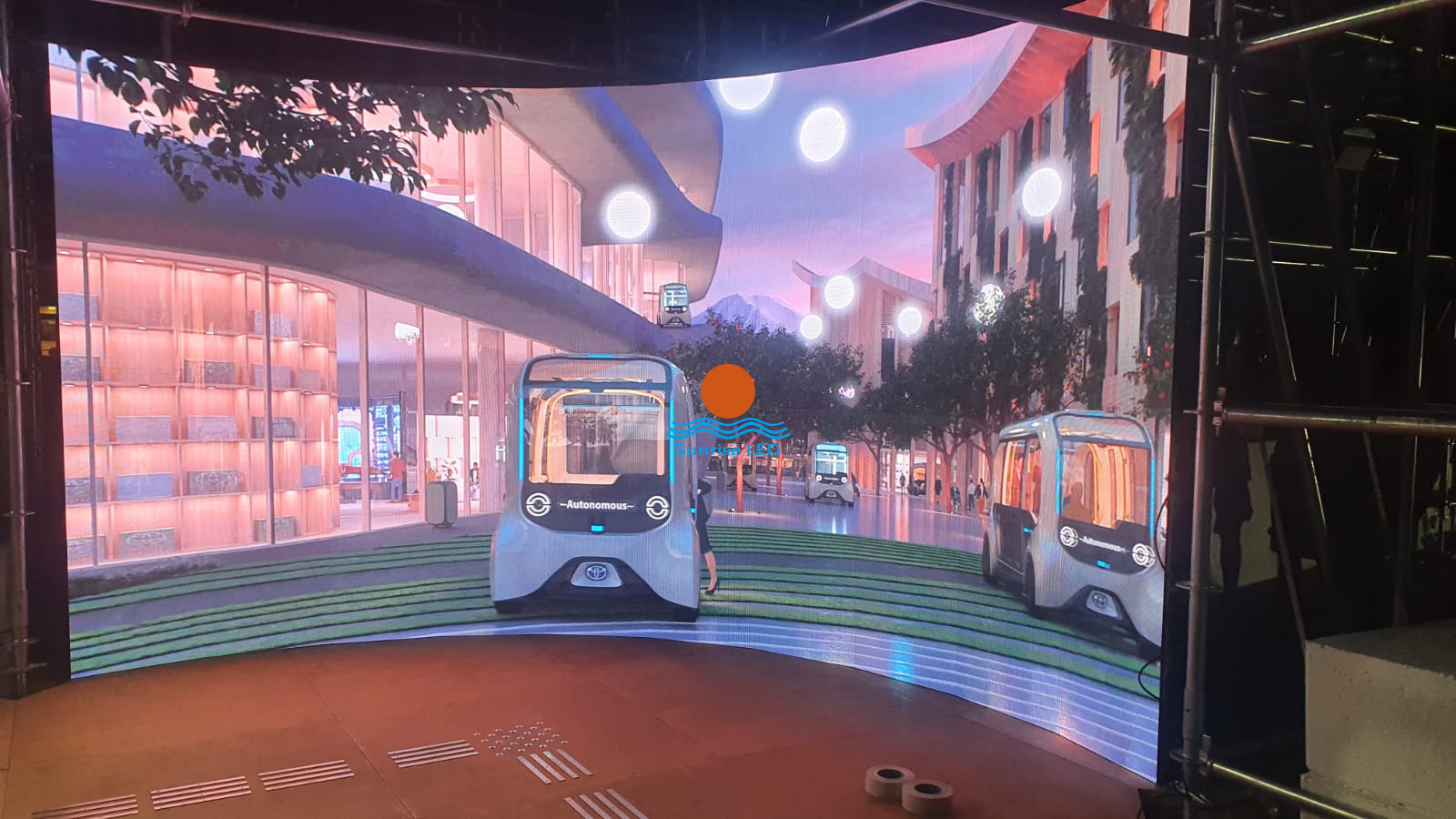
Sunrise’s p2.604 curved LED display lights up under the Eiffel Tower Sunri...
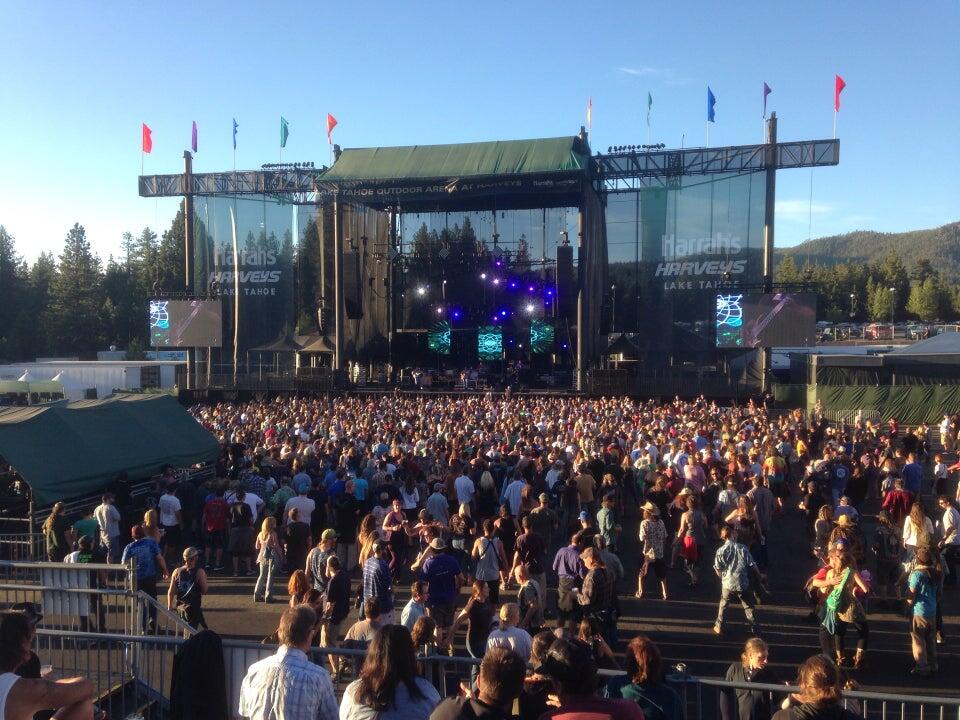
Concert activities are popular in the United States, and sunrise’s products have been wide...
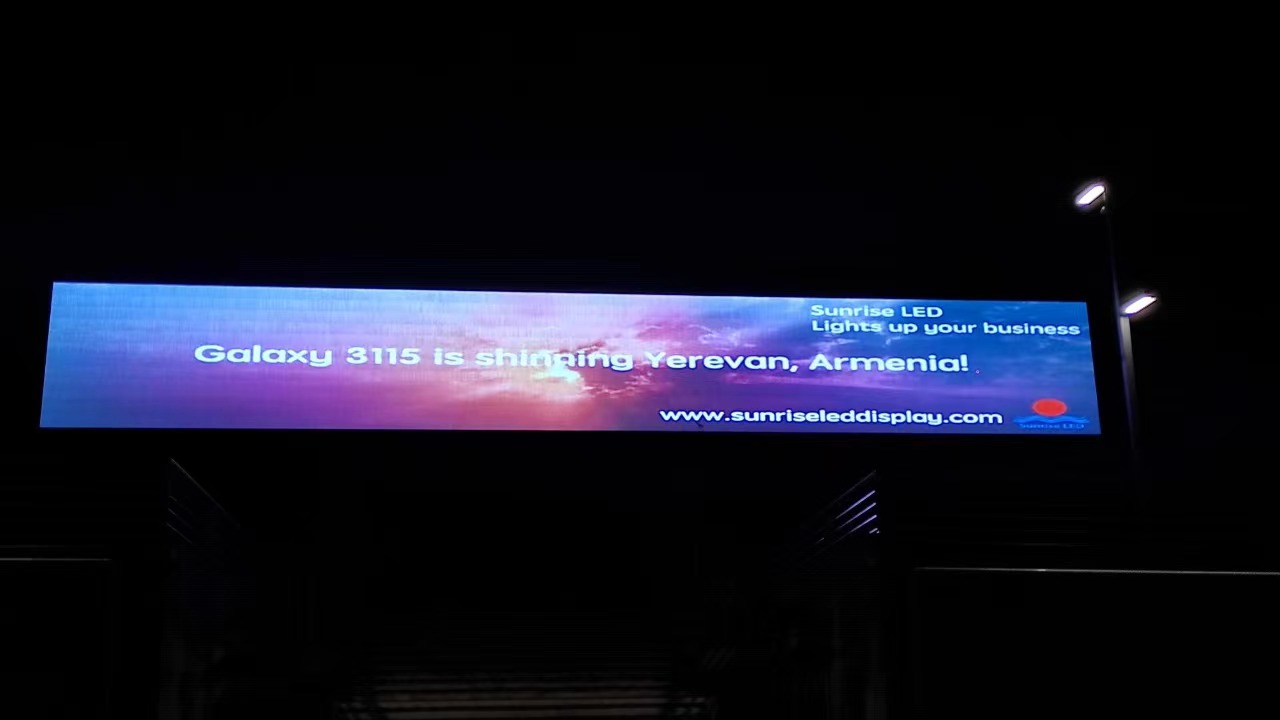
Sunrise 264 square meters Galaxy 3115 series mesh led facade in Armenia Sun...
Doris, as a new salesman, won three orders in two months. It’s great. Jack, the bu...
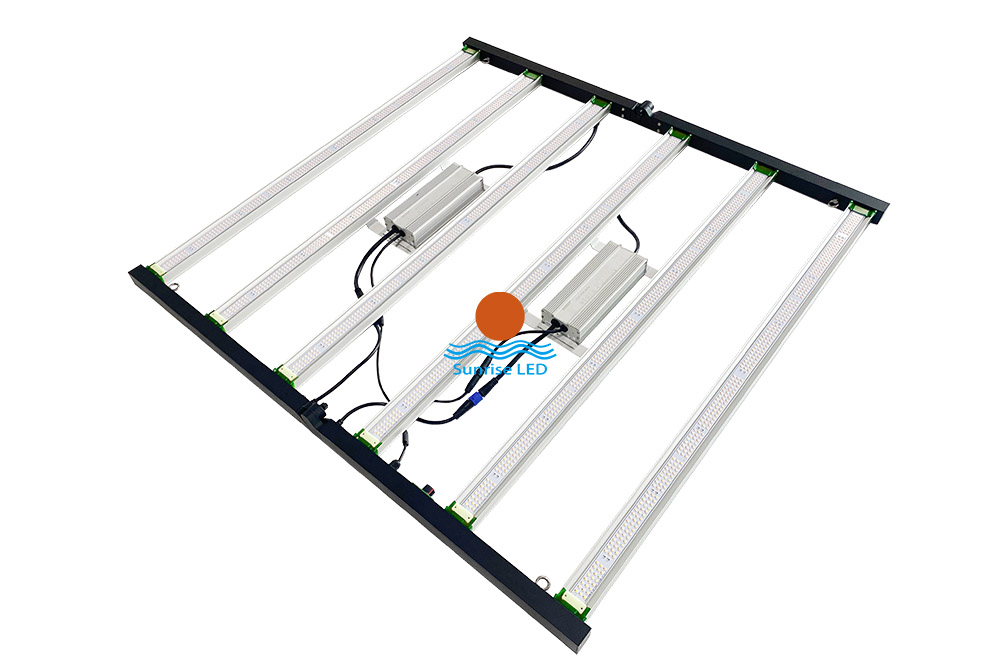
640w and 800W full spectrum led grow light It can be folded for convenient transportatio...
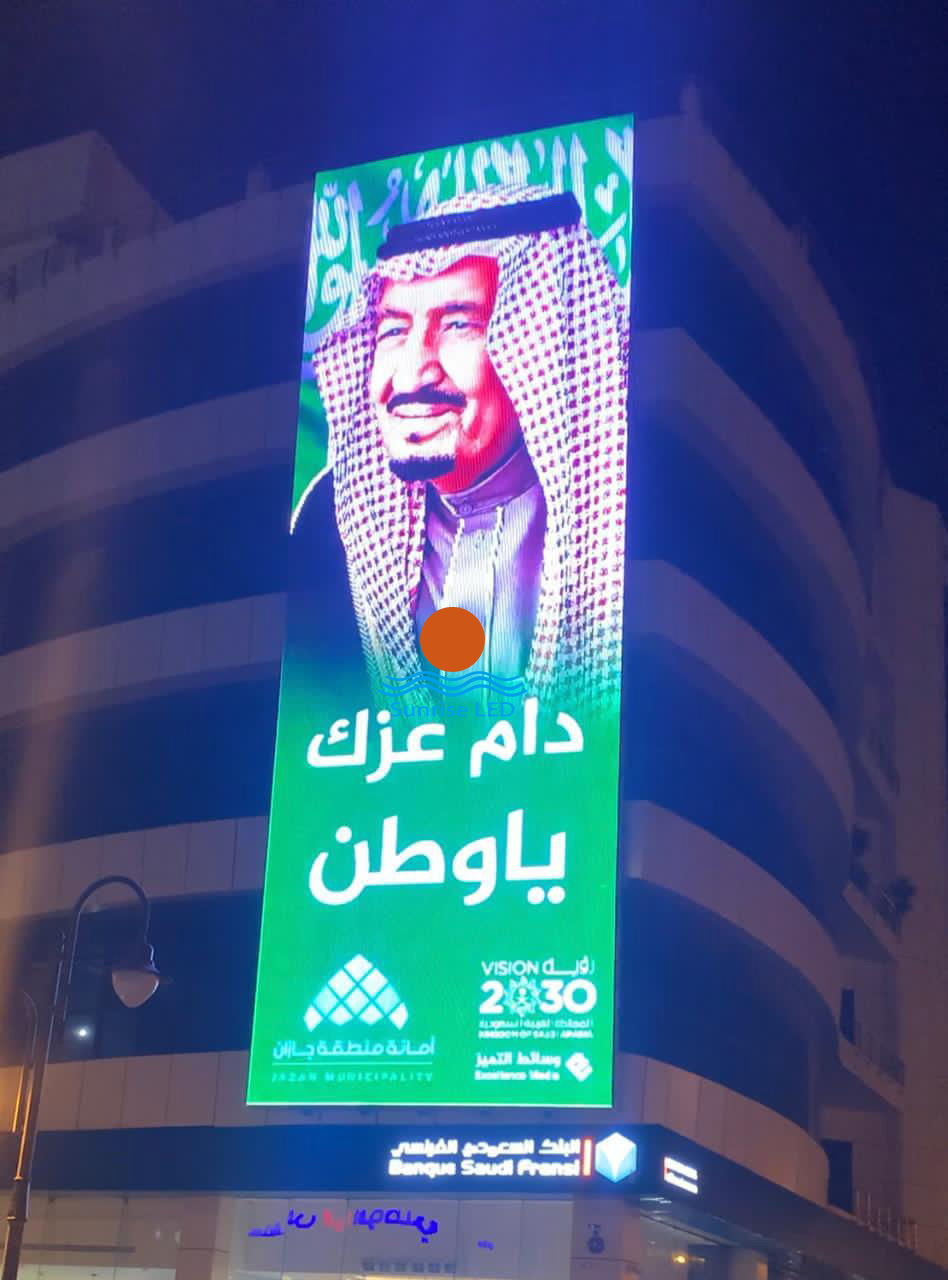
The latest project, Saudi Arabia LED MESH FACADE. Ultra-high brightness, ultra-light LED display ...